
Last updated November 5, 2026
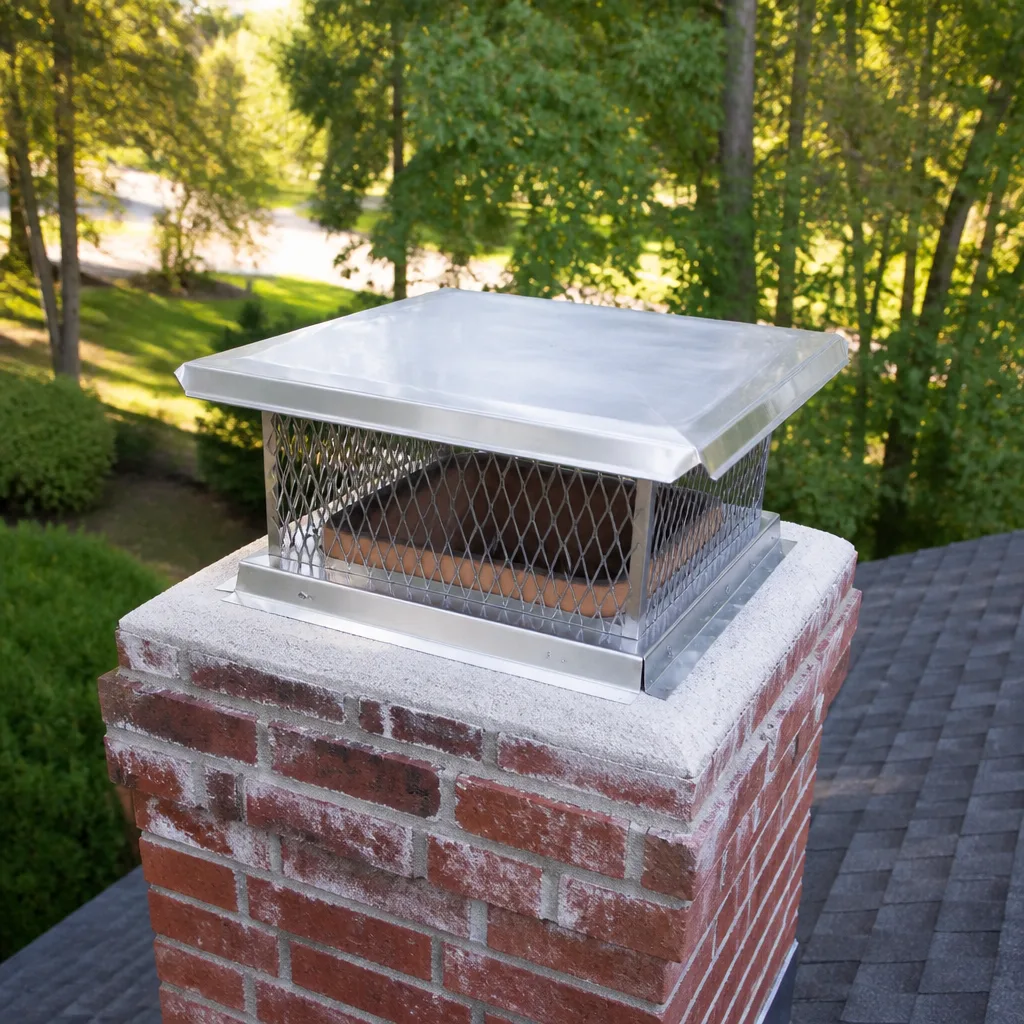 Sweep & inspection
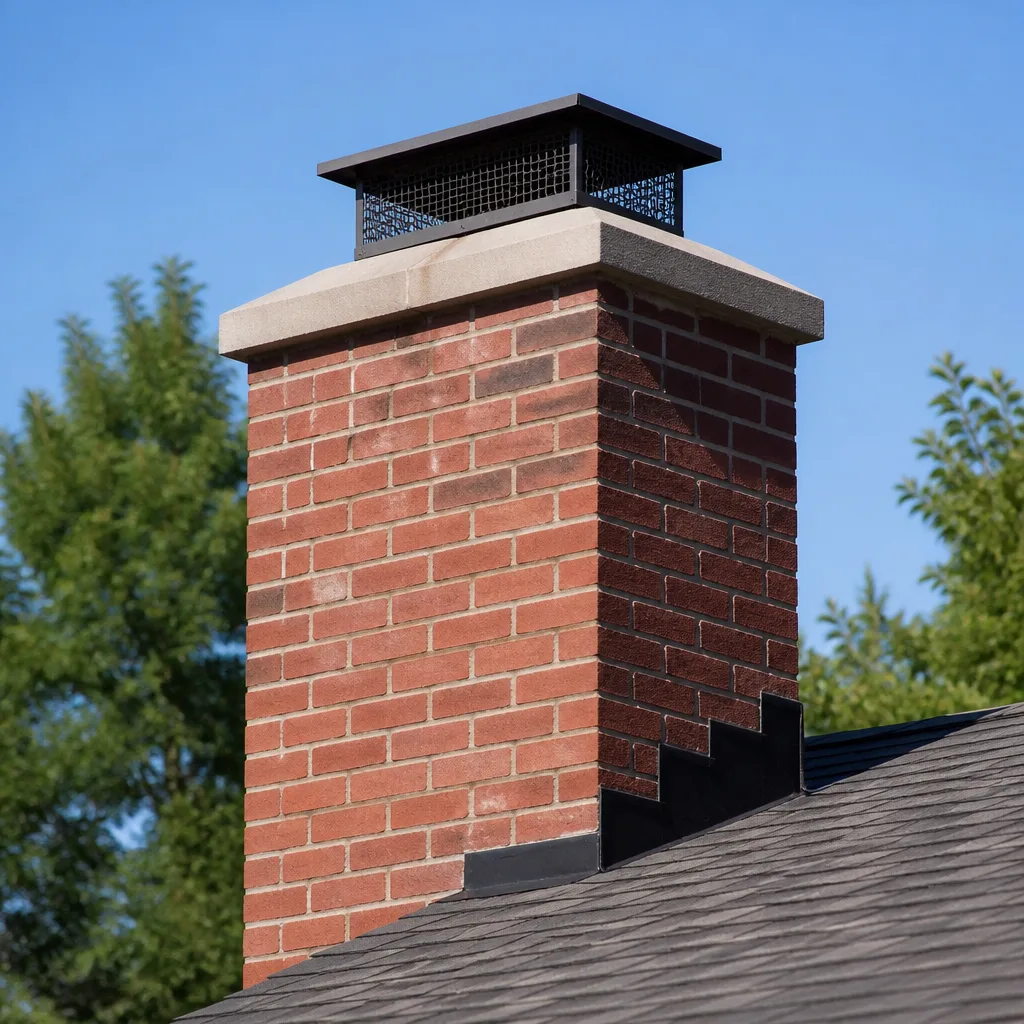 Caps & crowns
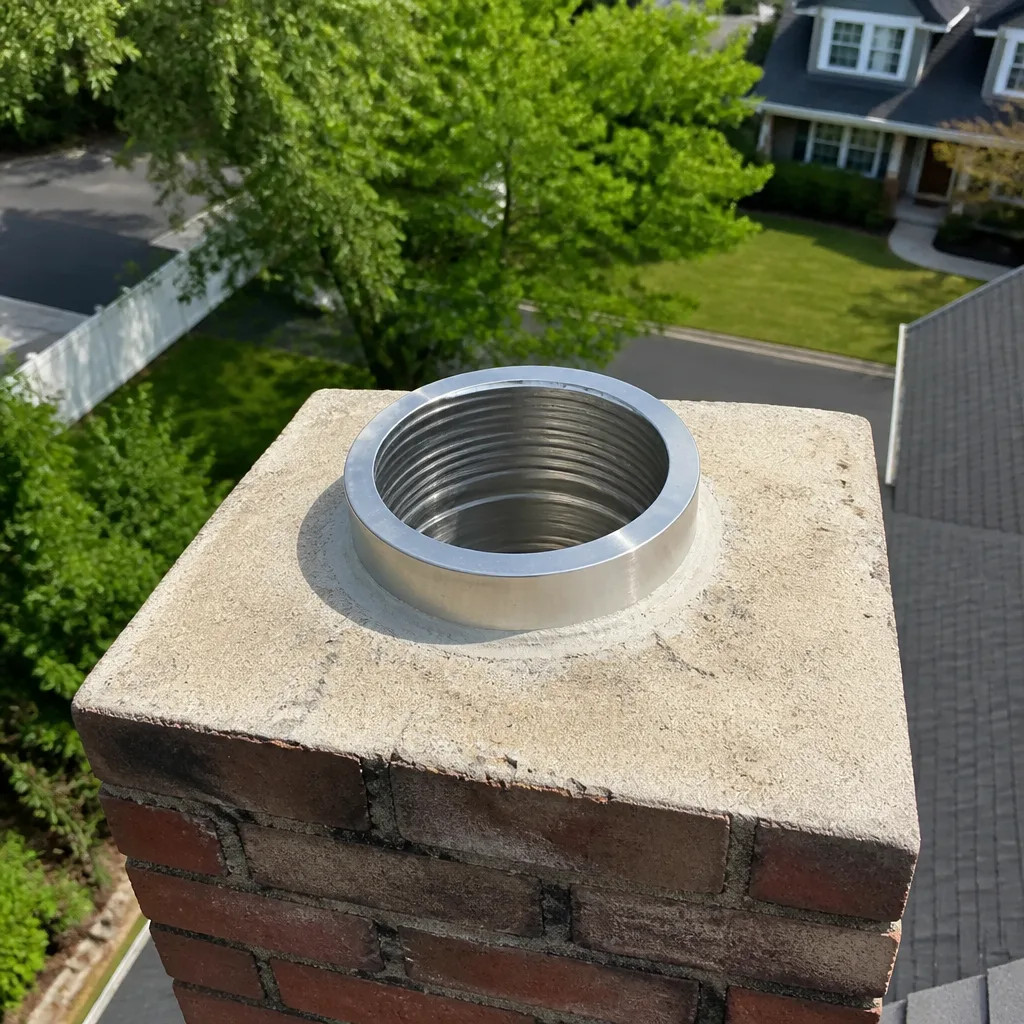 Flue relining
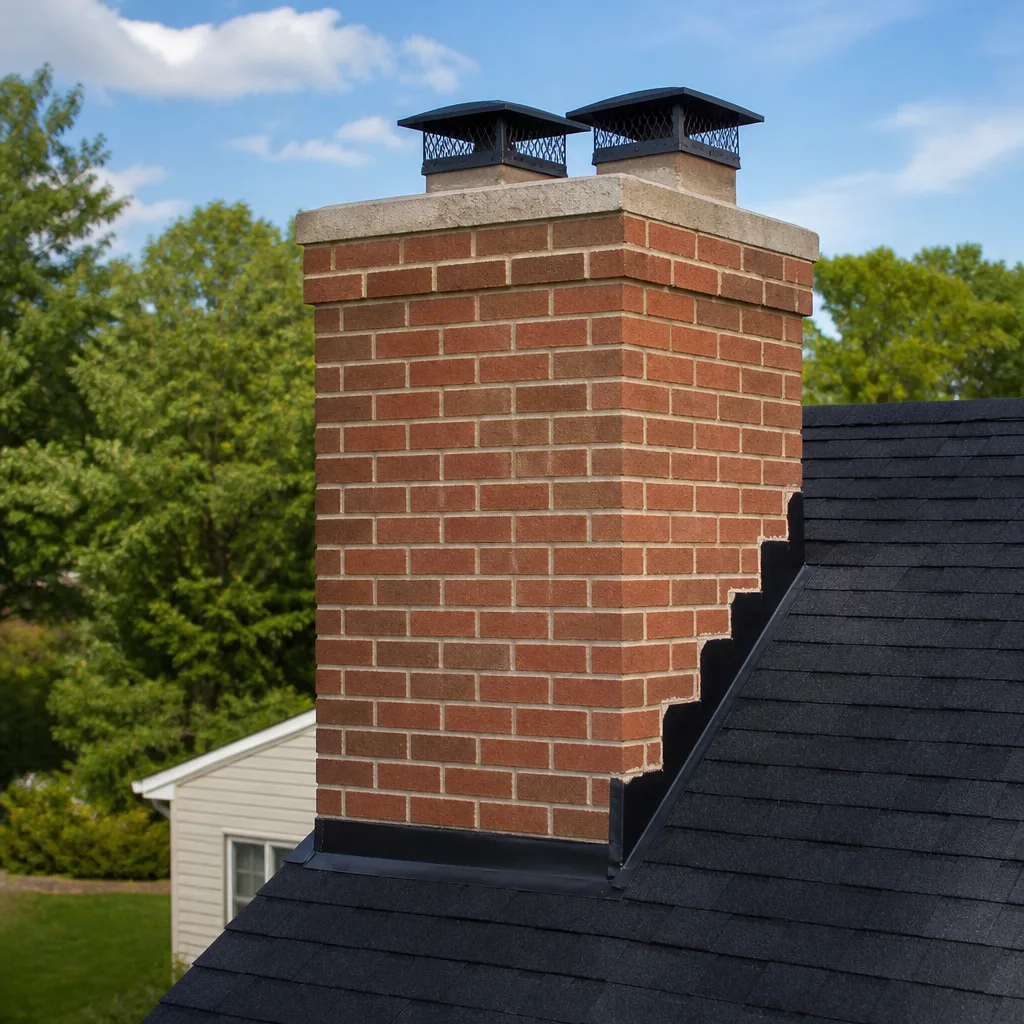 Masonry repair
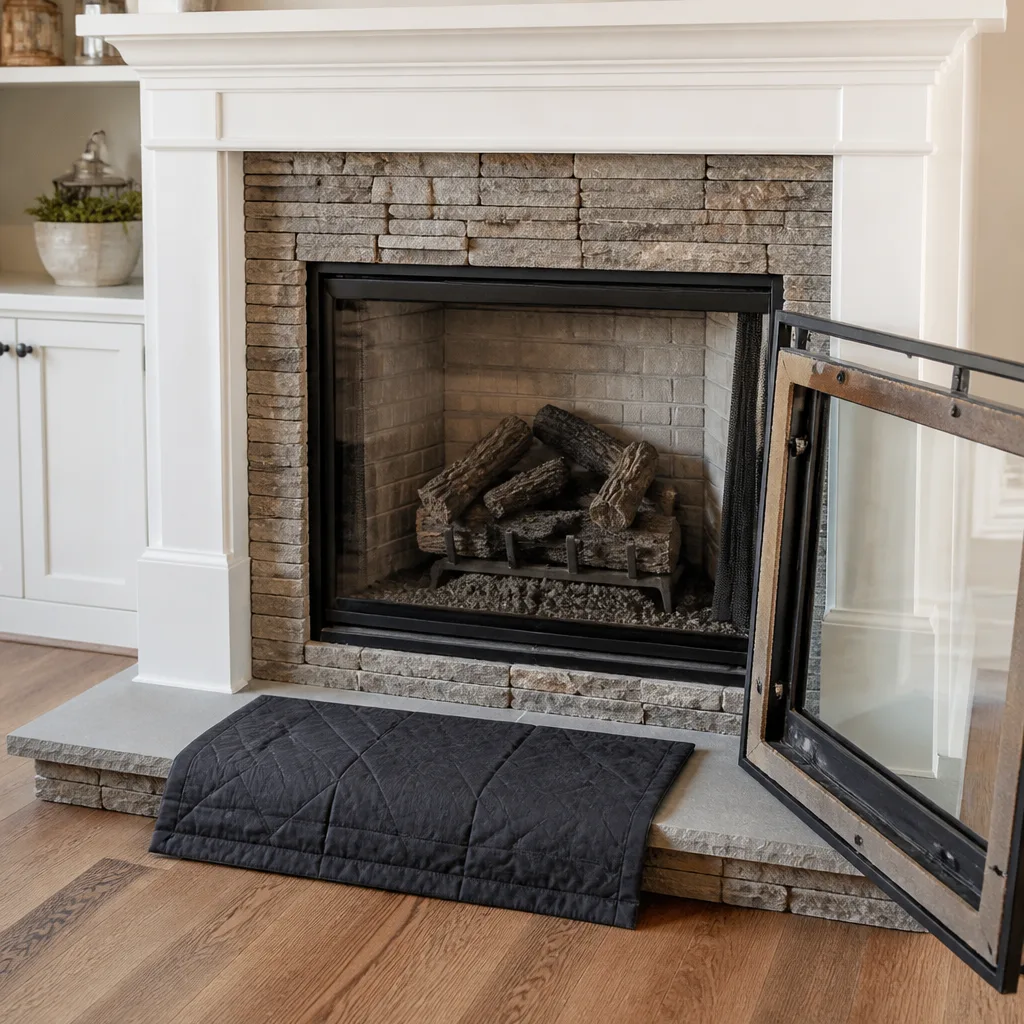 Gas fireplace service
Level 1 sweep and inspection to the NFPA 211 annual standard - flue, crown, cap, and flashing checked and photographed
Chimney sweep logs do not sweep chimneys. They loosen some creosote - which then falls where a brush and vacuum still have to collect it.
Chimney Sweep Troubleshooting in Lake View Terrace: Common Problems and How to Fix Them
If your fireplace smokes into the room only on windy days, the problem almost certainly isn’t creosote. It’s a pressure and air-sealing issue that a sweep alone won’t fix. That distinction matters because most chimney problems in Lake View Terrace get misdiagnosed before anyone even looks at the flue. You call someone, they sweep, the smoke still rolls back into the living room, and you’re left wondering what you paid for. This guide walks through the actual causes behind the symptoms homeowners notice most: smoke backdraft, odors that won’t quit, damp patches, and the stubborn “we just had it swept and it still smokes” scenario. We’ll give you a simple way to read what your chimney is telling you before you pick up the phone, and explain which fixes are straightforward and which need a repair-capable specialist, not just a brush on a rod.
Styles & brands we work with
- Sweep & inspection
- Caps & crowns
- Flue relining
- Masonry repair
- Gas fireplace service
Quick Answer
Most chimney problems homeowners notice in Lake View Terrace are symptoms with specific, diagnosable causes. Smoke coming into the house is usually a draft problem (negative air pressure, a cold flue, or a partial blockage), not a dirty chimney. Odors fall into distinct types – musty, smoky, or sharp and acrid – and each points to a different underlying condition. A visual inspection from the firebox opening can rule out the obvious causes in about ten minutes, and anything structural beyond that should be handled by a chimney company that does repair work, not just sweeping.
Table of Contents
- Why Smoke Comes Back Into the Room
- The Cold Flue Problem in Lake View Terrace
- Reading Chimney Odors: Musty, Smoky, and Acrid
- We Just Had It Swept and It Still Smokes
- A Safe Visual Inspection You Can Do From the Firebox
- When the Flue Itself Is the Problem
- Dryer Vent Symptoms That Mimic Chimney Problems
- Common Mistakes to Avoid
- When to Call a Professional
- Frequently Asked Questions
- The Bottom Line
Why Smoke Comes Back Into the Room
Smoke coming into the house is the most alarming fireplace symptom, and it almost always gets blamed on creosote buildup. In our experience, that’s the wrong starting assumption for most Lake View Terrace homes. Smoke backdraft has three primary causes that look identical from the couch but require completely different fixes: negative air pressure inside the house, a partial or full blockage in the flue, and a flue size mismatch that starves the fire of adequate draw.
Negative Air Pressure vs. Blockage: They Look Identical
Negative air pressure happens when your house is tighter than your fireplace can compensate for. In Lake View Terrace, homes built with modern windows, upgraded weather stripping, and insulated doors create an envelope that doesn’t let enough outside air in. When you light a fire, the chimney needs a steady supply of replacement air. If the house can’t provide it, the flue becomes the easiest intake point, and it pulls smoke down instead of exhausting it up. Running a kitchen exhaust fan, a bathroom fan, or a whole-house fan while the fire burns makes this dramatically worse. The fix is usually an outside air kit installed near the firebox, or cracking a window until the stack warms up, not another sweep.
A blockage behaves the same way from the living room but has a completely different cause. A bird nest, a dead animal, a collapsed section of flue tile, or a heavy creosote accumulation reduces the draft until smoke has nowhere to go but back into the room. The way to tell them apart is timing. Negative air pressure problems are intermittent; they get worse when other fans are running or on windy days. Blockages are consistent; the smoke comes back every time, from the first match. A camera inspection through the flue is the definitive diagnostic, and any chimney company offering chimney sweep service should be able to show you exactly what’s inside rather than just telling you it’s dirty.
Flue Size Mismatch
The third cause gets missed constantly: the flue is simply the wrong size for the fireplace or insert. Older fireplaces in Lake View Terrace were sometimes paired with flues that were too large for the firebox, which cools the smoke too quickly and kills the draft. Or a homeowner installs a modern gas insert into an old wood-burning fireplace, and the original flue is now oversized for the appliance’s exhaust volume. Neither of these problems responds to sweeping. A flue resize or a properly sized liner is the legitimate fix. This is where the difference between a sweep-only company and a repair-capable company shows up. Shield Chimney Cleaning stocks and works with DuraFlex liner systems specifically because resizing a flue means installing a liner, not just cleaning the one that’s there.
The Cold Flue Problem in Lake View Terrace
A cold flue is exactly what it sounds like: the chimney interior has cooled to the point where it won’t generate an upward draft when you light the fire. Warm air rises, and if the column of air inside the flue is cold and heavy, it sits there. The smoke you introduce has nowhere to go but back into the room. This is especially common in Lake View Terrace because our winters are mild and homeowners go weeks or months between fires. The chimney never gets hot enough, often enough, to establish a working draft quickly when you decide to light one.
The fix starts before you light the match. Prime the flue by holding a rolled newspaper toward the open damper for thirty to sixty seconds. You’re warming the air column just enough that smoke will flow up instead of backward. Once the fire catches and burns for ten minutes, the draft becomes self-sustaining. If you’ve primed the flue and the smoke still comes back, the problem isn’t the cold flue. Something else is going on, and you should look at pressure or blockage before scheduling another cleaning.
There’s a long-term improvement for cold-flue problems too: a properly sized liner. A smaller-diameter flue heats up faster because there’s less air volume to warm, which means less smoke in the room on those first ten minutes of every fire. This is one of the least understood benefits of a DuraFlex liner installation, and it’s relevant to a lot of Lake View Terrace homes that sit unused for most of the mild season.
Reading Chimney Odors: Musty, Smoky, and Acrid
Chimney odors are not all the same, and each type points to a different problem. You can diagnose a lot from a chair before anyone arrives.
Musty, damp smell. This is water. Rain is entering the flue or the chimney is absorbing moisture through the masonry. The smell gets stronger on humid days and after rain. The fix is usually a properly fitted chimney cap, crown repair, or waterproofing, not a sweep. Left alone, the moisture that creates the musty smell is the same moisture that degrades flue tiles and mortar joints over years.
BBQ or campfire smoke smell. This is creosote off-gassing, and it happens when the flue has a creosote accumulation and the air pressure in the house reverses slightly, pulling chimney air down instead of letting it rise. It’s most noticeable during the shoulder seasons in Lake View Terrace, when the fireplace isn’t running but the temperature difference between indoors and outdoors creates a reverse draft. A sweep is the right response here, but if the smell returns a month after cleaning, the flue may have rough, porous walls that hold creosote even after brushing. That’s a condition that HeatShield resurfacing addresses specifically.
Sharp, acrid, chemical smell. This is the one that needs attention soonest. An acrid odor that doesn’t match campfire smoke or dampness can indicate deteriorating flue liner materials or the off-gassing of combustion byproducts that aren’t venting cleanly. It’s less common, and it should prompt an immediate camera inspection rather than a guess. If we can see the flue interior and show you what’s producing the smell, you can make a decision based on evidence instead of fear.
We Just Had It Swept and It Still Smokes
This is the scenario we hear most often, and the frustration is completely fair. You paid for a cleaning, the fireplace still smokes, and now you’re wondering if the first company did anything at all. The answer is usually yes, they did sweep it, and the smoke was never coming from the creosote they removed.
The most common explanations after a recent sweep:
- The real problem is negative air pressure. The sweep removed creosote, but the house still can’t supply replacement air. The smoke comes back on the next fire regardless.
- The flue is oversized for the fireplace. Cleaning an oversized flue doesn’t change its size. The draft problem is structural, not cleanliness-based.
- A blockage above the swept area was missed. If the sweep used a brush without a camera inspection afterward, a partial obstruction at the top of the flue or a damaged section of tile above the damper can go unnoticed.
- The damper is partially stuck or misaligned. A damper that opens only halfway restricts draft regardless of how clean the flue is below it.
- The flue has cracks or gaps that break the draft. Smoke cools and stalls when it hits a compromised section of the flue.
The takeaway is this: a sweep addresses creosote. If the smoke was never a creosote problem, the sweep won’t fix it no matter how thorough it is. Any company that tells you a sweep will definitely solve smoke backdraft without first doing a camera inspection is guessing. We won’t recommend a repair without showing you the camera footage, and we won’t let you pay for a second sweep if the first one wasn’t the issue. That’s the difference between troubleshooting and checklist cleaning.
A Safe Visual Inspection You Can Do From the Firebox
Before you call anyone, there are a few things you can check from the firebox opening that cost nothing and take about ten minutes. This won’t replace a professional camera inspection, but it will tell you whether the problem is obvious or whether you need someone with equipment.
- Shine a bright flashlight up the flue with the damper fully open. You’re looking for a clear, straight path upward. If you can see light at the top of the flue, the path is not fully blocked. If you see an obstruction, stop and call a professional before using the fireplace again.
- Tap the damper handle and watch its movement. It should open and close smoothly with no grinding or resistance. A damper that moves stiffly or doesn’t seat properly when closed is a draft leak waiting to happen.
- Look at the firebox walls and floor. Cracked firebrick, gaps in the mortar, or pieces of brick sitting loose on the floor indicate heat damage that can worsen quickly once fires resume.
- Check for visible moisture stains on the firebox walls. Dark streaks or white mineral deposits mean water is entering from above. That’s a cap or crown issue, not a creosote issue.
- Sniff the firebox on a day the fireplace hasn’t been used. Identify the odor type. Musty means moisture. Smoky means creosote accumulation. Acrid means you need a camera inspection soon.
- Note whether the smoke problem happens only when other fans are running. This test costs nothing. Next fire, run the kitchen exhaust fan and see if the smoke gets worse. If it does, you’ve confirmed negative air pressure as a contributor.
None of these steps require going onto the roof, reaching into the flue, or lighting a test fire with the damper closed. We never recommend a homeowner attempt any repair inside the flue or from the rooftop. The goal here is diagnosis, not DIY repair. In Lake View Terrace, where many homes have stucco exteriors and varying roof pitches, rooftop inspection work is best left to someone who carries proper fall protection and knows what they’re looking at from above.
When the Flue Itself Is the Problem
Some chimney problems are not resolvable by cleaning, period. If the flue has cracks, gaps, missing tiles, or has deteriorated to the point where combustion gases are leaking into the wall cavity, the only legitimate fix is a resurfacing or a new liner. This is where the scope of what a chimney company can actually do becomes the whole conversation.
A cracked flue is not a cosmetic issue. It allows heat, smoke, and carbon monoxide to move through gaps that should be sealed. It also lets creosote accumulate in places a brush can’t reach, creating a fire hazard that a sweep can’t eliminate. The fix for a damaged flue is either a HeatShield ceramic resurfacing, which restores the interior surface of the existing flue, or a full liner installation using a DuraFlex flexible liner system. The choice depends on the condition of the existing flue, its size, and the appliance you’re venting.
HeatShield is a product designed specifically for flue restoration, and it’s a different approach from patching cracks with mortar and hoping the damage holds. It’s applied to the flue interior with specialized equipment and restores a smooth, insulated surface that drafts properly and seals the gaps that were allowing gas transfer. When the flue is too far gone for resurfacing, or when the fireplace or insert needs a smaller or larger diameter than the original flue provides, a new liner is the answer. We carry DuraFlex liners specifically because they’re a professional-grade product, not a generic off-the-shelf substitute. A flue is not the place to save money on materials.
What this means for a Lake View Terrace homeowner is straightforward: if the problem is structural, a sweep can’t fix it. And if a chimney company can’t show you the inside of your flue on camera and explain why resurfacing or relining is necessary, you’re not getting troubleshooting; you’re getting a guess. We show the footage, we explain the options, and if the existing flue is safe and functional, we’ll say that too.
Dryer Vent Symptoms That Mimic Chimney Problems
Sometimes what looks like a fireplace problem is actually a dryer vent problem, and the symptoms overlap more than homeowners expect. A clogged dryer vent can introduce a persistent smoky or musty odor into the laundry room that drifts into living spaces, especially in single-story Lake View Terrace homes where the laundry area is near the main living space.
Dryer vents accumulate lint the same way chimneys accumulate creosote: gradually, invisibly, until the buildup changes how the whole system performs. The symptoms are predictable. Clothes take longer to dry than they used to. The dryer exterior feels hot while it runs. There’s a smell of warm lint in the laundry room. The vent flap outside doesn’t open fully when the dryer is running, or it opens and closes weakly. Each of these is a restriction signal, and a restricted dryer vent is both a fire hazard and a hidden cost in drying time and energy.
Shield Chimney Cleaning handles dryer vent cleaning as part of our core service because lint is a combustion risk the same way creosote is. The full venting picture for a home includes the chimney and the dryer vent, and troubleshooting both together usually solves the odor or draft mystery faster than chasing one system in isolation. A home that smells smoky when the fire hasn’t been lit in three months is often sending a lint signal, not a chimney signal.
Common Mistakes to Avoid
- Assuming smoke always means creosote. It’s the most common assumption and it’s wrong more often than not. Wind sensitivity and pressure reversal cause more Lake View Terrace smoke-backdraft calls than dirty flues do.
- Sweeping without a camera inspection. A brush removes what it can reach. Without a camera follow-up, you don’t know whether the flue is actually clean, whether it’s actually intact, or whether the blockage was fully removed. You paid for an outcome, not a motion.
- Ignoring odors between fires. A smoky smell in July isn’t normal, and it won’t fix itself. It’s a reverse draft moving chimney air into the house, and the cause is worth identifying before the weather turns cold.
- Dismissing a musty smell as harmless. Dampness in a chimney is the early stage of expensive masonry and flue damage. The smell shows up before the cracks do. Fixing water entry at the cap or crown stage is a small job compared to rebuilding a flue.
- Delaying a dryer vent check because the chimney was fine. Lint is odorless until it builds to the point of restriction, and by then it’s also becoming a fire risk. A home venting system works best when the chimney and dryer vent are both clear.
- Choosing a sweep-only company for a structural problem. If the flue is cracked or the liner needs replacement, a sweep won’t address the underlying condition. You need a company that does repair work, not just maintenance.
When to Call a Professional
You should call a chimney professional whenever the problem involves anything beyond a visual inspection from the firebox. That includes persistent smoke backdraft, any odor that lasts more than a few days, visible water stains in the firebox, a blocked flue, a damper that won’t operate, or any suspicion of flue cracks or liner damage. If you’ve had the fireplace swept recently and the problem continues, call a company that can show you the inside of the flue on camera and explain what’s actually happening. You should also call if you haven’t had the chimney inspected in several years and you’re planning to use the fireplace for a full season. Shield Chimney Cleaning offers free estimates in Lake View Terrace. Call (833) 593-4561. We answer 24/7. Fast dispatch from 7am to 7pm, Sunday through Friday.
Frequently Asked Questions
A camera inspection and diagnostic visit in Lake View Terrace typically falls within a few hundred dollars, and final pricing is set by the written estimate before any work begins. The estimate itself is free. Call (833) 593-4561 and we’ll walk through what you’re seeing, then schedule an inspection if it makes sense. We answer 24/7. Fast dispatch from 7am to 7pm, Sunday through Friday.
Wind creates positive pressure at the chimney top, which pushes against the rising smoke and can overpower a weak draft. If the flue is oversized, cold, or the house is tightly sealed, the draft is already marginal, and the wind finishes the job by reversing it. The fix is usually a draft-improving liner or an outside air supply, not a sweep. A camera inspection will tell you which one applies to your Lake View Terrace home.
You can, but you shouldn’t ignore the smell. A musty odor means water is entering the chimney, and burning will not dry it out or fix the entry point. Over time, moisture degrades flue tiles and mortar, and the repair gets more expensive the longer it waits. Identify the water source now, before the damage compounds.
It means the house is pulling air down the chimney instead of letting it rise, a condition called reverse draft. The flue likely has a creosote accumulation that’s off-gassing into the living space. A sweep removes the source of the smell, but if the reverse draft continues after cleaning, the next step is a camera inspection to check for flue damage or sizing issues.
If you burn wood regularly through the season, an annual sweep is the standard. If you burn infrequently, every other year may be enough, but the chimney should still be inspected annually. Mild Lake View Terrace winters mean many fireplaces sit unused for long stretches, which lets creosote harden and makes it harder to remove the longer it goes untouched.
The risks accumulate quietly. Creosote buildup becomes a chimney fire hazard. Water entry degrades the flue and the surrounding masonry. A compromised flue can leak combustion gases, including carbon monoxide, into the living space. The chimney keeps working until it doesn’t, and the first sign of trouble is sometimes the most serious one. A professional inspection catches these conditions before they become emergencies.
The Bottom Line
Chimney problems in Lake View Terrace are diagnosable, and the diagnosis is not always “dirty flue.” Smoke backdraft is usually a draft issue, not a creosote issue. Odors come in specific types, and each points to a distinct cause. A sweep without a camera inspection tells you the chimney was brushed, not that it’s safe or that the problem is solved. If you’re troubleshooting a fireplace, a dryer vent, or the whole venting system, start with a visual check, take note of when the symptom happens and what makes it worse, and call a company that can show you the inside of the flue before recommending any work. That’s the standard for real chimney care, and it’s the only way to know whether the fix is a sweep, a repair, or nothing at all.
Shield Chimney Cleaning is a full-service chimney and venting company serving Lake View Terrace and the surrounding area. We handle Shield Chimney Cleaning services across all three core areas: chimney sweeping, structural chimney repair, and dryer vent cleaning. We use professional-grade materials, including HeatShield resurfacing systems and DuraFlex liners, because a flue is not the place to accept substitutes. If you’re seeing smoke, smelling something that doesn’t belong, or just want a professional opinion before burning season, call (833) 593-4561 for a free estimate. We answer 24/7. Fast dispatch from 7am to 7pm, Sunday through Friday. Protect what’s behind your walls – get the chimney looked at by someone who can see the whole system, not just the visible parts.
Written by the team at Shield Chimney Cleaning, serving Lake View Terrace since 2013.
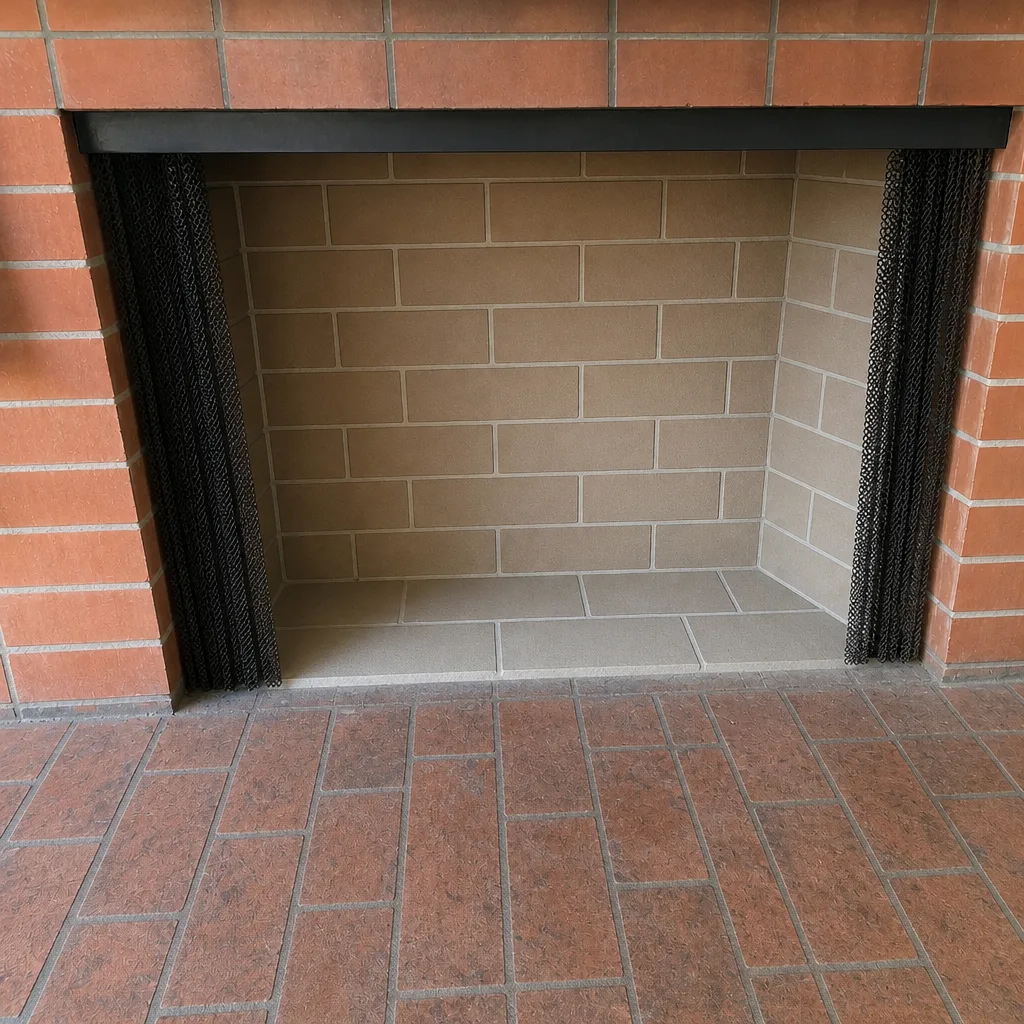
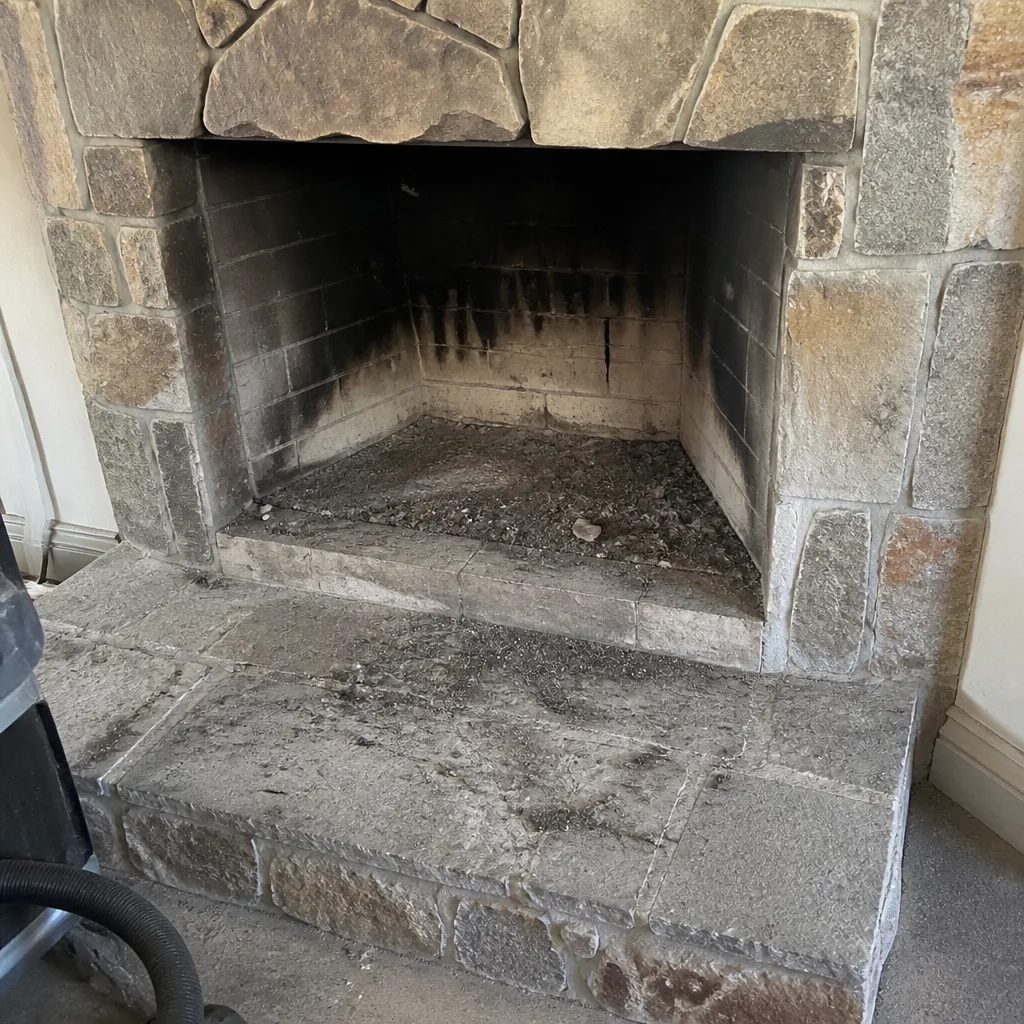
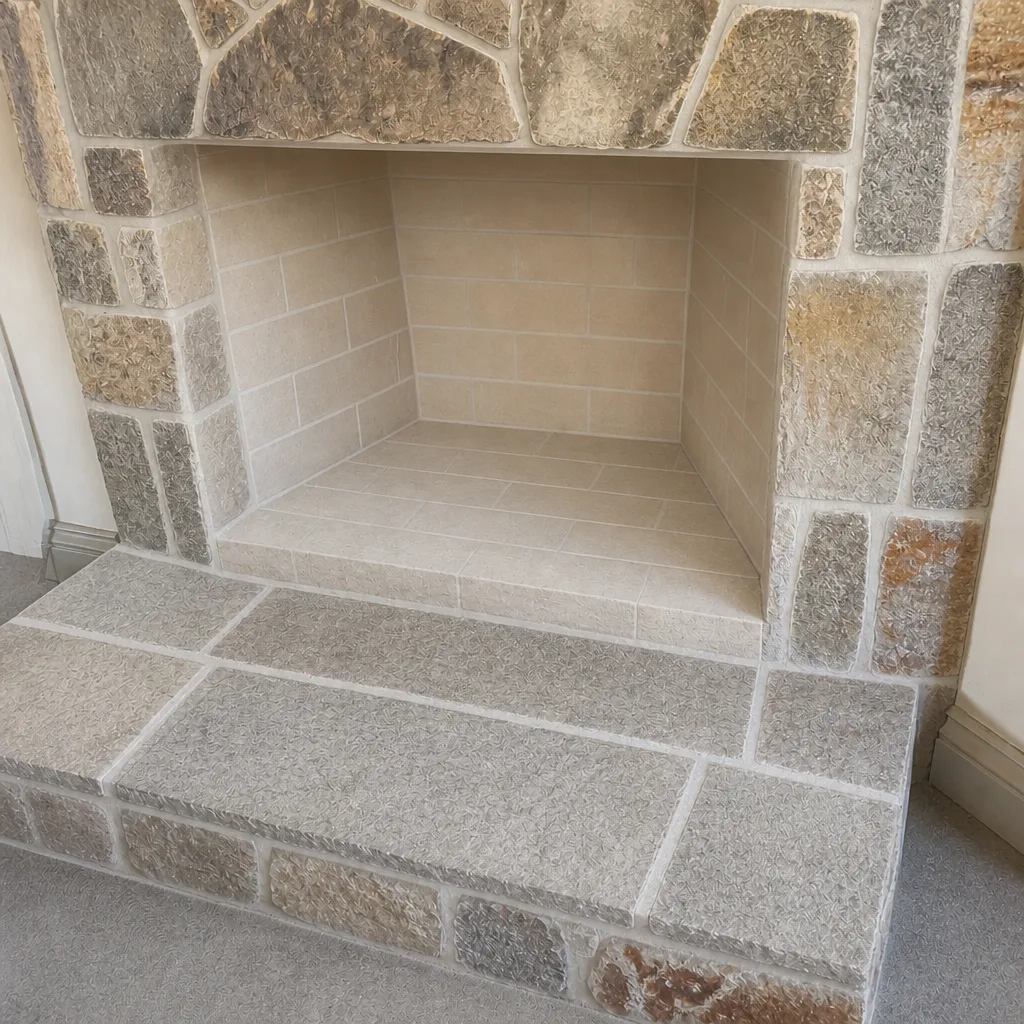
See the difference
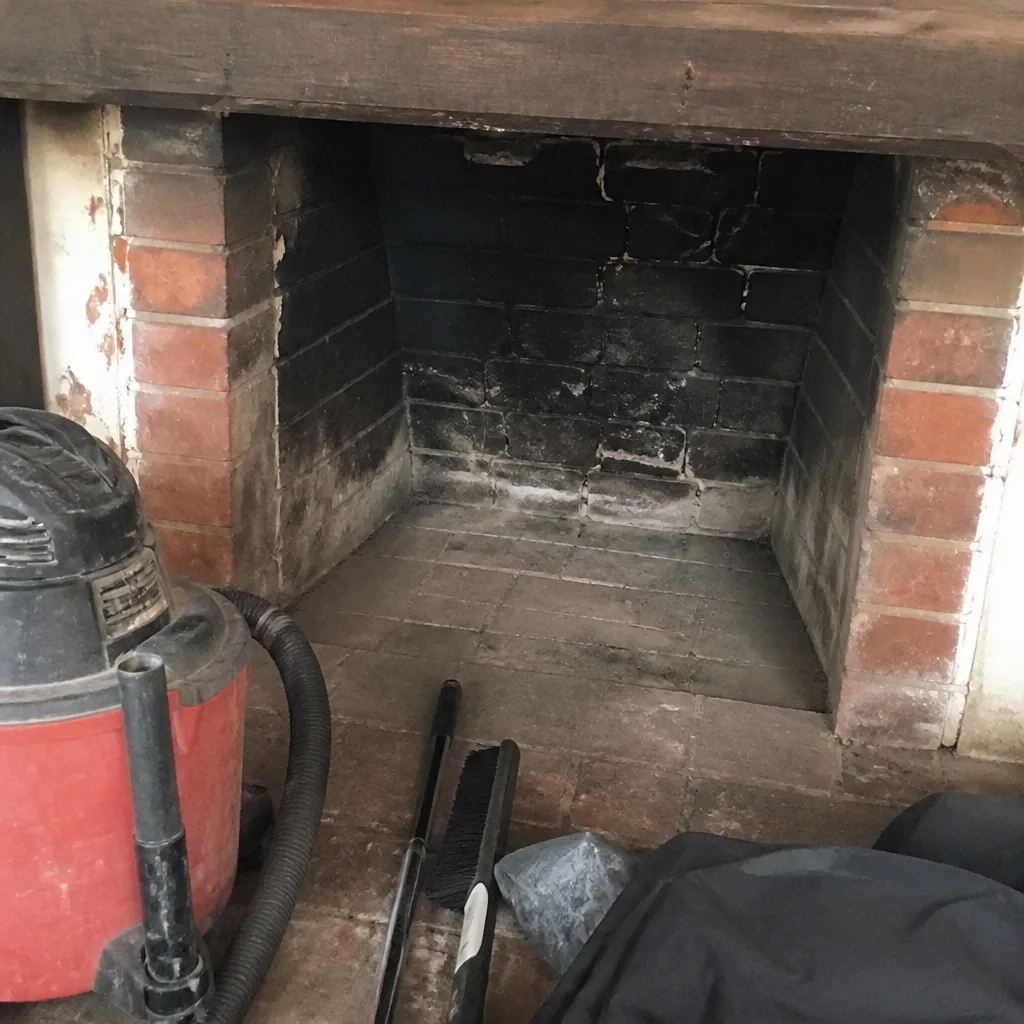 Before
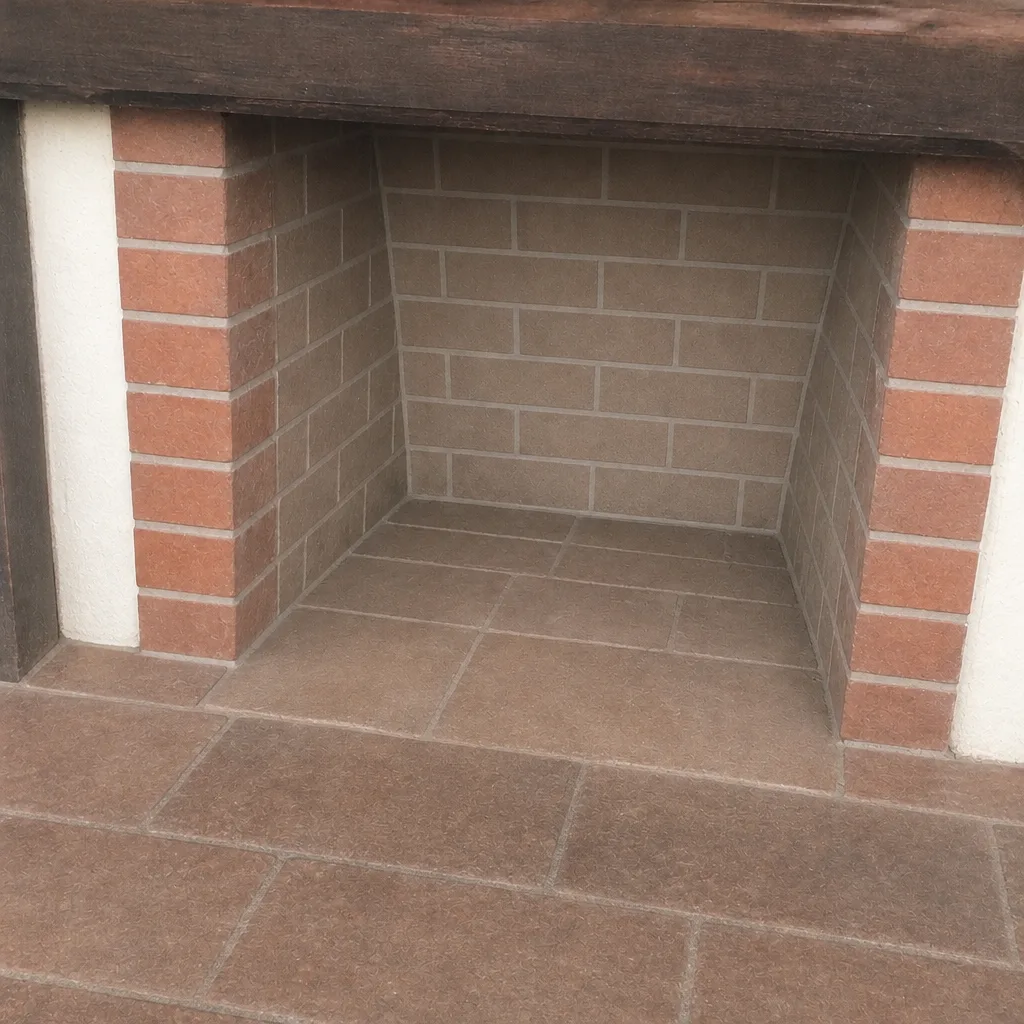 After
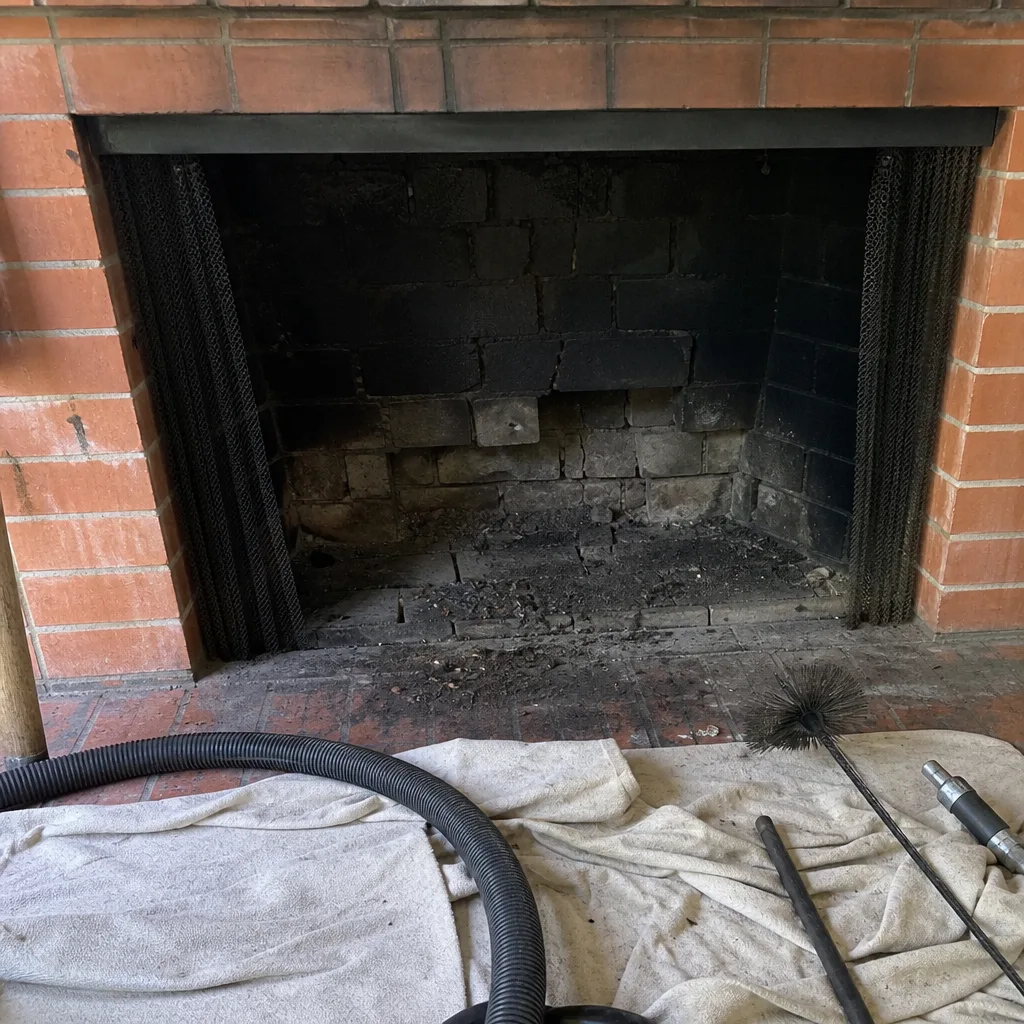 Before
 After
 Before
 After