
Last updated November 5, 2026
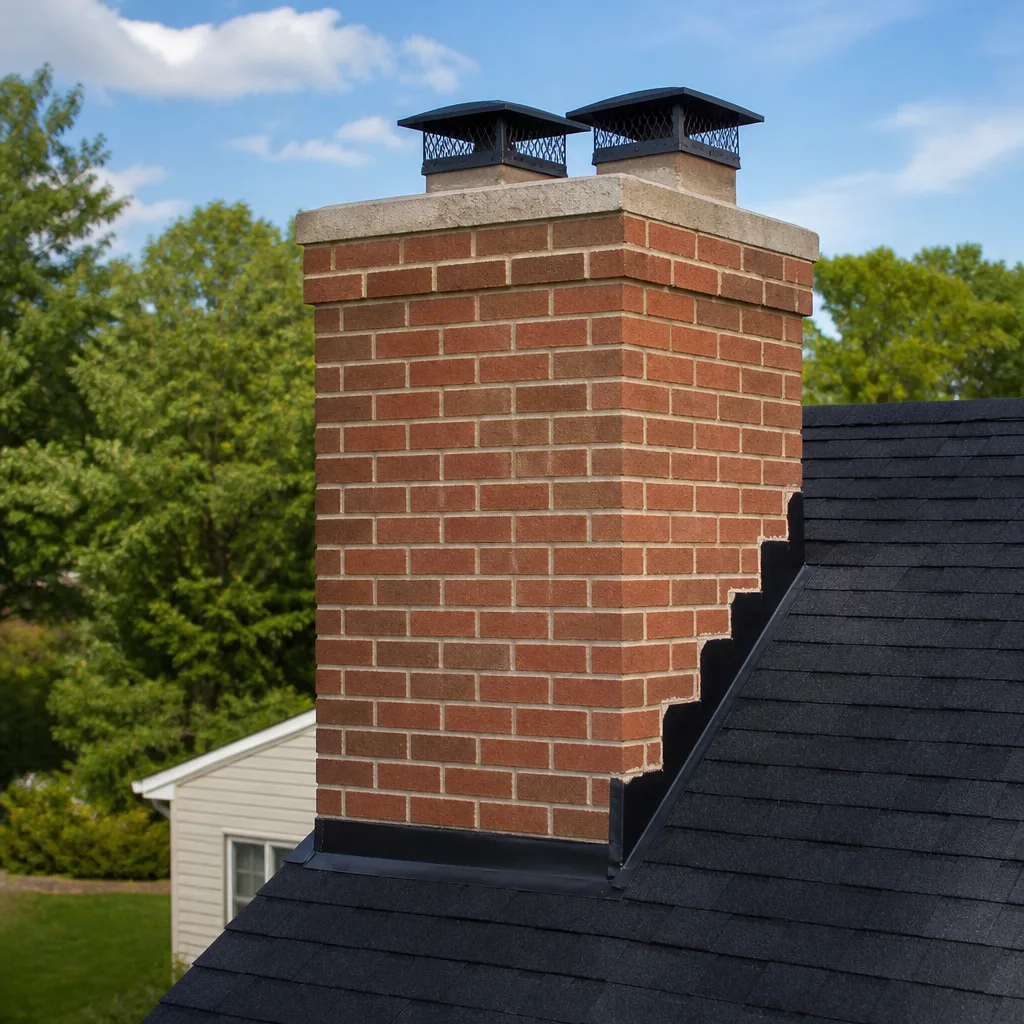
 Sweep & inspection
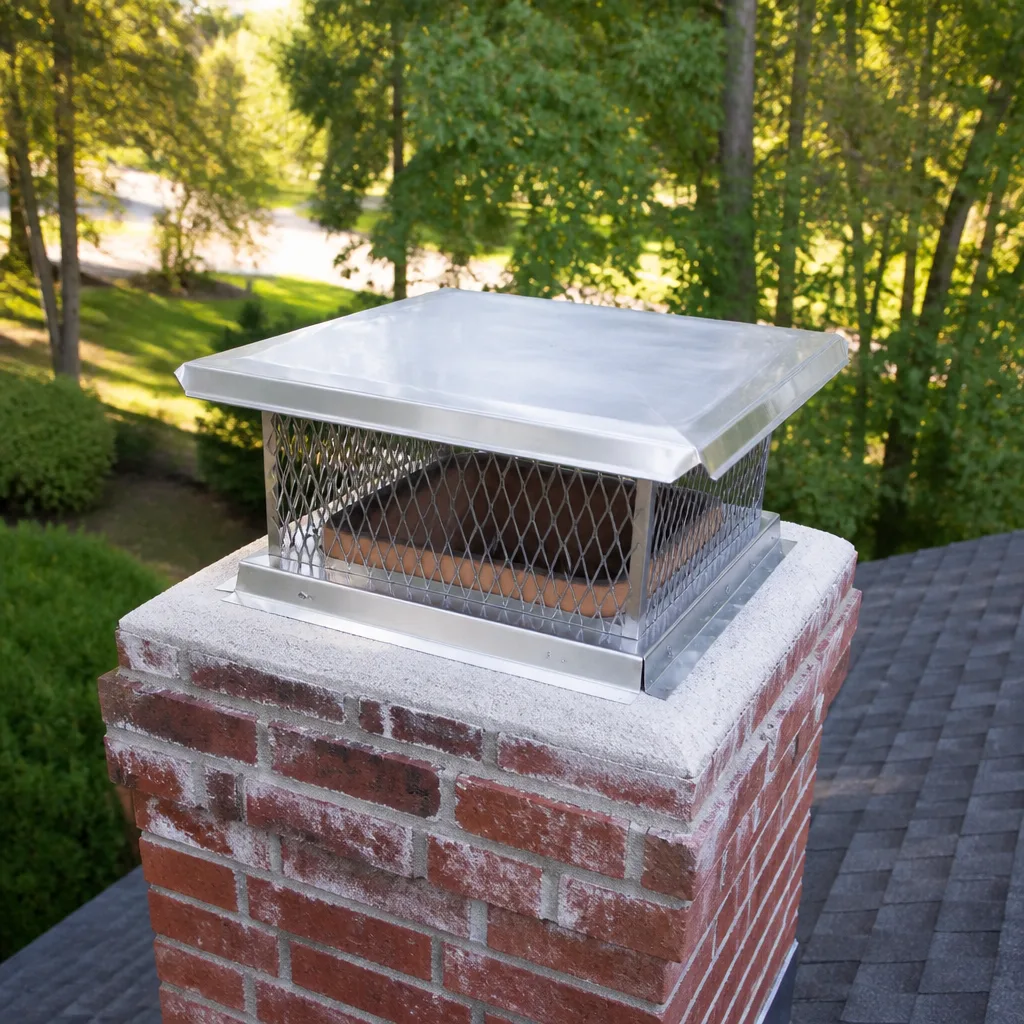
 Caps & crowns
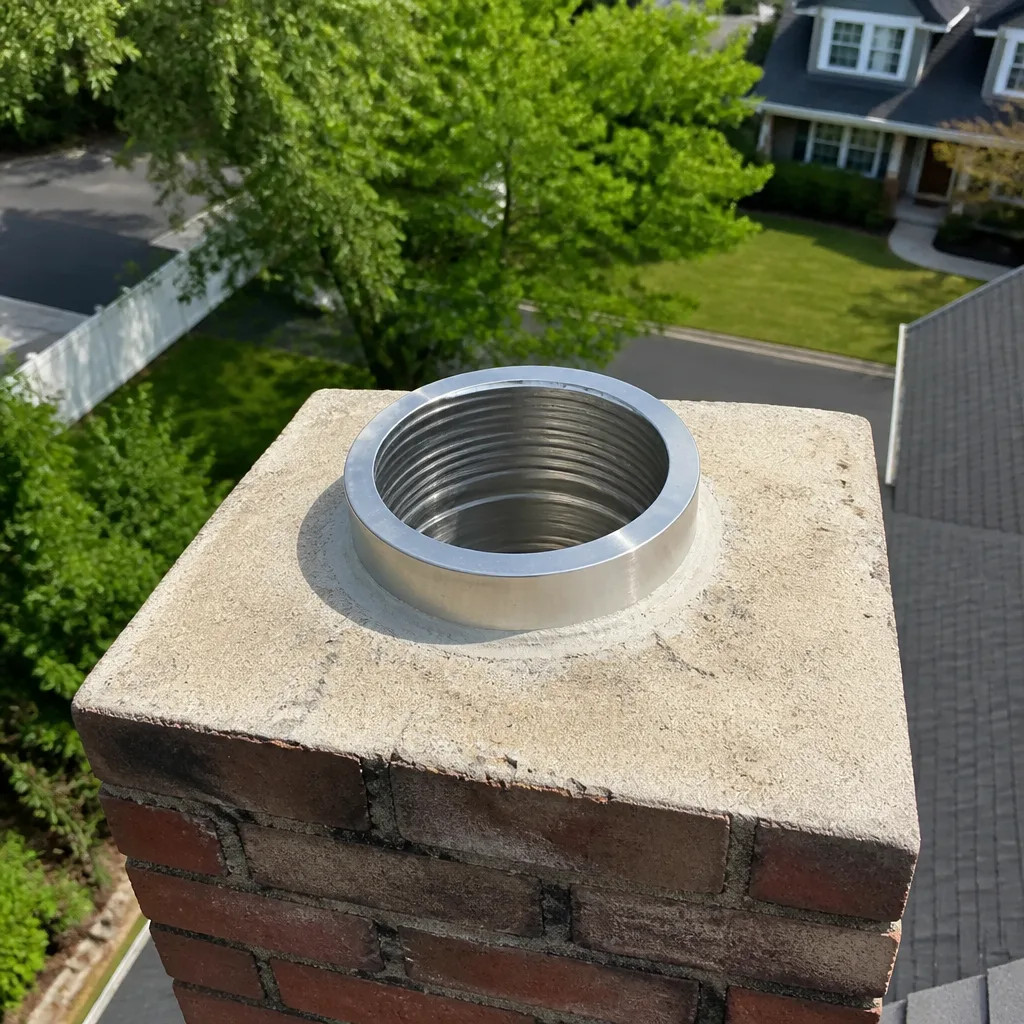 Flue relining
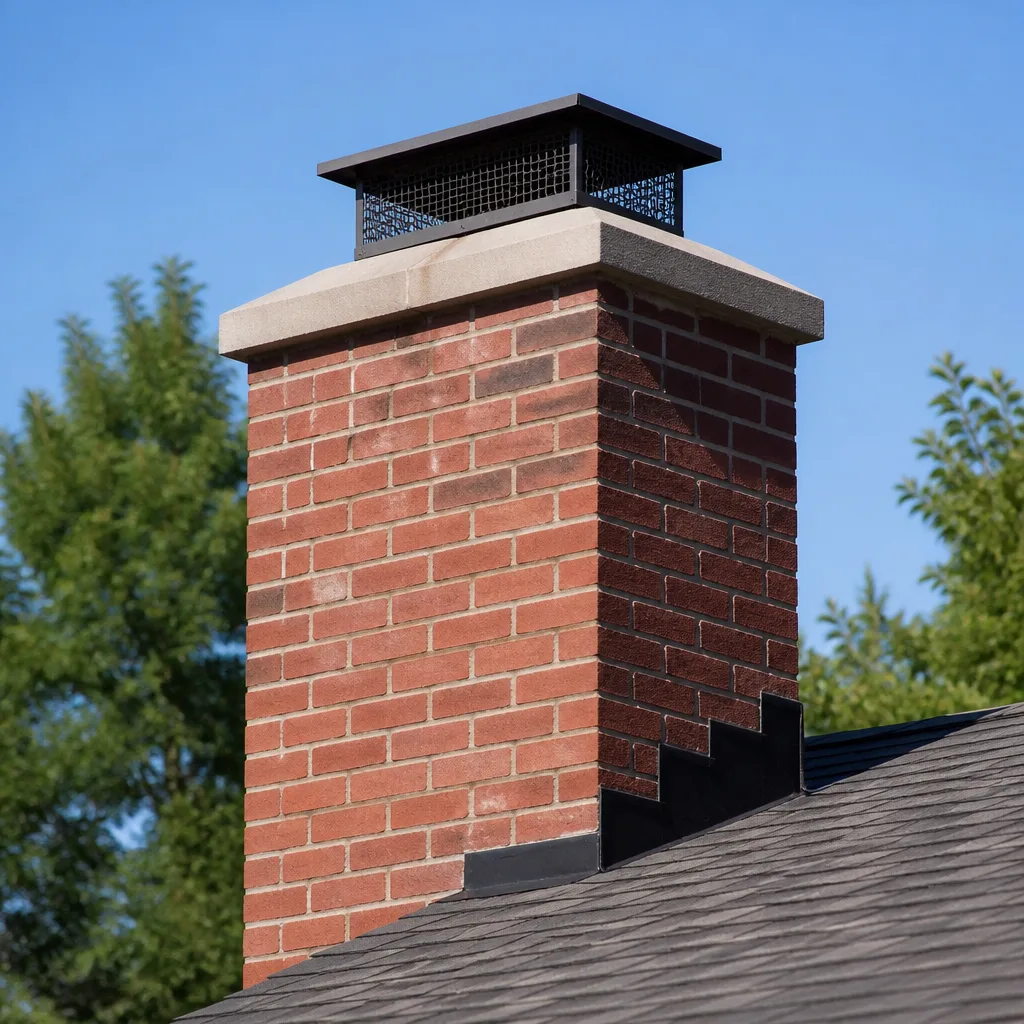
 Masonry repair
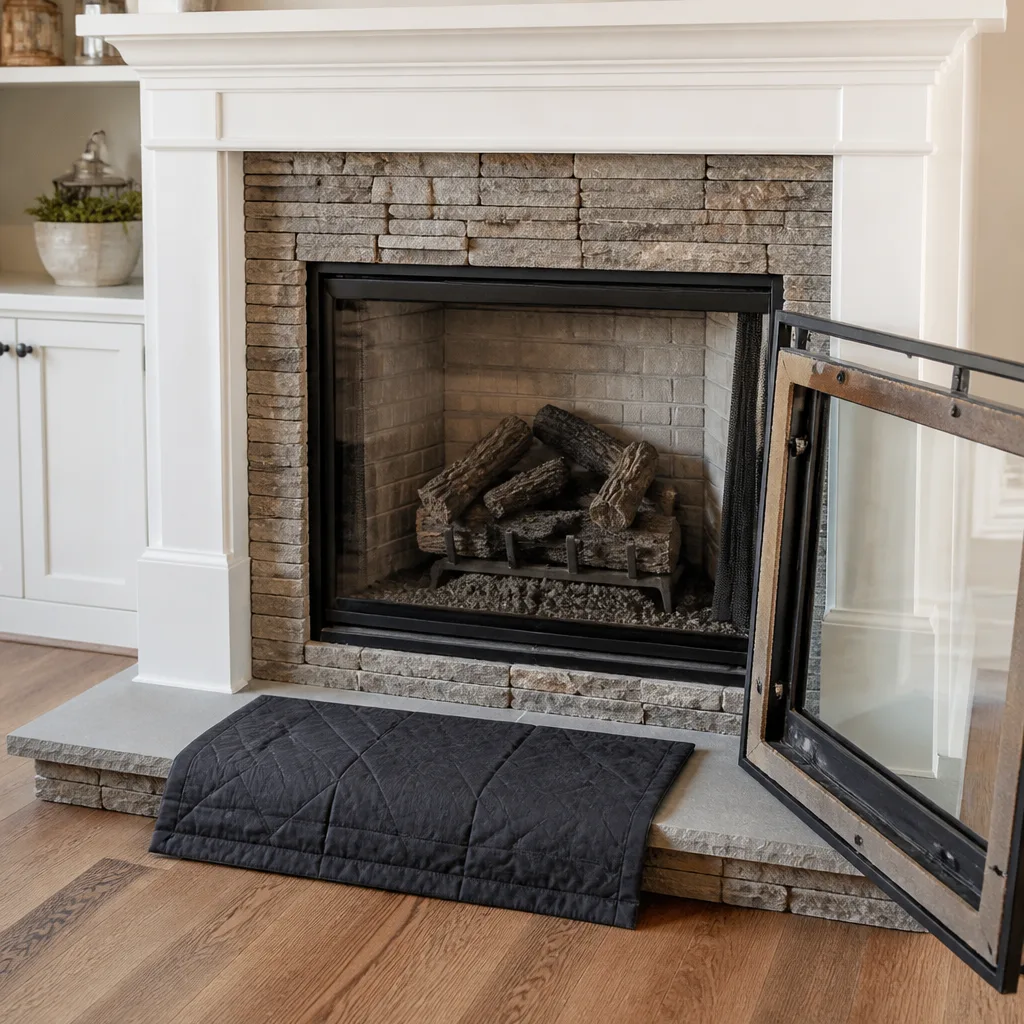 Gas fireplace service
Level 1 sweep and inspection to the NFPA 211 annual standard - flue, crown, cap, and flashing checked and photographed
Chimney sweep logs do not sweep chimneys. They loosen some creosote - which then falls where a brush and vacuum still have to collect it.
The Complete Guide to Chimney Cleaning in Lake View Terrace
Most chimney fires don’t start during a roaring December fire. They ignite in October, when homeowners light the first fire of the season in a flue that spent nine months collecting debris, bird nests, and dried creosote baked by summer heat. In Lake View Terrace, that summer heat isn’t just warm. It’s intense, dry, and often driven by Santa Ana winds that push dust, ash, and airborne debris into every opening on your property, including your chimney. This guide explains what actually happens inside a chimney in this specific climate, how to know when it needs attention, what a proper cleaning involves, and how to spot the difference between a real inspection and a quick brush-through. We’ll cover the full system from firebox to cap, because the parts you can’t see are the parts that matter most.
Styles & brands we work with
- Sweep & inspection
- Caps & crowns
- Flue relining
- Masonry repair
- Gas fireplace service
Quick Answer
Chimney cleaning in Lake View Terrace typically costs between $189 and $350 depending on the chimney’s condition, height, and how long it has been since the last sweep. A thorough cleaning takes 45 to 90 minutes and includes a full Level 1 inspection of the flue liner, smoke chamber, damper, and cap. If you burn wood regularly, schedule a sweep once per year, ideally in late summer or early fall before the first fire of the season.
Table of Contents
- Why Lake View Terrace Chimneys Get Dirtier Than You Expect
- The Five Components of a Complete Chimney System
- How Dry Heat and Santa Ana Winds Change Creosote Behavior
- Masonry vs. Prefab Chimneys in This Climate
- What a Level 1 Inspection Actually Covers
- How to Read a Post-Sweep Report
- Common Mistakes to Avoid
- When to Call a Professional
- Frequently Asked Questions
- The Bottom Line
Why Lake View Terrace Chimneys Get Dirtier Than You Expect
Lake View Terrace sits in the northeastern San Fernando Valley, where the geography does something specific to chimneys. The Hansen Dam area and the surrounding foothills create wind patterns that funnel dry air through residential neighborhoods. When Santa Ana winds blow, they carry fine dust, pollen, and plant material from the surrounding hillsides. Some of that material ends up in chimneys, especially those without a properly fitted cap.
But the bigger issue is what happens between fires. A chimney that sits unused from March through October isn’t resting. It’s collecting. Birds look for nesting spots in uncapped flues. Leaves and twigs from the mature trees throughout Lake View Terrace settle on chimney crowns. Spiders, wasps, and rodents find their way into the chase. By the time October arrives, the flue that was clean in March isn’t clean anymore.
This matters because the first fire of the season is the most dangerous one. You’re introducing intense heat into a system that has accumulated a full summer of debris. If any of that debris is flammable, and if there’s creosote residue from the previous burning season, the conditions are right for a chimney fire. Homeowners often tell us the first fire seemed fine, only to notice a faint burning smell or hear popping sounds. That’s the sound of creosote igniting in the upper flue. It doesn’t always roar. Sometimes it smolders and damages the liner without ever producing visible flames.
The Five Components of a Complete Chimney System
Most people think of a chimney as a single tube. It’s not. A chimney is a system of at least five distinct components, and each one needs inspection during a proper chimney sweep. If a technician only brushes the flue and skips the rest, they haven’t done the job.
- The flue liner. This is the interior passage that carries smoke and gases up and out. It’s made of clay tile, metal, or a cast-in-place material. Cracks here allow heat and gases to reach combustible framing.
- The smoke chamber. The area above the firebox and below the flue. It funnels smoke upward. In masonry chimneys, the walls are often corbeled brick with rough mortar joints that collect creosote heavily.
- The damper. The metal or ceramic plate that seals the flue when the fireplace isn’t in use. A warped or rusted damper leaks conditioned air out of your home year-round.
- The chimney crown and cap. The concrete or mortar slab at the top and the metal cap that covers the flue opening. A cracked crown lets water into the masonry. A missing cap lets everything in.
- The firebox. The chamber where the fire burns. Firebrick and refractory mortar absorb heat and protect the surrounding structure. Deteriorated mortar here is a safety issue, not a cosmetic one.
When we clean a chimney in Lake View Terrace, we inspect all five. The full system, not just the visible parts. Because the parts you can’t see from the hearth are the ones that fail first.
How Dry Heat and Santa Ana Winds Change Creosote Behavior
Creosote is a byproduct of wood combustion. It forms when smoke cools and condenses on the flue walls. In humid climates, creosote tends to stay somewhat sticky and tar-like. It’s messy, but it’s also easier to remove with standard brushing. In Lake View Terrace, the dry heat changes that equation.
Our summers regularly push temperatures into the 90s and beyond, with single-digit humidity. That heat bakes creosote deposits inside the flue. What was a sticky glaze in March becomes a hard, glazed, brittle layer by September. This third-degree creosote is the most dangerous kind. It burns intensely and is resistant to standard chimney brushes. Removing it often requires rotary cleaning tools or chemical treatments designed to break down the hardened glaze.
Santa Ana winds add another wrinkle. When winds blow consistently from the northeast, they force air down uncapped or improperly capped chimneys. This pushes ash and fine debris deeper into the flue and can even force small amounts of creosote dust into the smoke chamber and firebox. It also dries out the masonry from the outside, which accelerates the natural aging of mortar joints.
The practical takeaway: a chimney in Lake View Terrace that gets cleaned every 18 to 24 months may already have hardened creosote by the time it’s swept. Annual cleaning isn’t a conservative recommendation here. It’s the correct interval for anyone who burns wood regularly.
Masonry vs. Prefab Chimneys in This Climate
Lake View Terrace has a mix of housing stock. Homes built in the 1950s through the 1970s often have traditional masonry chimneys with clay tile liners. Homes built more recently frequently use prefabricated chimney systems with stainless steel liners and factory-built chase enclosures.
Masonry chimneys age differently in this climate. The dry heat causes mortar to lose moisture content faster than it would in a coastal environment. Without that moisture, mortar becomes friable and begins to crumble. This is particularly visible at the chimney crown, where cracked mortar allows water intrusion during the winter rains. A little water, a little heat expansion, and the damage compounds over a few seasons.
Prefab chimneys have their own failure pattern. The metal components expand and contract with temperature swings. Over time, the inner liner can warp, and the insulation between the liner and the outer chase can settle. Prefab units also tend to have smaller flue diameters, which means creosote builds up faster in the same amount of burning time.
Neither system is immune to the local conditions. Masonry needs crown and mortar inspection. Prefab needs liner and chase inspection. The right approach depends on what’s actually installed in your home, which is why a proper inspection always starts with identifying the chimney type before any cleaning begins.
What a Level 1 Inspection Actually Covers
The National Fire Protection Association defines three levels of chimney inspection. A Level 1 inspection is the standard during routine cleaning. It’s what you should expect any time you hire a chimney sweep in Lake View Terrace.
A Level 1 inspection includes:
- Visual examination of the readily accessible portions of the flue, both top and bottom
- Verification that the flue is free of obstructions and combustible deposits
- Inspection of the damper for proper operation and fit
- Examination of the firebox for damaged brick or mortar
- Checking the chimney cap and crown for damage or missing components
- Confirmation that the chimney is properly connected to the appliance
What a Level 1 inspection does not include is access behind walls, removal of chimney components, or camera scanning of the entire flue interior. If you haven’t used your fireplace in years, or if you just bought a home with an unknown chimney history, a Level 2 inspection with camera scanning is the appropriate step.
Before you light the first fire after summer, the inspection needs to confirm three things specifically. First, that no animal has nested in the flue during the warm months. Second, that no creosote has hardened into a glazed layer that could ignite. Third, that the damper opens and closes fully and isn’t seized from disuse. If any of those three raises a concern, the fire waits until the issue is resolved.
How to Read a Post-Sweep Report
A legitimate post-sweep report should include more than a line that says “swept and inspected.” You want documentation of what was found, what was done, and what needs attention. Here’s what to look for:
- Creosote level before and after. The technician should note whether creosote was Stage 1, Stage 2, or Stage 3, and what remains after cleaning. A clean flue should read Stage 1 or clear.
- Flue condition. Any cracks, spalling, or deterioration should be noted with the location in the flue. Written descriptions matter more than generic checkboxes.
- Cap and crown status. Photos are ideal. A written note about crown cracking or a missing cap is essential. You should know if the top of your chimney needs attention.
- Damper function. The report should confirm the damper opens, closes, and seals. If it doesn’t, that’s a separate repair item.
- Recommendations with justification. If the technician recommends a repair, the report should explain why. “Flue liner cracked at 8 feet, visible in camera scan” is actionable. “Liner needs attention” without evidence is not.
At Shield Chimney Cleaning, we include camera inspection and a photo report with every sweep. Homeowners in Lake View Terrace deserve to see the condition of their own chimney, not just take someone’s word for it. If a company won’t show you photos, ask why.
Common Mistakes to Avoid
- Skipping the pre-season inspection. Assuming the chimney is fine because it was fine last March ignores nine months of accumulation. The first fire of the season is the wrong time to discover a bird’s nest.
- Burning unseasoned wood. Wet wood produces more smoke, more creosote, and more buildup. Lake View Terrace’s dry climate makes proper wood seasoning easier, but firewood left uncovered through a rainy winter can soak up moisture fast.
- Ignoring a dripping damper. A damper that won’t seal properly leaks conditioned air out of your home all summer. That’s an energy cost you’re paying every month, not just a fireplace inconvenience.
- Treating chimney cleaning as optional. A chimney that never gets cleaned doesn’t just get dirty. It becomes a fire hazard. The creosote that builds up is fuel waiting for heat.
- Using the fireplace as a trash incinerator. Burning wrapping paper, cardboard, or yard debris creates dense smoke and unpredictable creosote deposits. Only burn seasoned firewood.
- Hiring on price alone. A $99 sweep special usually means a brush through the flue and nothing else. No smoke chamber cleaning, no cap inspection, no camera scan. You get what you pay for, and what you’re not paying for is the inspection that catches safety problems.
- Waiting until you smell smoke. By the time you smell smoke backing up into the house, the flue is already compromised. Regular inspection catches blockages before they become smoke problems.
When to Call a Professional
You should call a chimney professional if you notice any of the following: a burning smell when the fireplace is in use, smoke entering the room instead of drafting upward, visible cracks in the firebox brick, water stains on the ceiling near the chimney, a damper that won’t move, or debris falling into the firebox from above. You should also schedule a cleaning if it’s been more than 12 months since the last sweep and you use the fireplace regularly.
If you’ve just purchased a home in Lake View Terrace and don’t know the chimney’s history, assume it hasn’t been cleaned recently and schedule a Level 2 inspection with camera scanning. The cost of a thorough inspection is far less than the cost of repairing fire damage. Shield Chimney Cleaning offers free estimates in Lake View Terrace. Call (833) 593-4561 to schedule a sweep or inspection. We answer 24/7. Fast dispatch from 7am to 7pm, Sunday through Friday.
Frequently Asked Questions
Chimney cleaning in Lake View Terrace typically costs between $189 and $350, with the final price based on the chimney’s height, condition, and how much creosote has built up. A simple open-flue masonry chimney with light buildup sits at the lower end. A tall chimney, a heavy glazed creosote layer, or a prefab system with tight clearances pushes toward the higher end. The written estimate you receive before work begins sets the exact price. Call (833) 593-4561 for a free estimate.
If you burn wood regularly, sweep once per year. The dry heat in Lake View Terrace bakes creosote into a hardened glaze faster than humid climates do, which makes annual cleaning the safe interval for regular burners. If you burn only occasionally, every 18 to 24 months may be sufficient, but an annual inspection is still smart because birds and wind-blown debris collect in unused flues. The National Fire Protection Association recommends inspection at least once per year regardless of usage.
Not always, but a legitimate recommendation should come with photographic evidence. A camera scan will show cracks, gaps, or deterioration in the flue liner. If the liner has minor surface damage, a resurfacing product like HeatShield may restore it without a full replacement. If the liner is severely cracked or missing sections, replacement with a DuraFlex stainless steel liner is the safe fix. Ask to see the camera footage. A reputable technician will show it to you without hesitation. Call (833) 593-4561 if you want a second opinion.
Creosote accumulates inside the flue, and in Lake View Terrace’s dry heat, it hardens into a flammable glaze. A hot fire can ignite that glaze, and a chimney fire can crack the flue liner, damage the surrounding masonry, and in the worst case, spread to the house framing. Even without a fire, an uncleaned chimney can have birds, nests, and debris that block proper drafting and push carbon monoxide back into the home. The risks compound the longer you wait. A sweep is the cheapest protection you can buy for your fireplace.
Dryer lint is highly flammable, and a clogged vent forces your dryer to work harder while pushing heat into the walls instead of outside. The dry air in Lake View Terrace makes lint even more combustible. If your dryer takes longer than one cycle to dry clothes, or if the laundry room gets unusually warm, the vent likely needs attention. Dryer vent cleaning is a separate service from chimney sweeping, and we handle both so you don’t need to coordinate multiple contractors.
We work with professional-grade brands that certified chimney specialists use nationwide: DuraFlex for stainless steel liner systems, HeatShield for ceramic flue resurfacing, and Olympia Chimney, Famco, and Copperfield for venting components and caps. These aren’t off-the-shelf substitutes from a hardware store. They’re materials engineered for chimney applications and installed by technicians trained on their proper use. The materials matter because a chimney repair is only as good as the product inside the flue.
The Bottom Line
Chimney cleaning in Lake View Terrace isn’t a cosmetic task. It’s a safety procedure that protects your home from chimney fires and carbon monoxide exposure. The local climate makes creosote harden faster, the Santa Ana winds push debris into uncapped flues, and the dry heat ages masonry faster than coastal conditions do. An annual sweep with a full Level 1 inspection catches problems before they become dangers. A proper report includes photos and specific findings, not checkboxes. And a repair recommendation should come with camera evidence you can see for yourself. The full system, not just the visible parts. Protect what’s behind your walls.
Written by the team at Shield Chimney Cleaning, serving Lake View Terrace since 2013.
See the difference
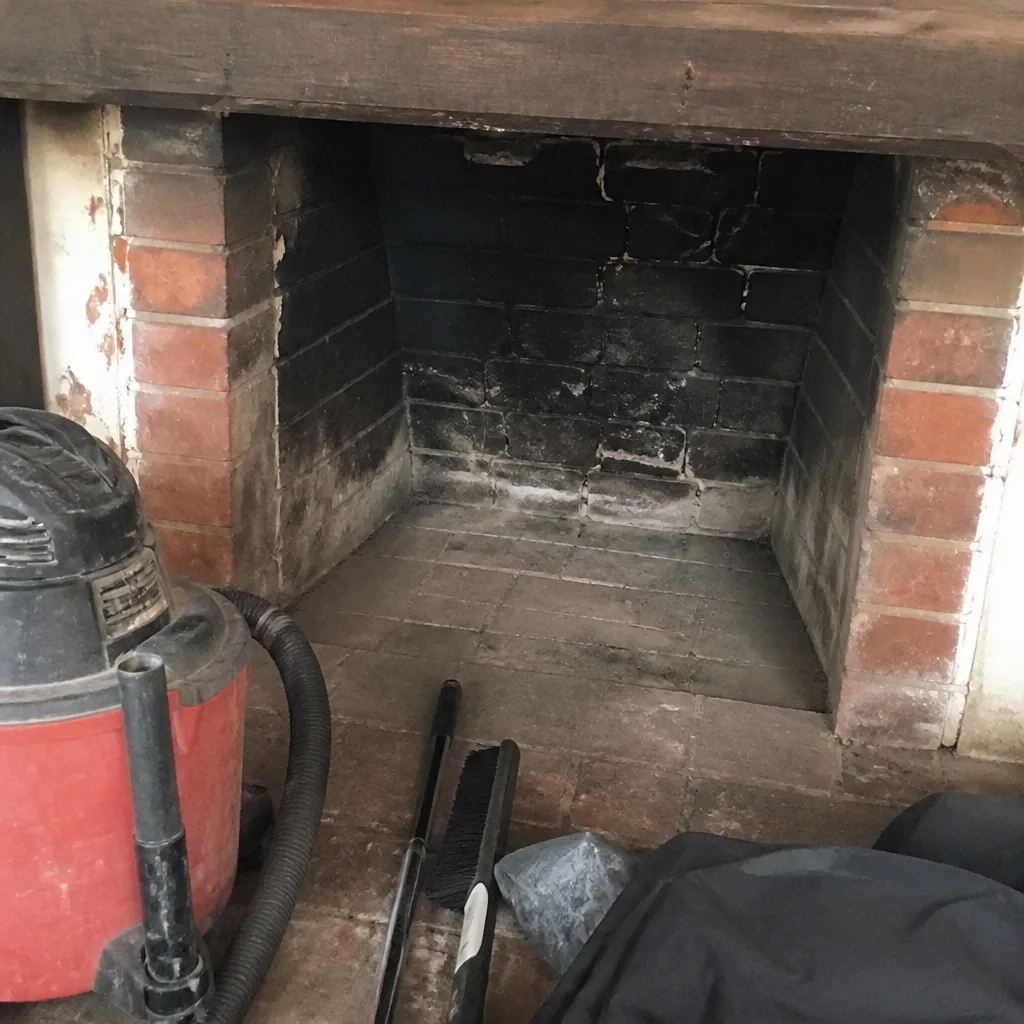 Before
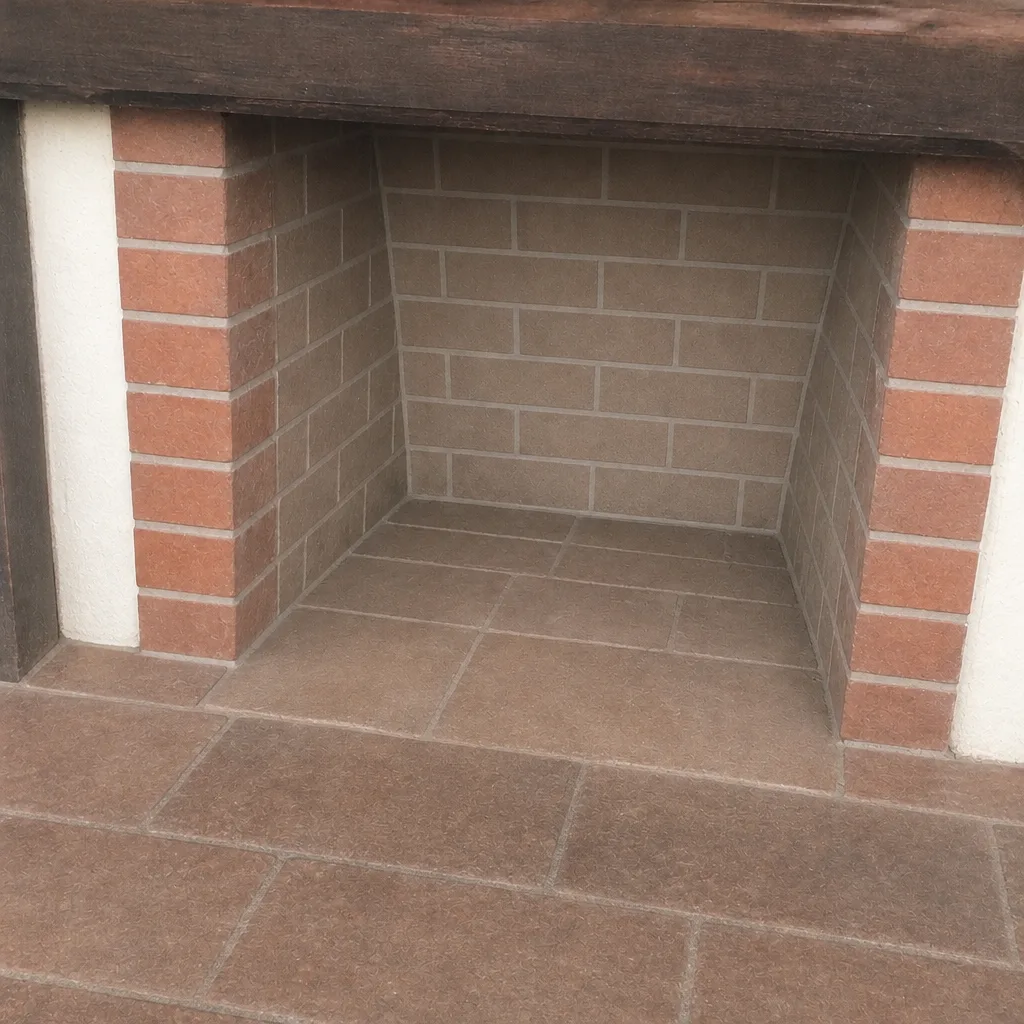 After
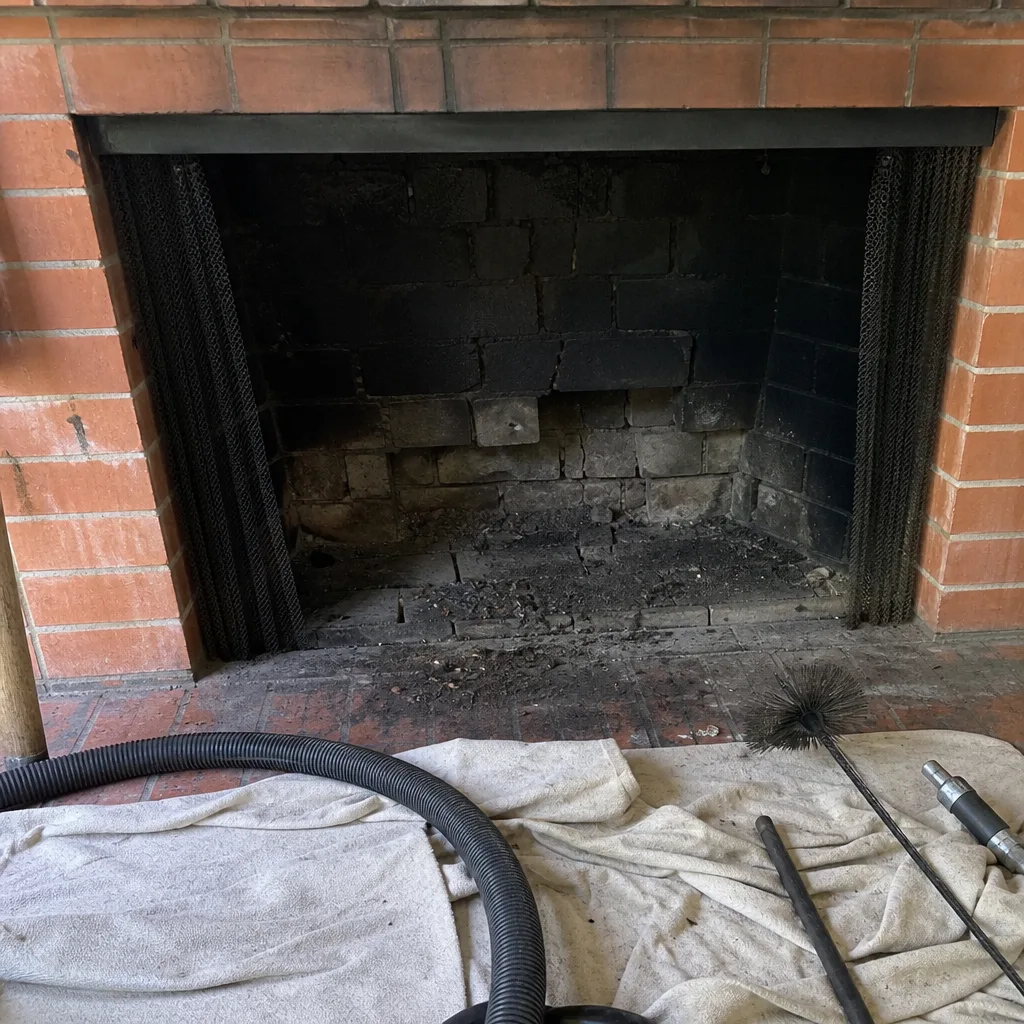 Before
 After
 Before
 After