
Last updated November 5, 2026
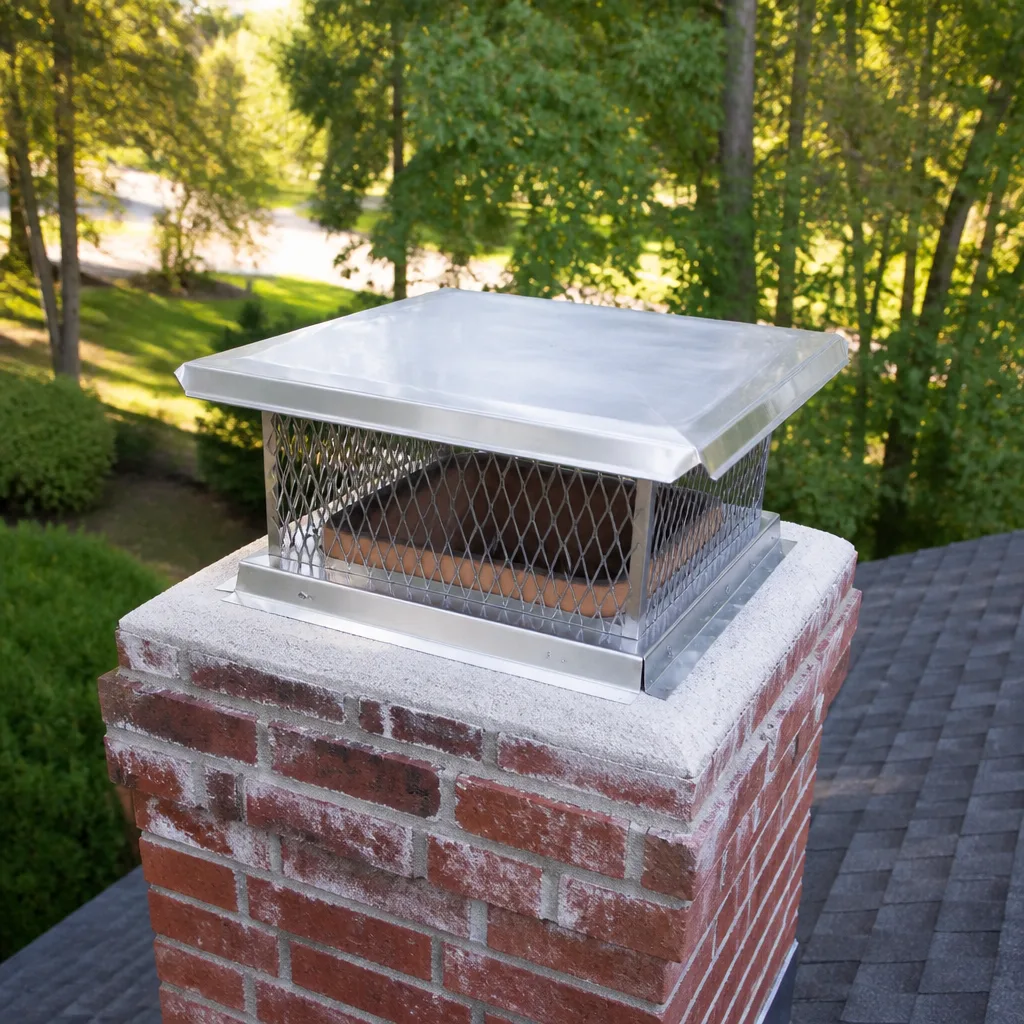 Sweep & inspection
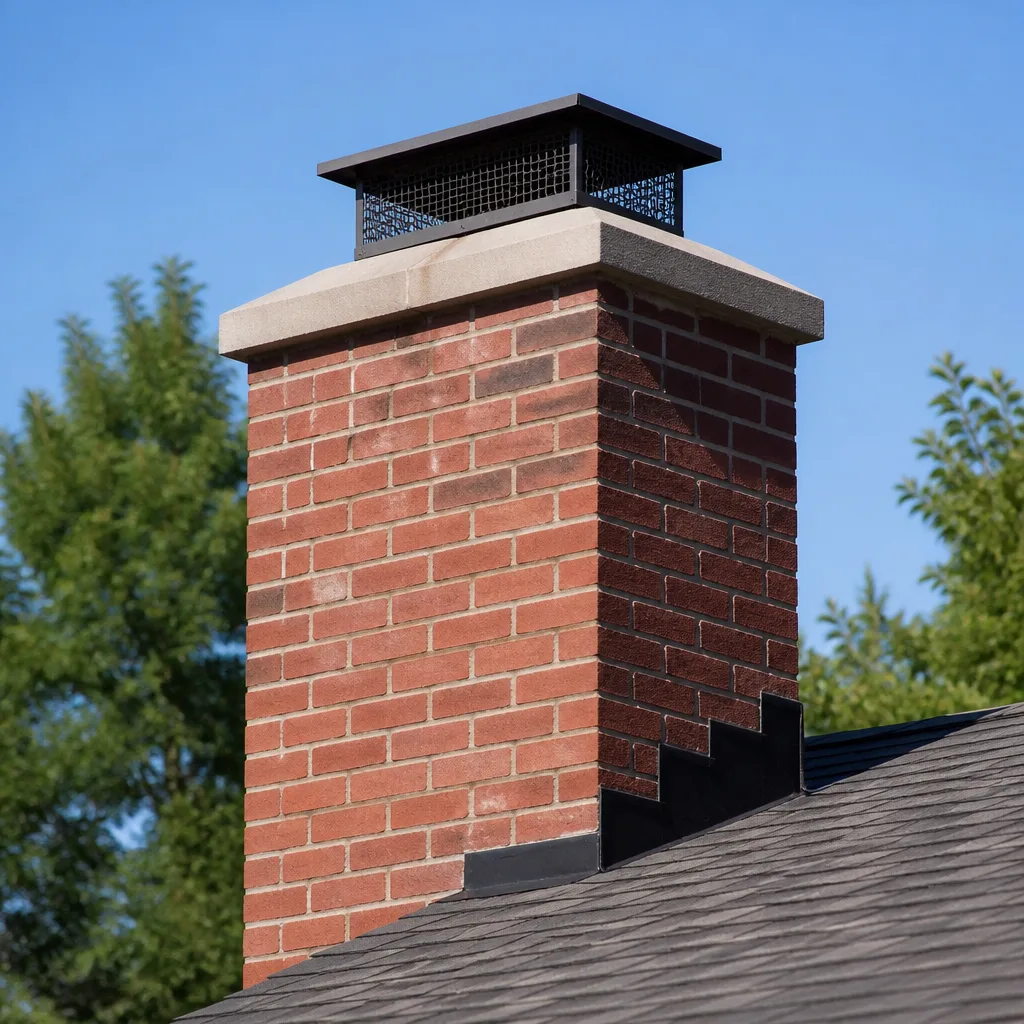 Caps & crowns
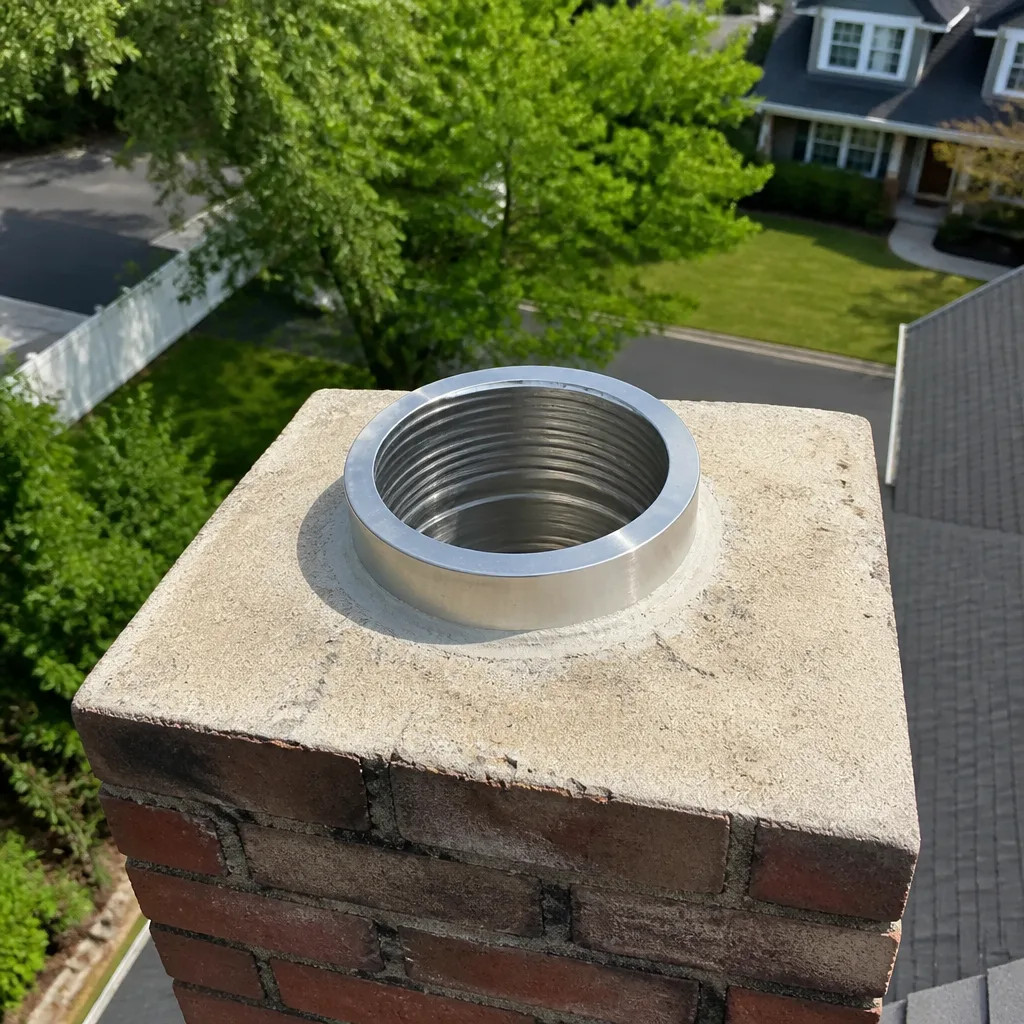 Flue relining
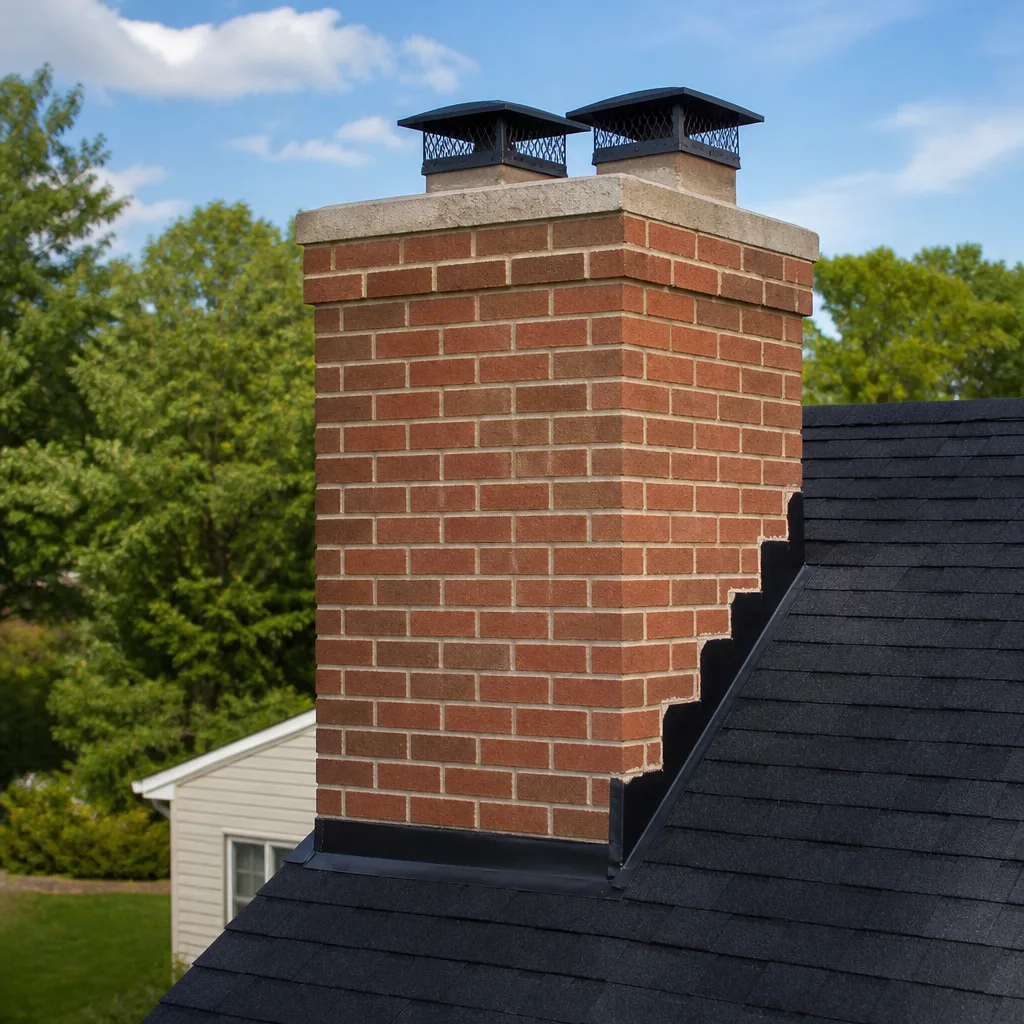 Masonry repair
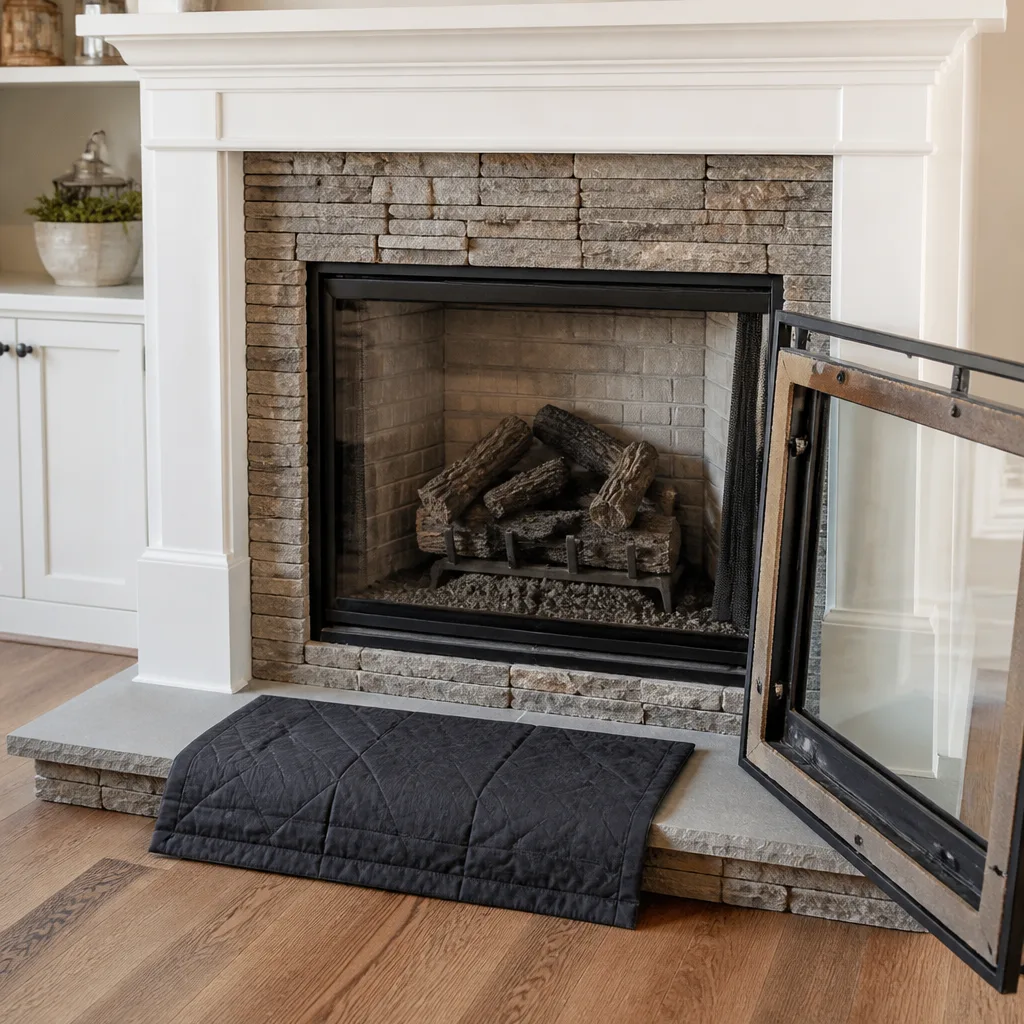 Gas fireplace service
Level 1 sweep and inspection to the NFPA 211 annual standard - flue, crown, cap, and flashing checked and photographed
Chimney sweep logs do not sweep chimneys. They loosen some creosote - which then falls where a brush and vacuum still have to collect it.
DIY vs Professional Chimney Cleaning: The Lake View Terrace Homeowner’s Decision Guide
Chimney brushes are sold at hardware stores, the technique is straightforward, and the creosote does come off. But the brush can’t tell you whether the liner it just cleaned has a hairline crack that will direct flames into the wall cavity on the next fire. That’s the honest tension at the heart of this guide, and we’re not going to pretend it doesn’t exist. A mechanically competent homeowner in Lake View Terrace can absolutely run a brush through a flue and remove surface buildup. The real question is what gets missed in the process, and in this part of Southern California, where wildfire exposure and seismic activity are genuine factors, the inspection component isn’t optional. This guide draws the line honestly rather than defaulting to “always hire a pro.”
Styles & brands we work with
- Sweep & inspection
- Caps & crowns
- Flue relining
- Masonry repair
- Gas fireplace service
Quick Answer
DIY chimney cleaning can remove visible creosote from an accessible flue, but it cannot replace the inspection, documentation, and specialized equipment that professional chimney sweeping provides. For most Lake View Terrace homeowners, the sensible approach is annual professional cleaning plus light DIY maintenance between visits, such as ash removal and visual firebox checks. The cost difference is smaller than most people assume once equipment, time, and the value of verified liner inspection are factored in.
Table of Contents
- What a Homeowner Can Legitimately Do Between Professional Visits
- What a Professional Chimney Sweep Actually Does in Lake View Terrace
- The Equipment Gap: Why Pros Use What They Use
- Seismic Activity and Liner Integrity: What Only a Camera Sees
- The Insurance and Documentation Angle
- Honest Cost Comparison: DIY vs Professional
- Common Mistakes to Avoid
- When to Call a Professional
- Frequently Asked Questions
- The Bottom Line
What a Homeowner Can Legitimately Do Between Professional Visits
Let’s be clear about what DIY maintenance is good for. Between annual professional sweeps, there are three tasks a homeowner can handle safely and usefully. First, remove ash from the firebox when it accumulates beyond about an inch. Ash insulates embers and slows the fire’s efficiency, and removing it is as simple as waiting a day after the last fire, wearing a dust mask, and scooping it into a metal container with a lid. Second, do a visual check of the chimney cap from the ground. If you can see the cap is missing, tilted, or clogged with visible debris, that’s worth investigating. Third, look into the firebox with a flashlight after cleaning. You’re checking for cracked firebrick, loose mortar joints, or any obvious change from the last time you looked. These observations are genuinely valuable because they give a professional context when you call.
What you cannot do well from the ground or from inside the firebox is assess the flue liner. Creosote accumulates unevenly, and the worst deposits are often in the upper third of the flue where the gases cool and condense. That section is invisible without a camera or a trip onto the roof, and the roof is exactly where we’d prefer you not go. Lake View Terrace rooflines vary from mid-century ranch styles to newer hillside constructions, and none of them are forgiving to an untrained person with a brush and a tarp.
Frame it this way: DIY maintenance keeps the visible parts of your chimney in good order. Professional chimney sweep service handles the parts you can’t see and validates the system’s safety. Both have a role. The danger comes when DIY maintenance is treated as a substitute for professional inspection rather than a supplement to it.
What a Professional Chimney Sweep Actually Does in Lake View Terrace
A thorough professional chimney cleaning in Lake View Terrace is a four-part process, and the sweeping itself is only one of those parts. The first step is protecting the home’s interior. The sweep lays drop cloths around the fireplace, seals the firebox opening, and runs a high-powered HEPA-filtered vacuum throughout the job. This isn’t a nicety. The fine particulate that gets stirred up during cleaning is exactly the kind of dust that aggravates respiratory conditions, and containment is part of what you’re paying for.
Second comes the mechanical cleaning. The sweep runs wire or poly brushes through the flue from the roof or from inside, depending on the chimney’s design, working to remove creosote at every level. Third, and this is where the value really lives, is the inspection. After the flue is clean, the sweep runs a video camera up the chimney to examine the liner, the mortar joints, the crown, and the throat of the flue. This is the only way to see hairline cracks, spalling, or separation that isn’t visible from the firebox.
Fourth is the report. A good sweep will walk you through what the camera found, show you the images, and give you an honest assessment of what needs attention now, what can wait a year, and what looks solid. For homeowners in Lake View Terrace, this is the step that turns a maintenance task into a safety assessment. The sweep you can do yourself. The assessment you can’t.
The Equipment Gap: Why Pros Use What They Use
Here’s the pragmatic reality: a basic DIY chimney cleaning kit costs between $40 and $120 at a hardware store. It includes a brush, some fiberglass rods, and maybe a tarp. A professional setup, the kind used by reputable sweeps, includes commercial rotary brushes, industrial HEPA vacuums that cost more than a used car, and video inspection cameras built to withstand a flue’s heat and abrasion. That equipment gap isn’t about gatekeeping. It’s about what each setup can detect.
Consider the rotary brush. A handheld brush with push rods cleans in a straight line, and it does a passable job on straight flues with light to moderate buildup. But creosote can harden into a glaze that a hand brush simply can’t cut through. A rotary brush on a steel cable, driven by a professional drill system, actually works the creosote loose. That matters in Lake View Terrace because our mild winters mean chimneys get intermittent use rather than daily full-season burning. Intermittent use leads to repeated cycles of warm-up and cool-down, which allows creosote to harden in layers. It’s stubborn stuff.
Then there’s the inspection camera. This isn’t a gadget. It’s the difference between seeing what came off the flue walls and seeing what remains on them after the brush passed through. A camera reveals cracks, gaps, and deterioration that a brush will never identify. Companies that carry professional-grade brands like Olympia Chimney and Famco components use this equipment as a matter of course because it’s the only way to honestly document the flue’s condition. You can rent a camera, but interpreting what’s on the screen is a learned skill. A shadow can look like a crack. A soot streak can hide a real one.
Seismic Activity and Liner Integrity: What Only a Camera Sees
Lake View Terrace sits in a seismically active region, and that has a direct bearing on chimney liners. Earthquakes, even small ones that don’t register as memorable events, put lateral stress on masonry chimneys. Over time, that stress can produce hairline cracks in clay tile liners or separation at the mortar joints. These cracks are not visible from the firebox. They’re not visible from the roof. They show up only on a video inspection after the flue has been cleaned and the camera passes over the suspicious area.
Why does a hairline crack matter? Because the liner is the barrier between the fire’s heat and the combustible materials in your home’s structure. A crack that small is exactly the kind of thing that a brush won’t dislodge and an eye can’t see from below. If you clean your own chimney and skip the inspection, you’re betting that the liner is intact based on no evidence. For homes in Lake View Terrace that have seen decades of tectonic settling, that’s a bet we’d rather not see anyone take.
This is also where repair capability matters. A Shield Chimney Cleaning sweep who finds a liner crack can discuss what comes next: a HeatShield ceramic resurfacing treatment that restores the flue’s integrity, or a full liner replacement if the damage is more extensive. A homeowner holding a $60 brush has no way to see the damage, let alone address it. The cleaning and the repair question are linked, and the inspection is the bridge between them.
The Insurance and Documentation Angle
Professional chimney cleaning creates a paper trail, and in some situations that paper trail matters more than the cleaning itself. When you hire a professional sweep, you receive a dated report describing what was done, what the camera showed, and what condition the liner was in. That documentation serves two purposes. First, it establishes a maintenance history for your home, which is useful if you ever sell and useful for your own records of when things were checked. Second, if a chimney-related incident occurs, the homeowner who can demonstrate regular professional maintenance is in a much stronger position with an insurer than the homeowner who says, “I cleaned it myself and it looked fine.”
We’re not in the business of scare-selling, and this isn’t meant to frighten anyone. It’s a practical point. Insurance adjusters deal in evidence. A professional report with camera images is evidence. A recollection that you ran a brush through the flue once in April is not. For homes in wildfire-prone areas like Lake View Terrace, that distinction can carry real weight.
There’s also the liability angle for the homeowner. If a DIY cleaning goes wrong, whether that’s a fall from a roof or damage to the chimney itself, the homeowner bears every consequence. Professional sweeps carry their own insurance for exactly this reason. You’re not just paying for labor. You’re paying for accountability.
Honest Cost Comparison: DIY vs Professional
Let’s talk numbers, honestly and without spin. A DIY chimney cleaning setup typically costs between $60 and $150 for brushes, rods, a tarp, and a dust mask. If you don’t already own a ladder tall enough for your roofline, add $100 to $300. If you skip the roof and clean from below, you’ll miss the upper flue where creosote concentrates, which undermines the whole point. So a realistic DIY cost is $150 to $450 in equipment, plus a half-day of your time, plus the cost of whatever you don’t know you missed.
A professional sweep in Lake View Terrace typically costs between $180 and $350, depending on the chimney’s height, accessibility, and level of buildup. That includes the cleaning, the HEPA containment, the full inspection, and the written report. It also includes the expertise to interpret what the equipment finds.
Here is the comparison in structured form:
- DIY equipment (brush, rods, tarp, mask): $60-$150
- DIY ladder if not already owned: $100-$300
- DIY time investment: 3-5 hours, including setup and cleanup
- DIY inspection capability: None beyond visible firebox and cap
- Professional sweep total: $180-$350 per visit
- Professional inspection included: Full video inspection with images
- Professional documentation: Dated report for maintenance records
The savings from DIY are modest, and they come at the cost of the inspection that actually determines whether the chimney is safe to use. Most homeowners who see it this way conclude that the professional sweep is the better value, even before considering the risk of missing a liner problem.
Common Mistakes to Avoid
- Treating DIY cleaning as a replacement for inspection. The brush removes creosote but cannot see the liner. In Lake View Terrace’s seismic environment, regular camera inspection is the only way to verify liner integrity.
- Cleaning from below and assuming the upper flue is fine. Creosote concentrates in the upper third of the flue where gases cool. A bottom-up clean misses exactly where the problem is worst.
- Using a wire brush on an older clay liner. Aggressive wire brushing can damage already-fragile clay tile. Professionals match brush type to liner condition, which requires inspecting first.
- Skipping the tarp and HEPA vacuum because it seems like overkill. Chimney dust is fine and hazardous to breathe. Proper containment is not optional, and it’s built into professional service.
- Climbing onto a roof without assessing the slope and safety first. Lake View Terrace rooflines vary significantly, and a fall from even a single-story roof is a serious injury. This work is not worth the risk for a DIY savings of $200.
- Assuming a clean flue means a safe chimney. The flue is one component among the crown, cap, firebox, and damper. A professional sweep assesses all of them, not just the part you can reach.
When to Call a Professional
Call a professional if you notice any of these: visible creosote buildup inside the firebox or flue opening, a smell of smoke lingering in the house after a fire, the fireplace drafting poorly or sending smoke back into the room, water stains on the ceiling near the chimney, or any sign that the cap is damaged. Also call if you’ve bought a home with no chimney maintenance records, if you’ve experienced any notable seismic activity since the last inspection, or if it’s simply been a year or more since anyone with a camera looked inside the flue. We’re honest about this: if your flue is clean and the liner was camera-inspected recently, we’ll tell you that’s good news. Shield Chimney Cleaning offers free estimates in Lake View Terrace. Call (833) 593-4561. We answer 24/7. Fast dispatch from 7am to 7pm, Sunday through Friday.
Frequently Asked Questions
A professional sweep in Lake View Terrace typically costs between $180 and $350 depending on chimney height, accessibility, and creosote buildup. That price includes the cleaning, HEPA dust containment, a video inspection, and a written report. The estimate is free, and the final price is set by the written estimate before work begins. Call (833) 593-4561 for an exact quote for your chimney.
Chimneys used regularly should be swept once a year, even in Lake View Terrace’s mild climate, because creosote builds up every time you burn wood and hardens between uses. Intermittent burning can actually make creosote more stubborn, since repeated heating and cooling cycles lead to layered, hardened deposits. An annual sweep also provides the opportunity for a video inspection of the liner, which is the part that matters most for safety.
A camera inspection is the only way to see the condition of the flue liner, which is where hairline cracks and separation from seismic activity show up. Visual checks from the firebox or the roof cannot reveal these defects. The camera inspection is included in a professional sweep, and the images become part of your maintenance record.
Creosote accumulates inside the flue with every burn, and if it isn’t removed, it can ignite as a chimney fire that reaches temperatures high enough to crack the liner and threaten the surrounding structure. Beyond the fire risk, a blocked or restricted flue can push carbon monoxide back into the home. These are the realities the annual sweep is designed to prevent.
You can remove surface creosote from an accessible flue, but you cannot replicate the inspection, documentation, and repair assessment that a professional sweep provides. The primary risk in Lake View Terrace is missing a liner crack caused by seismic activity, which a brush cannot detect. DIY maintenance between professional visits is fine; replacing the professional visit is not.
Yes, because a chimney used only occasionally still accumulates creosote, and the annual visit is also your chance to verify that the liner, cap, and crown are intact. In Lake View Terrace, where earthquakes can shift masonry over time, that inspection has value even if you only burn a few fires per season. The cost of a sweep is modest compared to the cost of repairing liner damage that went unnoticed.
The Bottom Line
The DIY versus professional decision comes down to what you’re actually trying to accomplish. If the goal is to knock some creosote off the flue walls, a brush kit can do that. If the goal is to know your chimney is safe, drafting properly, and structurally sound, that requires the equipment and training a professional brings. In Lake View Terrace, where seismic activity and wildfire exposure are real factors, the inspection is not a bonus feature. It’s the point. The sensible approach is a hybrid: handle light maintenance between visits, and book an annual professional sweep that includes a video inspection. Your chimney works harder than you think, and it deserves eyes that can see more than the visible parts.
Written by the team at Shield Chimney Cleaning, serving Lake View Terrace since 2013.
See the difference
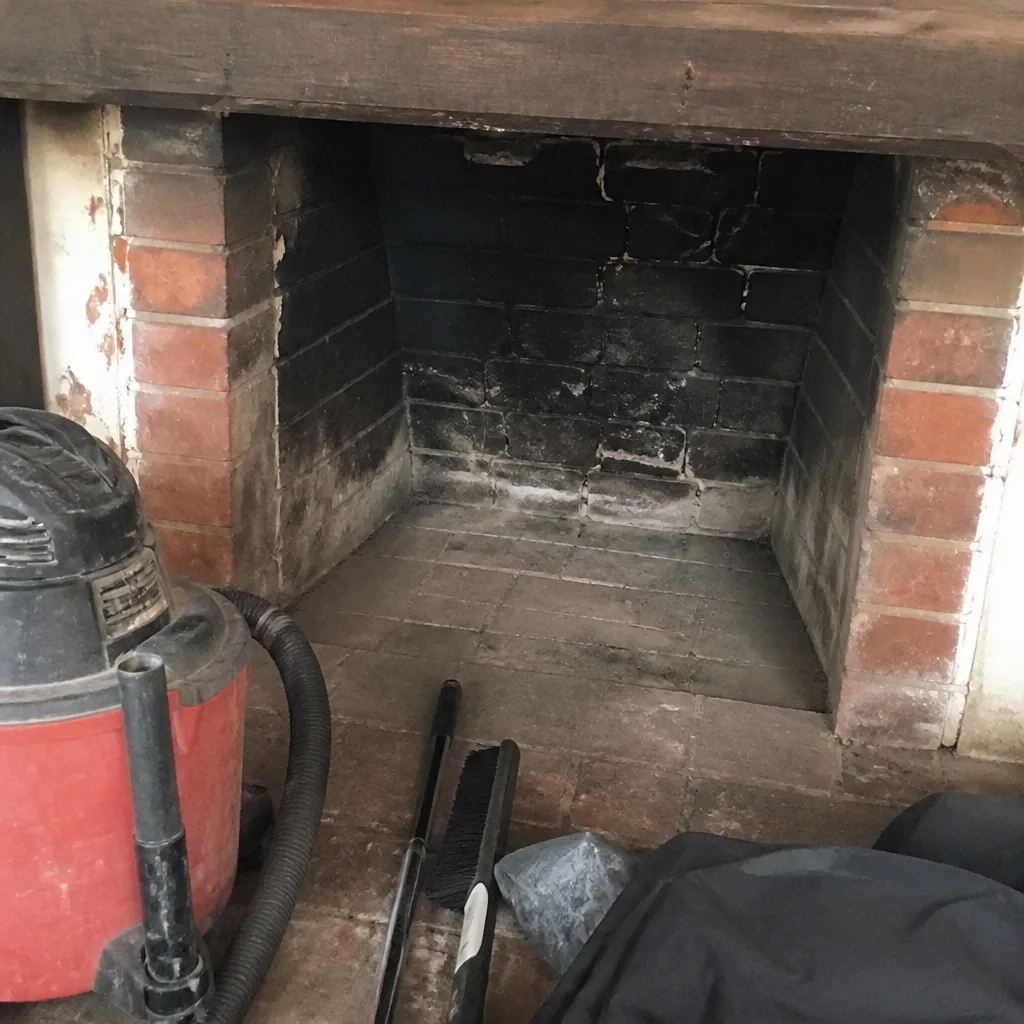 Before
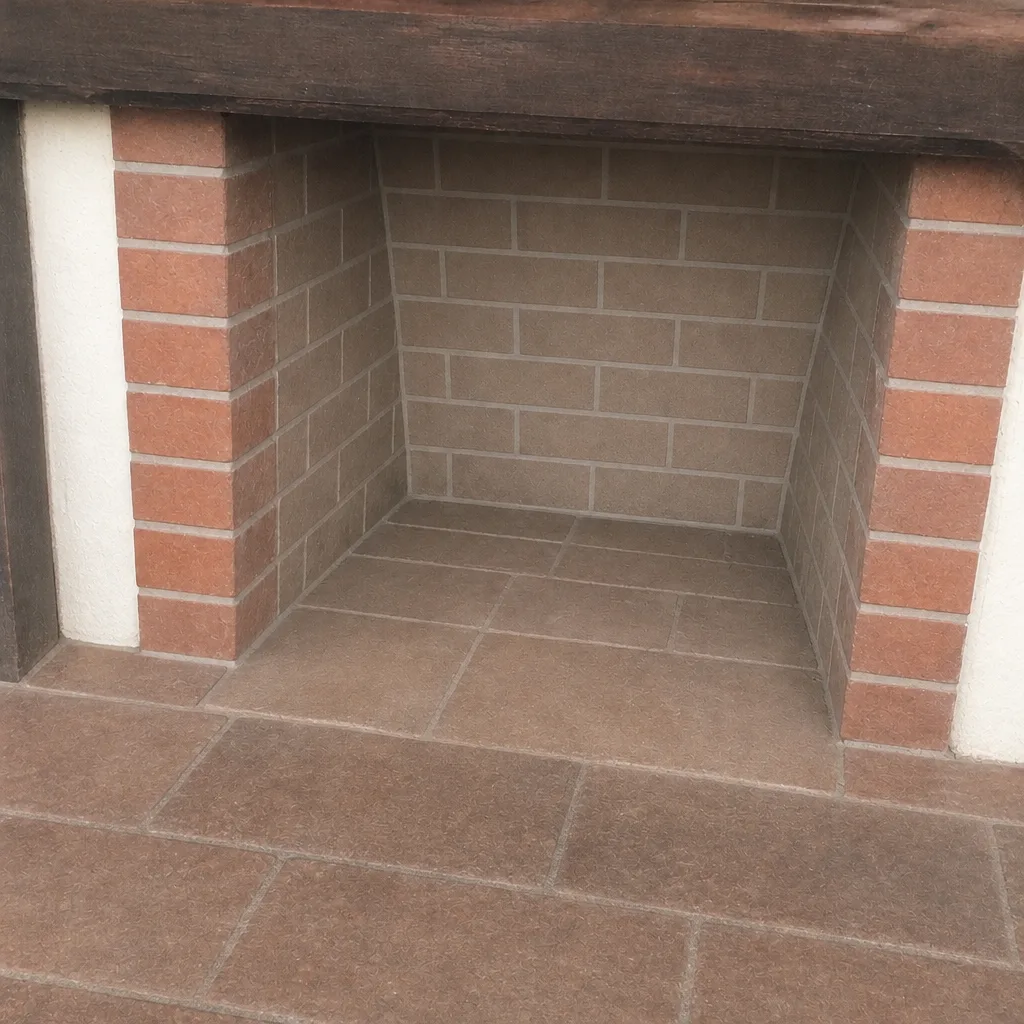 After
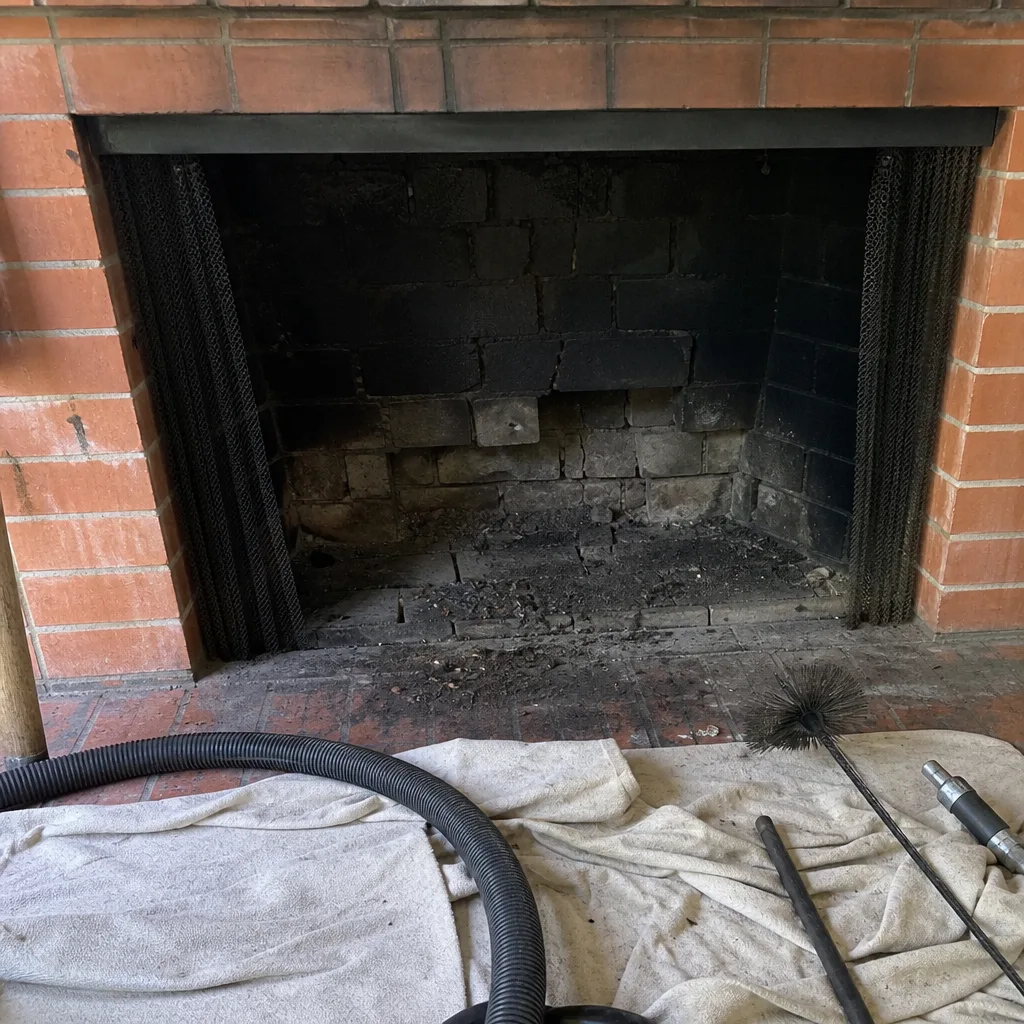 Before
 After
 Before
 After