
Last updated November 5, 2026
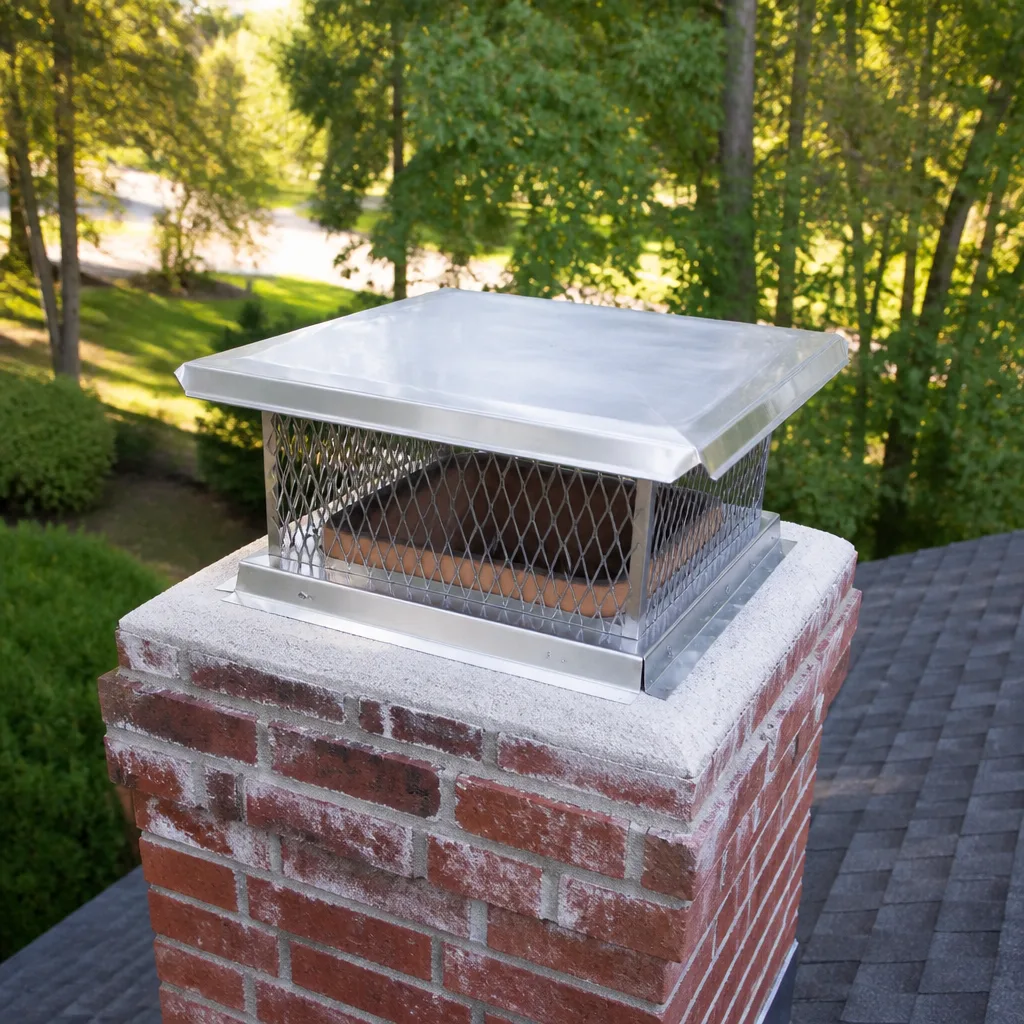 Sweep & inspection
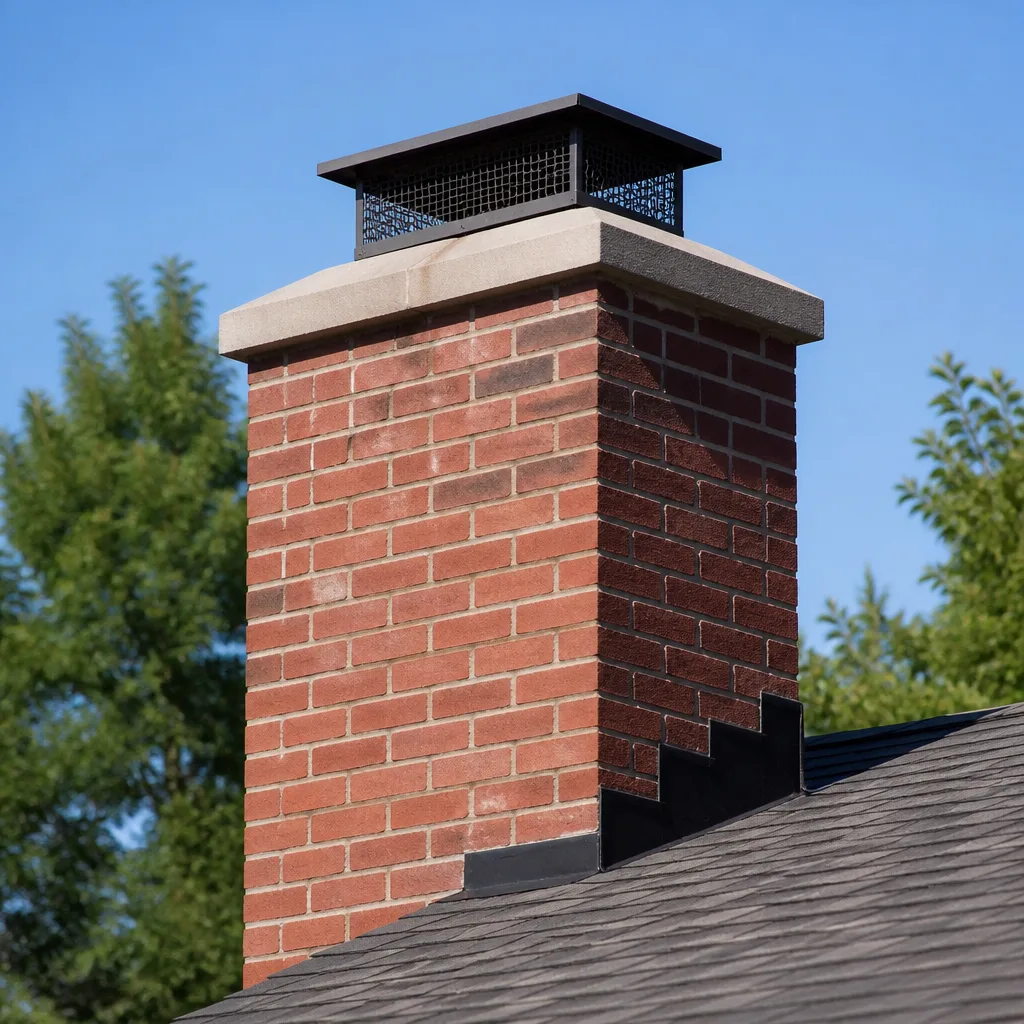 Caps & crowns
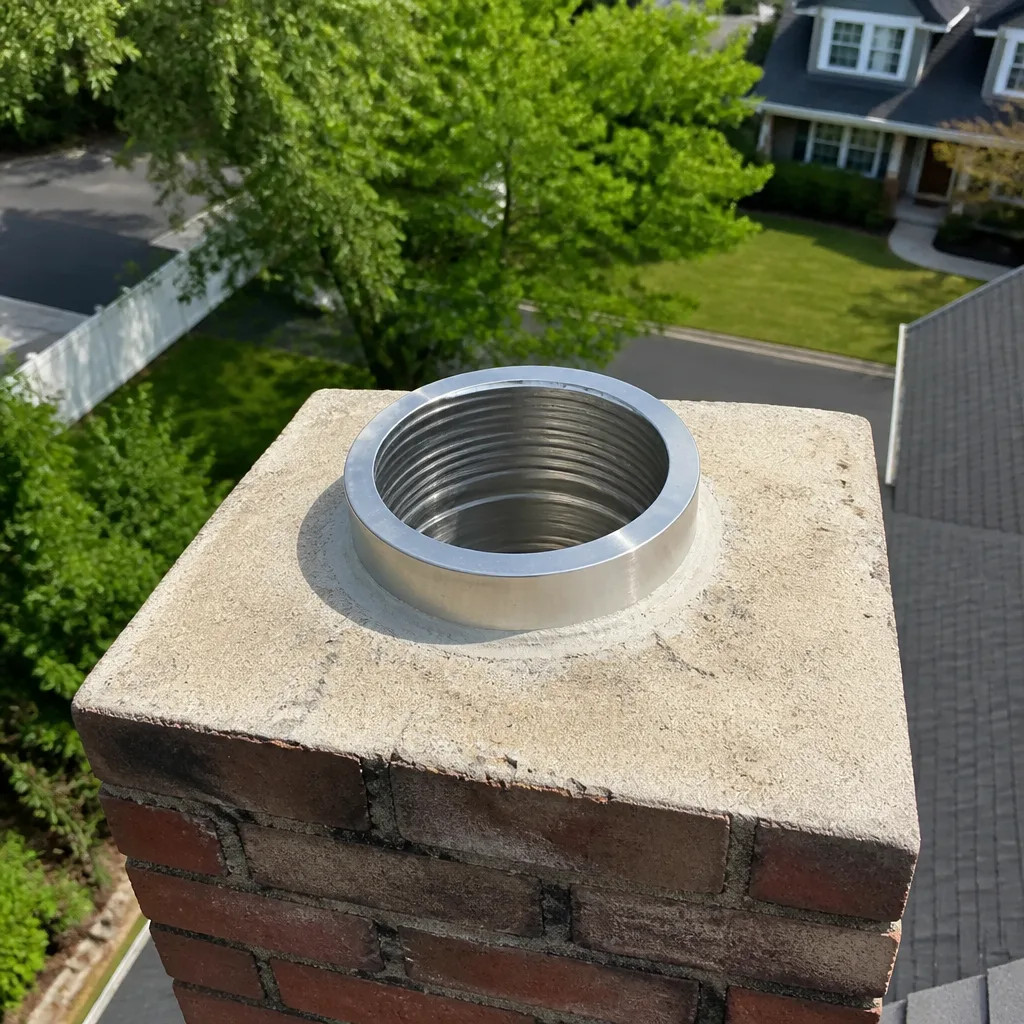 Flue relining
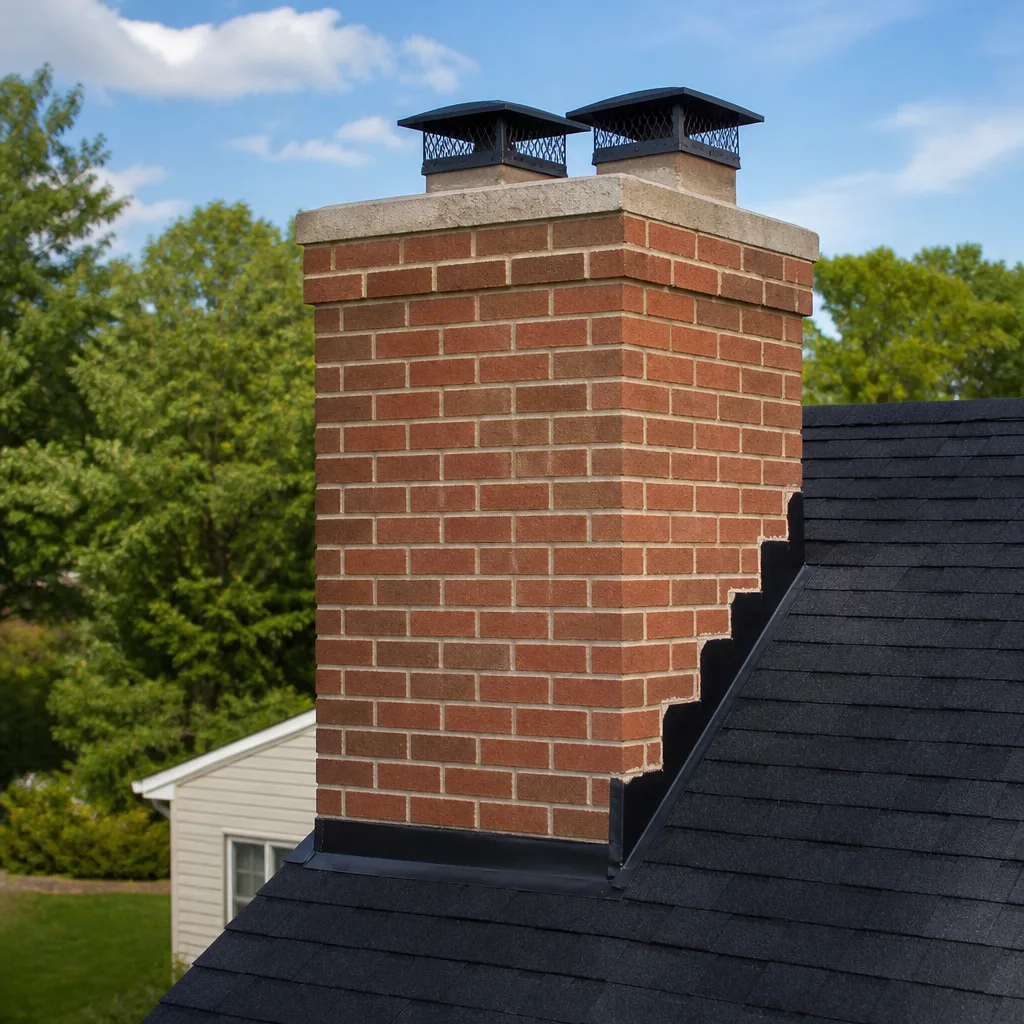 Masonry repair
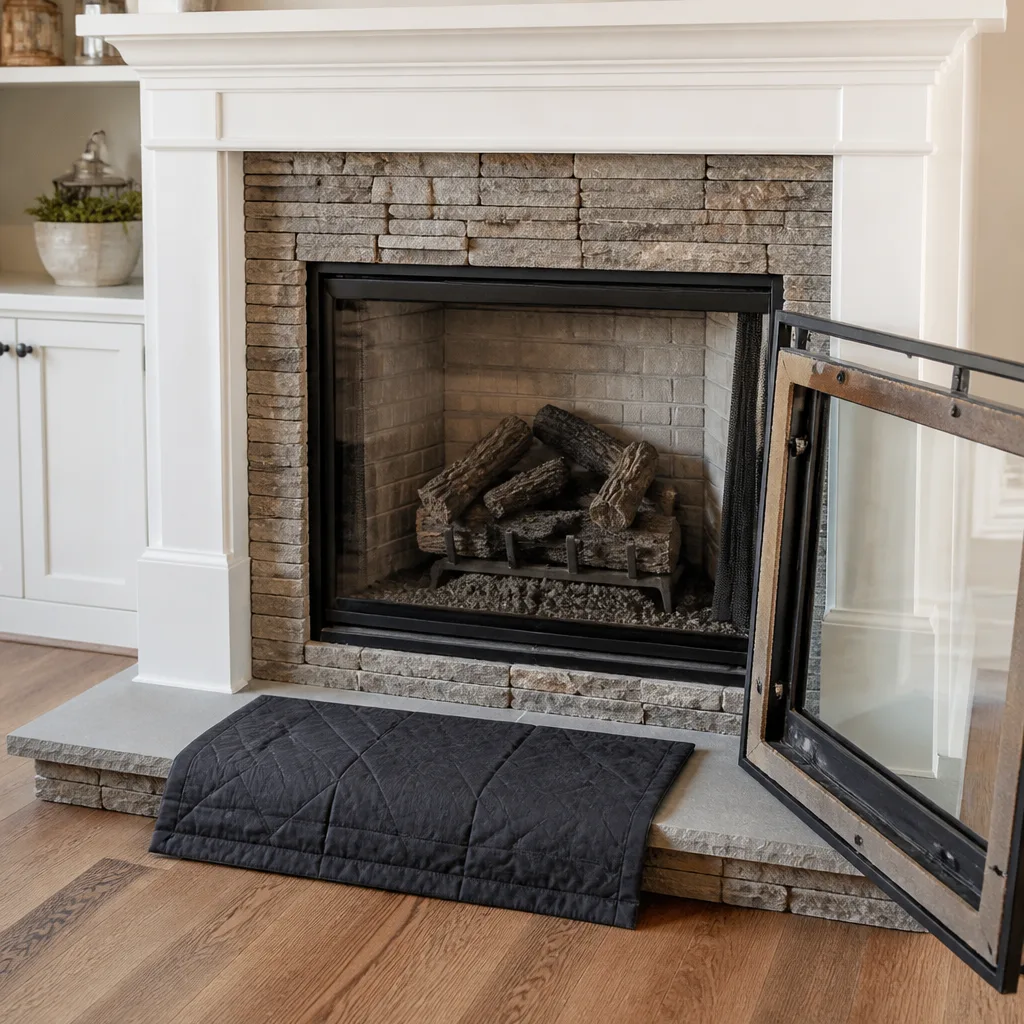 Gas fireplace service
Level 1 sweep and inspection to the NFPA 211 annual standard - flue, crown, cap, and flashing checked and photographed
Chimney sweep logs do not sweep chimneys. They loosen some creosote - which then falls where a brush and vacuum still have to collect it.
Choosing the Right Chimney Cleaning Brand: A Buyer’s Guide for Lake View Terrace
Most homeowners in Lake View Terrace spend more time choosing a paint color for the living room than they do choosing the materials that will line their chimney. That’s backwards. The paint gets repainted every few years anyway. The liner inside your flue might be there for twenty. When a crown sealant cracks after three summers and the contractor blames the weather, the real culprit is usually the product that was specified, not the person who applied it. This guide explains the professional-grade brands that certified chimney specialists actually use, what each one is for, and how to ask a contractor about materials before any work starts.
Styles & brands we work with
- Sweep & inspection
- Caps & crowns
- Flue relining
- Masonry repair
- Gas fireplace service
Quick Answer
The best chimney cleaning and repair companies in Lake View Terrace use professional-grade materials from recognized industry brands like HeatShield, Gelco, Olympia Chimney, and Famco rather than off-the-shelf substitutes. What matters most is not a single brand name but whether your contractor can name the specific products they use and explain why each one fits your chimney’s job. Homeowners who ask about materials before hiring get repairs that last significantly longer than those who don’t.
Table of Contents
- Why the Brand Name on Your Chimney Actually Matters
- Professional-Grade vs. Consumer-Grade: What’s the Difference?
- The Industry Brands Professionals Specify (and What They’re For)
- Stainless Liners: Wood Burning vs. Gas-Only Ratings
- Chimney Caps in a Dry, UV-Intense Climate
- How to Ask a Contractor About Materials (and What a Good Answer Sounds Like)
- Brands, Warranties, and the Paperwork You Should Keep
- Common Mistakes to Avoid
- When to Call a Professional
- Frequently Asked Questions
- The Bottom Line
Why the Brand Name on Your Chimney Actually Matters
Chimneys look simple from the outside: brick, mortar, maybe a metal cap on top. Inside, though, a working chimney is a system of engineered materials that all have to handle the same thing: heat, corrosive combustion gases, and years of temperature swings. The products that protect this system aren’t interchangeable.
Here’s what most people don’t see. A wood fire produces more than just heat. It produces acidic creosote, water vapor, and gases that eat away at whatever surface they touch. A gas appliance produces a slightly different set of byproducts, lower in temperature but high in moisture content. The difference between a liner that holds up for ten years and one that fails in three often comes down to whether the stainless steel alloy was specified for the right fuel type, and whether the sealant around it was made to handle continuous expansion and contraction.
In Lake View Terrace, where summer temperatures regularly climb into the high 90s and UV exposure is intense, the materials on the outside of your chimney face a different kind of stress. Crown coatings, caps, and exterior sealants have to endure direct sun day after day without breaking down. A consumer-grade sealant from a hardware store may work in a milder climate and fail quickly here. The professional products that hold up are the ones certified chimney technicians have been specifying for years, and that’s why the brand question matters. It’s not about snobbery. It’s about chemistry.
We’ve worked on chimneys throughout the northeast San Fernando Valley, including right here in Lake View Terrace, and the pattern is consistent. When a repair fails early, the cause is usually a product that was never rated for the specific job it was asked to do.
Professional-Grade vs. Consumer-Grade: What’s the Difference?
Walk into any hardware store and you’ll find chimney products on the shelf: caulk tubes labeled “high heat,” brush kits, chimney caps in a box. None of these are necessarily bad products. But they’re usually built for a different purpose than what a professional chimney company uses.
Professional-grade materials differ in three ways:
- Formulation. The sealants, mortars, and coatings professionals use are engineered for specific temperature ranges and chemical exposures. A high-temperature silicone rated to 500 degrees won’t survive inside a flue that reaches 1,200 degrees during a chimney fire or a hot wood burn. Professionals specify products matched to the actual conditions inside the appliance and flue.
- Testing and certification. Brands like Olympia Chimney and Famco manufacture products that pass UL listings and other industry testing standards. That testing process exists because failed components can cause house fires or carbon monoxide exposure. Consumer products often skip the testing or limit it to less demanding scenarios.
- Availability and support. Professional brands are sold through supply chains that serve contractors, not shelf-shoppers. That means the manufacturer offers technical support, installation documentation, and warranty terms written for real-world use. If a product fails and it was installed by an untrained hand, the manufacturer wants to know why.
None of this means a homeowner can’t buy professional products directly. It means most don’t know which one to buy for which application, and the result is a mismatch: the right product in the wrong place, applied without the prep work that makes it perform. That’s not a product failure. That’s a spec failure.
The Industry Brands Professionals Specify (and What They’re For)
Chimney companies that do repair work typically keep a small, tight list of brands they trust. That’s a good sign. A contractor who uses one brand for every conceivable job is either limiting their toolbox or doesn’t know the difference. A contractor who can’t name any brand is disqualifying. Here are the brands we work with at Shield Chimney Cleaning and what each one does.
HeatShield: Flue Resurfacing and Repair
HeatShield is a ceramic resurfacing system used to restore the interior of a damaged flue. Instead of tearing out and replacing a liner, HeatShield applies a ceramic coating that seals cracks, fills gaps, and restores a smooth, insulated surface. It’s a specialized, industry-recognized method for repairing flues that would otherwise require a full liner replacement. When a flue has minor to moderate damage, HeatShield can be the difference between a multi-thousand-dollar rebuild and a targeted, same-day repair. This is the kind of product that separates repair-capable companies from sweep-only operations.
Gelco: Crown and Chimney Top Sealants
Gelco manufactures chimney crown repair products, including waterproof sealants specifically formulated for the masonry crown at the top of the chimney. The crown takes a beating in Lake View Terrace’s intense sun. Gelco products are built for exactly that exposure, designed to prevent water penetration into the chimney structure while allowing the masonry to breathe. A crown that’s sealed with the right product stays intact for a decade. A crown sealed with whatever was on the shelf often shows cracking within two or three years.
Olympia Chimney: Liners, Caps, and Chimney Components
Olympia Chimney is one of the most widely recognized names in professional chimney supply. They manufacture stainless steel liners, caps, and a range of components used in everything from new liner installations to cap replacements. The reason professionals trust Olympia is consistency: the products are engineered to spec, they’re available in the sizes and configurations real chimneys need, and they’re backed by documentation that holds up when a warranty claim is filed. When we install a liner or replace a cap, we’re often using Olympia components because we know exactly what we’re getting.
Famco: Venting Components
Famco is a commercial-grade venting brand that most homeowners have never heard of. That’s fine. Famco makes components used in professional HVAC and venting installations: caps, terminations, and connections that hold up to years of heat and weather. In a chimney or dryer vent system, these are the pieces that keep the entire run airtight and properly terminated. The difference between a Famco termination and a generic substitute isn’t visible from the street, but it shows up over time in how well the system performs and how long it lasts.
What About Brands Not on This List?
There are other good brands in the industry. The point isn’t to memorize a catalog. It’s to understand that the brands exist, they serve different functions, and the contractor you hire should be able to name the ones they use and explain why. If a contractor tells you “we just use whatever the supply house has,” that’s an honest answer but not a reassuring one. If a contractor tells you “we don’t worry about brands, they’re all the same,” that’s a red flag.
Stainless Liners: Wood Burning vs. Gas-Only Ratings
One of the most common material mistakes we see in Lake View Terrace involves stainless steel liners and fuel type. Not all stainless liners are rated for wood burning, and the difference matters.
A wood-burning fireplace produces flue gases at much higher temperatures than a gas log set or gas insert. A gas-only liner is typically made from a lighter-gauge stainless alloy that handles the lower, wetter exhaust of a gas appliance perfectly well. Put that same liner in a chimney that will burn wood, and it may not hold up under the heat, especially during a hot, fast burn or a chimney fire. The steel can warp, the seams can split, and suddenly you have a pathway for heat and gases where you don’t want one.
For homeowners in Lake View Terrace who currently have a gas insert but might someday switch back to wood, this is a real consideration. Many houses in the northeast Valley were built with wood-burning fireplaces that were later converted to gas. If you’re installing a new liner now, choosing a wood-rated stainless liner means you’re not limited later. It’s a modest cost difference now and a significant restriction avoided later. A professional chimney company will ask about your current fuel and your future plans before recommending a liner. If nobody asks, that’s another red flag.
Wood-rated liners also typically carry different clearances and installation requirements than gas-only liners. They need proper insulation around the liner in many installations, and the termination at the top of the chimney must be correct for wood exhaust temperatures. These are code-level details, and they’re exactly the kind of thing that gets missed when someone treats all liners as interchangeable.
Chimney Caps in a Dry, UV-Intense Climate
Chimney caps are where Lake View Terrace’s climate shows up most clearly in material choices. This part of the San Fernando Valley gets some of the most intense UV exposure in Los Angeles County, with clear, dry skies and summer temperatures that routinely break 100 degrees. A cap that looks fine in year one can look pitted and corroded by year four if it was built from the wrong material.
There are two common cap materials: galvanized steel and stainless steel. Galvanized is cheaper, and for a chimney that gets minimal weather exposure, it can be perfectly adequate. Stainless costs more upfront but holds up dramatically better under sustained UV and heat. In Lake View Terrace’s climate, the long-term cost difference often favors stainless. A galvanized cap replaced twice in ten years costs more than the stainless cap that would have still been on year one’s chimney.
Beyond the cap itself, the same logic applies to the chase cover on a prefab or factory-built chimney. Chase covers see the same sun and the same temperature swings. A stainless chase cover with a professionally applied sealant from a brand like Gelco is a ten-year component. A galvanized cover with a bead of hardware-store caulk is a three-year component. The pattern repeats across the entire chimney system: the brand and material decision you make once determines whether you’re on the phone again in three years or not.
How to Ask a Contractor About Materials (and What a Good Answer Sounds Like)
This is the section to bookmark. You don’t need to become a chimney expert to hire one. You need to ask two or three specific questions and listen to how the answer lands.
- Ask what liner or repair products they use, by name. A confident contractor answers immediately: “We use HeatShield for flue resurfacing and Olympia or DuraFlex for liner installs.” A contractor who deflects with “we use the best stuff available” or “doesn’t matter, they’re all the same” is telling you they don’t know or don’t care.
- Ask why they chose that brand for your specific job. The answer should reference your chimney’s conditions: “Your liner is showing spalling, so HeatShield is a better fit than a full replacement because the damage is moderate.” If they can’t connect the material to the job, they’re selling a product, not solving a problem.
- Ask for documentation after installation. Professional-grade products often come with warranty documentation that should be passed to you at the end of the job. If the contractor is willing to put the product name and warranty info in writing, that’s a strong signal. If they avoid it, ask yourself why.
We’ve been asked these questions by customers before, and we welcome them. A homeowner who asks about materials is a homeowner who’s going to take the chimney seriously. That’s exactly who we want to work with.
Brands, Warranties, and the Paperwork You Should Keep
Every professional-grade chimney product carries some form of manufacturer warranty. The terms vary by brand and product type, but the existence of a warranty is part of what separates professional materials from consumer substitutes. The catch: warranties are only as good as the documentation trail.
When a chimney company installs a liner, applies a resurfacing system, or replaces a cap using branded products, the homeowner should leave the job with:
- The product name and model or series identifier, where applicable
- The installation date
- The manufacturer’s warranty terms in writing
- Any registration numbers or confirmation documents if the manufacturer requires registration
Not every product requires registration, but most manufacturers will honor a warranty claim more smoothly when the installation is documented. A contractor who provides this paperwork without being asked is signaling that they stand behind both their work and the products they use. A contractor who doesn’t provide it, or who brushes off the request, is telling you something too.
In Lake View Terrace, where the sun beats on chimney tops for months at a stretch, warranty terms matter. A sealant with a ten-year manufacturer warranty and a documented installation date is a much stronger position than a sealant with no warranty and no paper trail. When we repair a crown or install a liner, we’re specific about what product went on and why. If there’s ever a question later, the answer is written down.
Common Mistakes to Avoid
- Hiring a sweep-only company for a repair job, then having to hire someone else when the damage is found. A chimney sweep who can’t do repair work will either pause the job and leave you to find someone else, or they’ll clean anyway and hand you a list of problems you now have to solve with a second contractor. Ask upfront whether the company handles both sweeping and repair. Chimney sweep work and repair work are different skill sets, and not every company has both.
- Assuming the cheapest quote uses the same materials as the highest quote. It rarely does. A $200 crown seal job probably uses a tube of hardware-store caulk. A $400 crown seal job uses a professional-grade product like Gelco with the prep work done right. The $200 job often costs $600 when it fails in two years and now needs masonry repair too.
- Not asking what your liner is rated for before installing a new one. If you have a gas insert now and might want wood later, a gas-only liner limits your options. The time to ask is before the liner goes in, not after the gas insert is replaced.
- Treating the chimney cap as a cosmetic decision. In Lake View Terrace’s UV-heavy climate, a galvanized cap is a short-term purchase. Stainless is the long-term play. The cost difference is real but smaller than the cost of replacing a corroded cap twice.
- Skipping the chimney inspection and going straight to cleaning. A cleaning without an inspection is like washing a car without checking the brakes. The visible result looks fine, but you’ve learned nothing about the system’s actual condition. A proper chimney sweep includes a full inspection of the flue, the smoke chamber, the crown, and the cap.
- Hiring based on price rather than materials and process. Chimney work is not a commodity. The industry runs on a relatively small number of professional-grade brands, and companies that use them consistently charge what that costs. A quote far below the market is usually low because something is being cut, and the cut is usually in materials or prep work.
- Forgetting the dryer vent. Your chimney is one ventilation system in your home, but your dryer vent is another. Lint buildup in a dryer vent is a house fire risk, and the same principle applies: dryer vent cleaning done with professional tools and materials works better and lasts longer than a cheap brush-and-go. If the same company handles both, you have one point of accountability instead of two.
When to Call a Professional
Some things are better learned by phone than by trial. If you’re seeing dark staining on the wall above your fireplace, that’s often moisture or creosote working through the masonry, not just cosmetic soot. If you smell smoke when the fireplace isn’t in use, or the room feels warmer near the chimney than it should, stop using the fireplace and call someone who can inspect it properly. If your carbon monoxide detector has gone off near the fireplace or utility room, that’s an immediate call, not a wait-and-see. And if you don’t know what products are currently on your chimney, or what condition the liner is in, the only way to know is to look. Shield Chimney Cleaning offers free estimates in Lake View Terrace. Call (833) 593-4561. We answer 24/7. Fast dispatch from 7am to 7pm, Sunday through Friday.
Frequently Asked Questions
Chimney sweep pricing in Lake View Terrace typically ranges from $180 to $340 for a standard cleaning with inspection, depending on the chimney’s size, condition, and how long it’s been since the last cleaning. The written estimate sets the exact price before any work begins. Call (833) 593-4561 for a free estimate.
Not always. Moderate flue damage can often be repaired with a ceramic resurfacing system like HeatShield rather than a full liner replacement. A camera inspection should be done first to see the extent of the damage. If the cracks are limited and the structure is sound, resurfacing is often the right fix. If the damage is deeper, a new liner is the safer choice. A good contractor will show you the camera footage and explain the recommendation before you spend anything.
For a wood-burning fireplace used regularly during the burning season, once a year is the standard. For a gas fireplace, every one to two years depending on use. The National Fire Protection Association recommends inspection at least once a year regardless of fuel type. If you burn unseasoned wood or the fire smokes more than usual, schedule sooner.
Creosote builds up on the flue walls over time, and creosote is flammable. A thick enough layer can ignite and cause a chimney fire, which can spread to the rest of the house. In gas appliances, skipping careful maintenance can allow carbon monoxide to back up into the living space. The stakes are real. The cleanup cost after a chimney fire is far higher than the cost of the sweep that would have prevented it.
Yes, in most cases. The UV exposure and summer heat in Lake View Terrace shorten the life of galvanized caps significantly. A stainless cap costs more upfront but often lasts two to three times longer, making it the less expensive choice over time. The same logic applies to chase covers and other exterior chimney components.
HeatShield is a ceramic flue resurfacing system that restores the interior surface of a damaged chimney flue. It seals cracks and gaps, creates a smooth passage for exhaust, and insulates the flue from heat transfer. It’s used when damage is moderate and the flue structure is otherwise sound, avoiding the cost and disruption of a full liner replacement. The product is applied by trained professionals, not sold directly to homeowners.
The Bottom Line
The brand on your chimney matters because the brand represents a specification: what temperature the product can handle, what chemical exposure it tolerates, and how long it lasts under Lake View Terrace’s sun. Homeowners who ask about materials get better repairs. Homeowners who don’t ask often pay for the same chimney twice. Look for a contractor who can name the products they use, explain why each one fits your specific chimney, and hand you the documentation when the job is done. That’s the difference between a company that cleans chimneys and a company that protects homes.
Written by the team at Shield Chimney Cleaning, serving Lake View Terrace since 2013.
See the difference
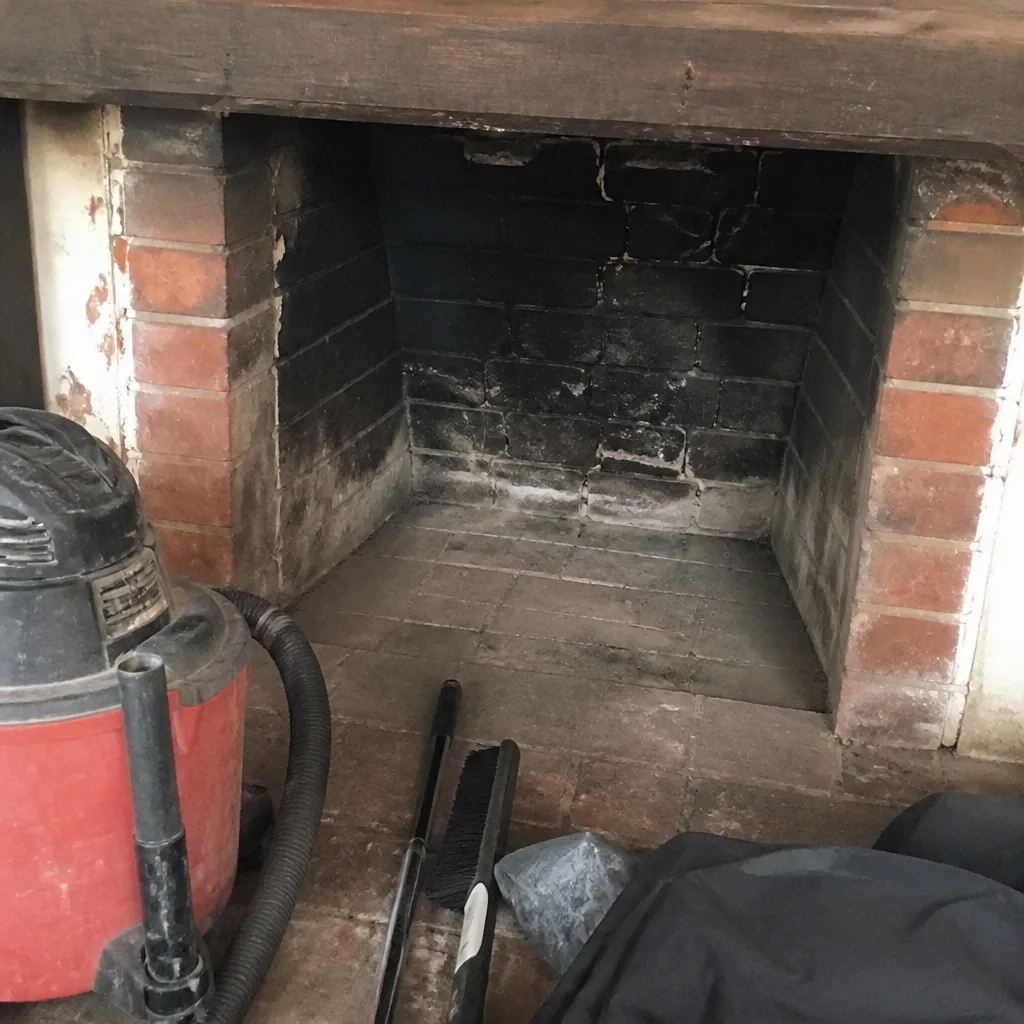 Before
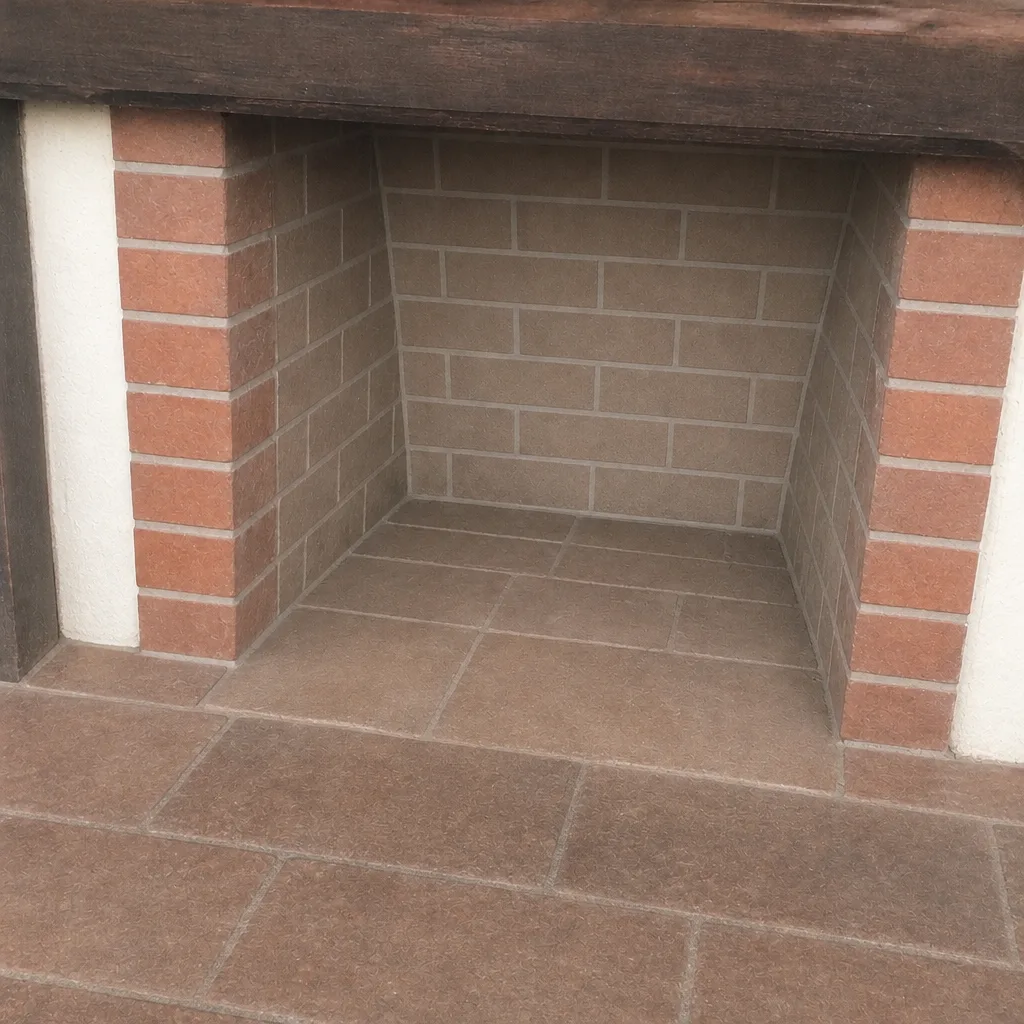 After
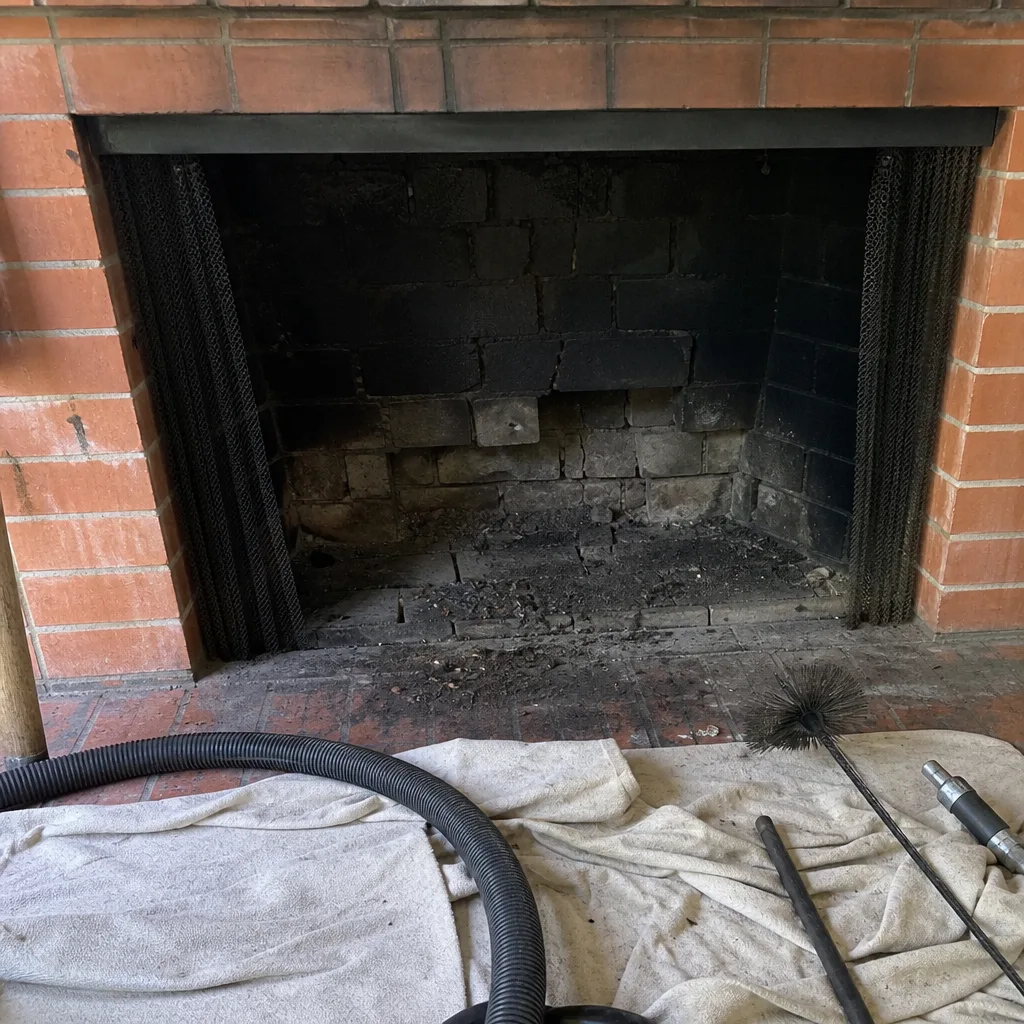 Before
 After
 Before
 After