
Last updated November 5, 2026
 Sweep & inspection
 Caps & crowns
 Flue relining
 Masonry repair
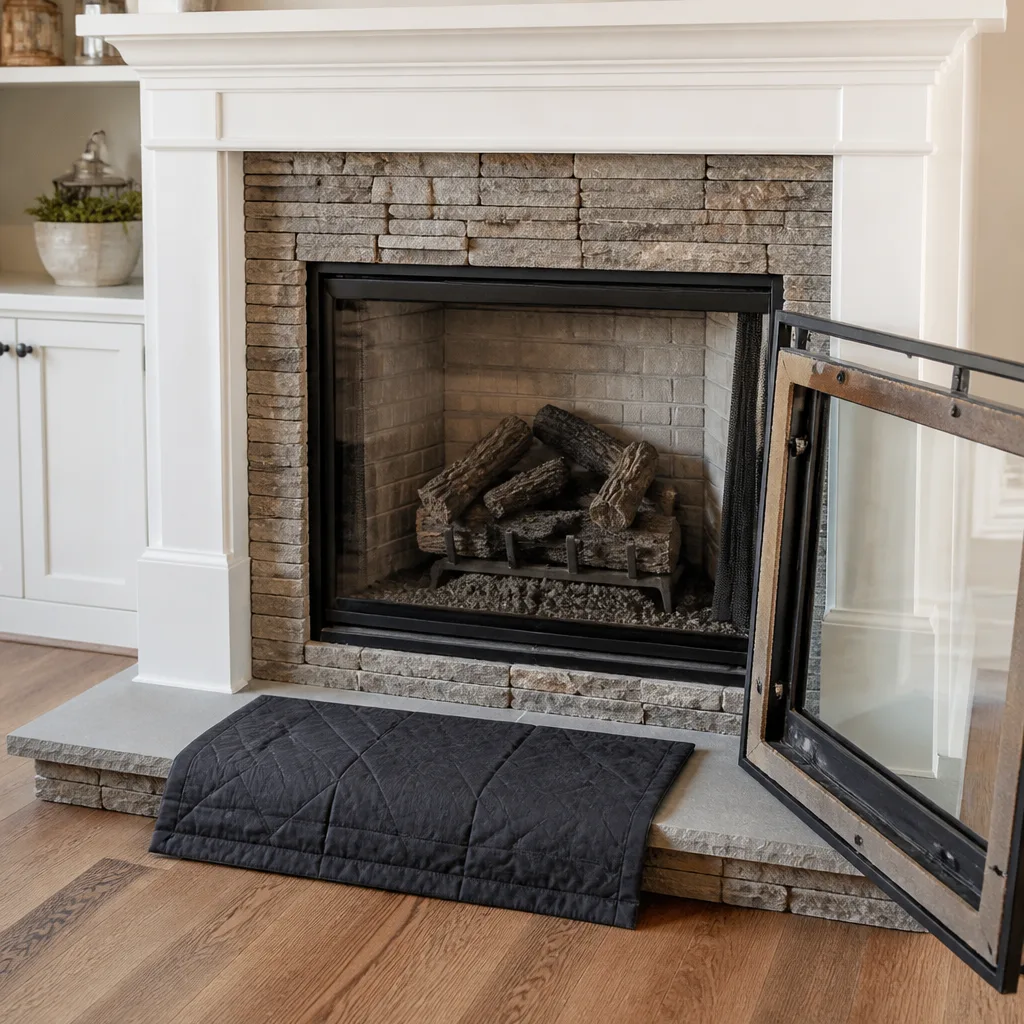 Gas fireplace service
Level 1 sweep and inspection to the NFPA 211 annual standard - flue, crown, cap, and flashing checked and photographed
Chimney sweep logs do not sweep chimneys. They loosen some creosote - which then falls where a brush and vacuum still have to collect it.
Chimney Sweep Maintenance Schedule: What to Do and When
Ask five different homeowners in Lake View Terrace how often a chimney needs sweeping and you’ll likely get five different answers. Most of them will be wrong, and that is not their fault. The standard advice has been flattened into a one-line rule that ignores the single most important variable in chimney maintenance: what you actually burn, and how often you burn it. This guide replaces the generic annual-sweep rule with a schedule built around your specific setup, because a wood fireplace used four nights a week all winter and a gas insert lit twice a year are maintaining entirely different systems on entirely different timelines.
Quick Answer
Wood-burning fireplaces used regularly should be swept after every cord of wood burned, or at minimum once per year before first fall use. Gas fireplaces and gas inserts need a professional inspection and cleaning every 2 to 3 years, or sooner if you notice soot, odd smells, or flame color changes. Dryer vents should be cleaned every 12 to 18 months for most households, and more often for large families. The trigger is not the calendar date; it is how much fuel has moved through the flue since the last cleaning.
Styles & brands we work with
- Sweep & inspection
- Caps & crowns
- Flue relining
- Masonry repair
- Gas fireplace service
Table of Contents
- The Wood-Burning Fireplace Maintenance Track
- The Gas Fireplace and Insert Schedule
- Pellet Stove Maintenance: A Different Hazard Profile
- Dryer Vent Cleaning: The Parallel Schedule
- Annual Tasks vs. Every 3-5 Year Inspections
- The Burn-Log Method: Data-Driven Service Triggers
- Why Timing Matters in Lake View Terrace
The Wood-Burning Fireplace Maintenance Track
Wood fireplaces produce the most creosote, and creosote is the reason sweeps exist. When wood burns, smoke carries unburned particles up the flue. Those particles condense on the cooler flue walls as creosote, a tar-like substance that ranges from flaky and brushable to hard and glazed. Creosote is combustible. A thick enough layer turns a chimney fire from possibility into probability.
The maintenance trigger for a wood-burning fireplace in Lake View Terrace is the amount of wood you burn, not the months since your last sweep. A cord is a stack of wood measuring 4 feet high, 4 feet wide, and 8 feet long. If you burn a full cord over the season, the flue has moved enough particulate to warrant a sweep before the next burn season begins. If you burn two cords, you likely need two sweeps, one mid-season and one at the end.
Here is the realistic schedule based on usage patterns we see across Lake View Terrace:
- Heavy use (three or more fires per week from October through March): Sweep before first fall use, then again mid-season. Twice annually is the floor for this burn rate.
- Moderate use (one or two fires per week during the cooler months): Sweep once before first fall use every year. This is the classic sweep interval and it exists for good reason.
- Light use (a fire or two on cool evenings, or only during holiday gatherings): Schedule a sweep every 18 months. A small amount of creosote still forms, but it accumulates slowly enough that an annual visit is over-servicing.
- Rare use (you cannot remember the last fire): Have the flue inspected every 2 years. Creosote may be minimal, but animals, debris, and flue tile degradation do not wait for you to light a match.
One point worth stating plainly: a wood fireplace in Lake View Terrace does not get the freeze-thaw punishment that chimneys in colder climates endure. Winters here are mild, which means the masonry and flue tiles are not constantly expanding and contracting through ice cycles. That is good news. But it also means creosote is your primary enemy, not structural weathering, and creosote is entirely a function of how much you burn.
The Gas Fireplace and Insert Schedule
The annual-sweep recommendation was written for wood-burning systems. A gas insert or gas log set produces no creosote, no soot in the traditional sense, and almost no particulate buildup. Slapping a wood-burning maintenance schedule onto a gas appliance is not just unnecessary; it can lead to a false sense of completion where the actually important maintenance item gets skipped.
Gas fireplaces do accumulate deposits. Natural gas burns clean, but not perfectly clean. Over time, a fine white or gray film forms on the logs, the burner ports, and the glass. This film can affect flame pattern and efficiency. More importantly, gas systems have components that need eyeballing: vent connections, gaskets, thermocouples, and the integrity of the flue where the gas vents. A blocked or partially blocked vent on a gas appliance is a carbon monoxide risk, and carbon monoxide is colorless and odorless.
The correct interval for a gas fireplace in Lake View Terrace:
- Gas fireplace used regularly (a few nights per week during winter): Professional inspection and cleaning every 2 years.
- Gas fireplace used occasionally (a few times per month or seasonally): Professional inspection every 3 years.
- Gas insert that runs as a primary heat source: Annual inspection is not overkill here, because the appliance works continuously and any vent degradation compounds quickly.
- You notice soot, a different flame color, a smell, or the glass is heavily filmed: Do not wait for the calendar. Those are signs the system is not venting or burning correctly, and the schedule no longer matters.
Our team at Shield Chimney Cleaning has seen gas inserts that looked fine from the living room but had cracked vent pipe or a blocked termination cap above the roofline. The fire was on, the fan was running, and the homeowner had no idea the system was quietly under-ventilating. A gas system inspection is as much about the exhaust path as it is about the firebox.
Pellet Stove Maintenance: A Different Hazard Profile
Pellet stoves split the difference between wood and gas, and they deserve their own maintenance track. A pellet stove burns compressed sawdust pellets, which are dense and dry. The combustion is more controlled than a wood fireplace, but it still produces ash and some creosote, especially if the pellets are lower grade or the stove is not cleaned regularly.
Pellet stoves are also more complicated mechanically than a fireplace. They have hoppers, augers, fans, and circuit boards. The ash can accumulate in the burn pot, the heat exchanger tubes, and the vent pipe. A clogged vent on a pellet stove forces exhaust back toward the living space, which is not a scenario you want to discover by smell.
The pellet stove maintenance schedule:
- Weekly during burn season: Empty the burn pot and ash drawer. This is a homeowner task, not a service call. A full burn pot affects combustion efficiency.
- Monthly during burn season: Clean the heat exchanger tubes and check the hopper for fines (the sawdust that settles at the bottom). Excess fines jam the auger.
- End of season, before shutdown: A full professional cleaning of the vent pipe and internal passages. Pellet exhaust deposits are acidic when mixed with moisture, and they corrode vent pipe if left sitting.
- Annually: Have the door gaskets checked and the exhaust system inspected. Obvious pellet service includes a chimney sweep of the vent path.
Pellet stoves are less common in Lake View Terrace than wood fireplaces or gas inserts, but they do exist in homes that want a renewable fuel source without managing cordwood. The maintenance principle is the same: follow the fuel. Ash is fuel residue, and where it accumulates, it must be removed.
Dryer Vent Cleaning: The Parallel Schedule
Most homeowners do not think of their dryer vent as part of the chimney and venting system, but it belongs in the same maintenance calendar. Your dryer exhausts hot, damp air loaded with lint through a duct that runs inside a wall or through the attic. Lint is combustible. It also absorbs moisture, which makes it cling to the inside of the duct. Over time, the duct narrows. The dryer runs hotter, takes longer to dry clothes, and the lint gets a little more packed with every cycle.
The trigger for dryer vent cleaning is not the calendar alone. It is household size and load volume.
- Household of one or two, laundry a few times per week: Clean the dryer vent every 18 to 24 months.
- Household of three or four, laundry most days: Clean the dryer vent every 12 to 18 months.
- Household of five or more, or you run the dryer daily: Clean the dryer vent every 12 months.
- You have dogs or cats: Pet hair adds to the lint load and shortens every interval above by several months.
- Clothes are taking longer than one cycle to dry, or the outside vent flap does not open when the dryer runs: The vent is already restricted. Do not schedule this one out.
The logic here is simple and it mirrors the chimney schedule: the amount of material moving through the duct determines service frequency, not a date on the calendar. A single person running one load per week produces far less lint than a family of six running the dryer twice daily.
Annual Tasks vs. Every 3-5 Year Inspections
Most chimney maintenance advice lumps everything into “call a sweep once a year” and leaves it there. That is not precise enough. Different components of a chimney and venting system degrade at different rates, and treating them all as annual items is how homeowners either overpay for unnecessary work or miss a slow-developing problem entirely.
Here is the breakdown by component:
Every Year (or per burn season)
- Chimney sweep and flue cleaning: For wood-burning systems in regular use. Gas systems do not need an annual sweep.
- Flue inspection: A visual check by a professional, looking for creosote accumulation, blockages, and obvious flue tile damage.
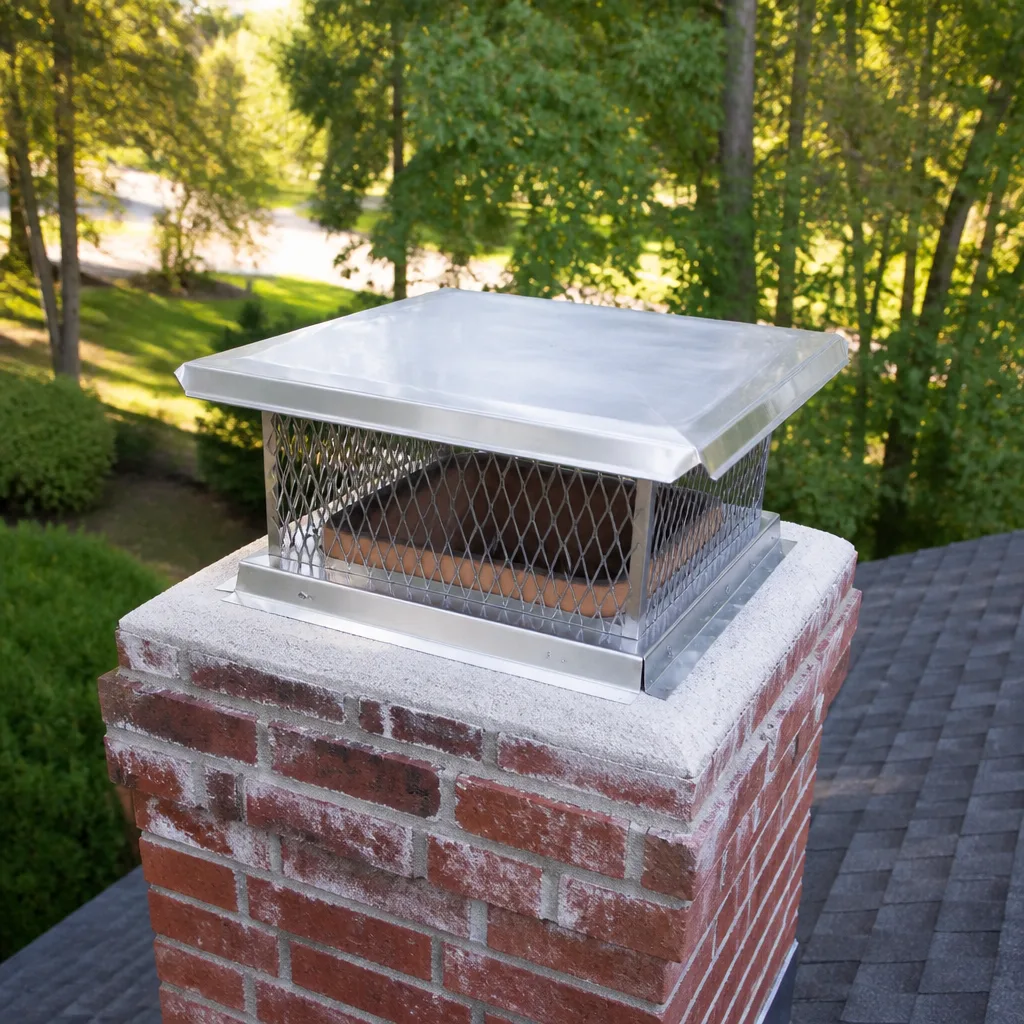
- Cap and spark arrestor check: The cap at the top of the flue should be present, unclogged, and physically intact. A missing or crushed cap lets rain and debris into the flue and gives animals a direct path down.
- Damper operation check: The damper should open fully, close fully, and seal reasonably well. A warped or stuck damper is a safety and efficiency issue.
Every 3 to 5 Years
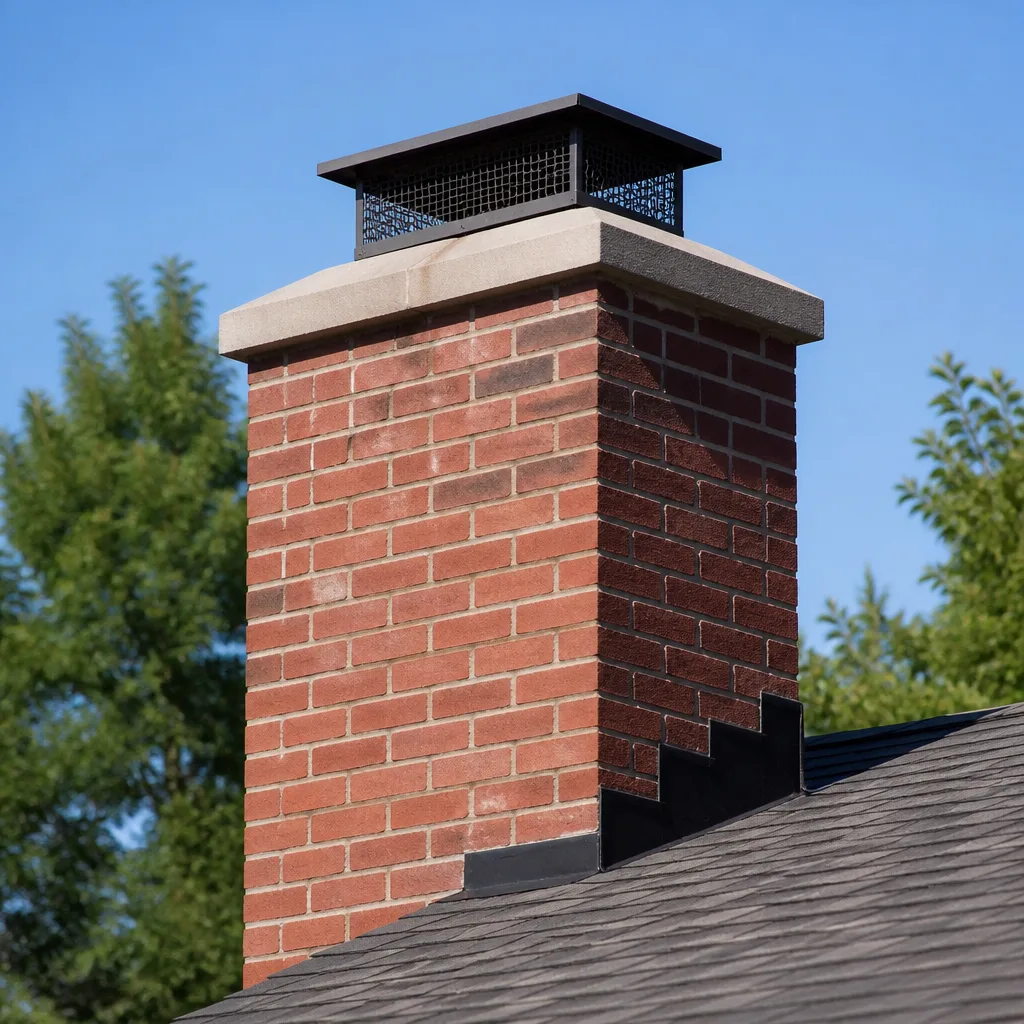
- Crown condition inspection: The concrete crown that caps the chimney has to shed water. A cracked or spalled crown lets water into the underlying masonry, and water is the slow killer of any chimney in any climate, including mild Lake View Terrace.
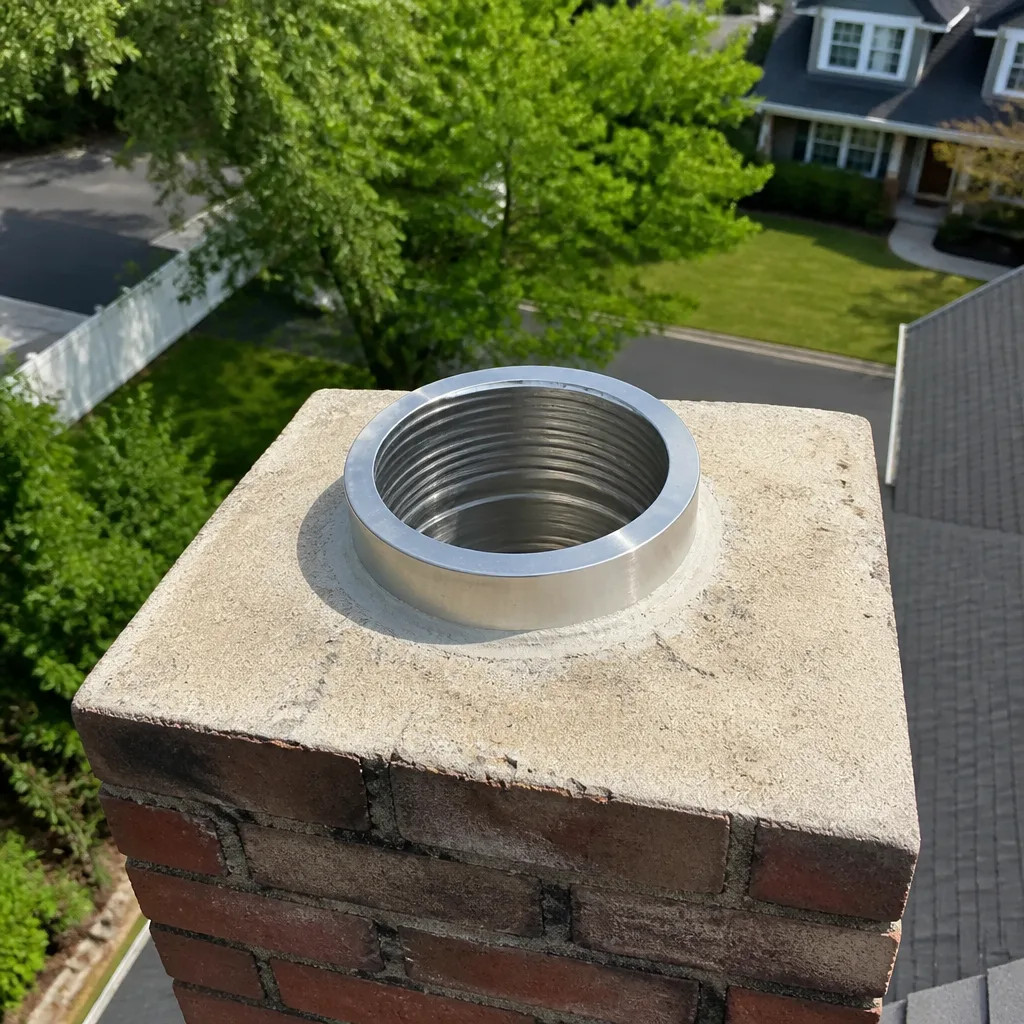
- Flue relining assessment: Older chimneys often predate modern liner requirements. The flue liner should be checked for cracks, gaps, and spalling. A damaged liner is a fire and carbon monoxide risk. When we find liner damage on a chimney in Lake View Terrace, we talk about repair options including Lake View Terrace flue restoration.
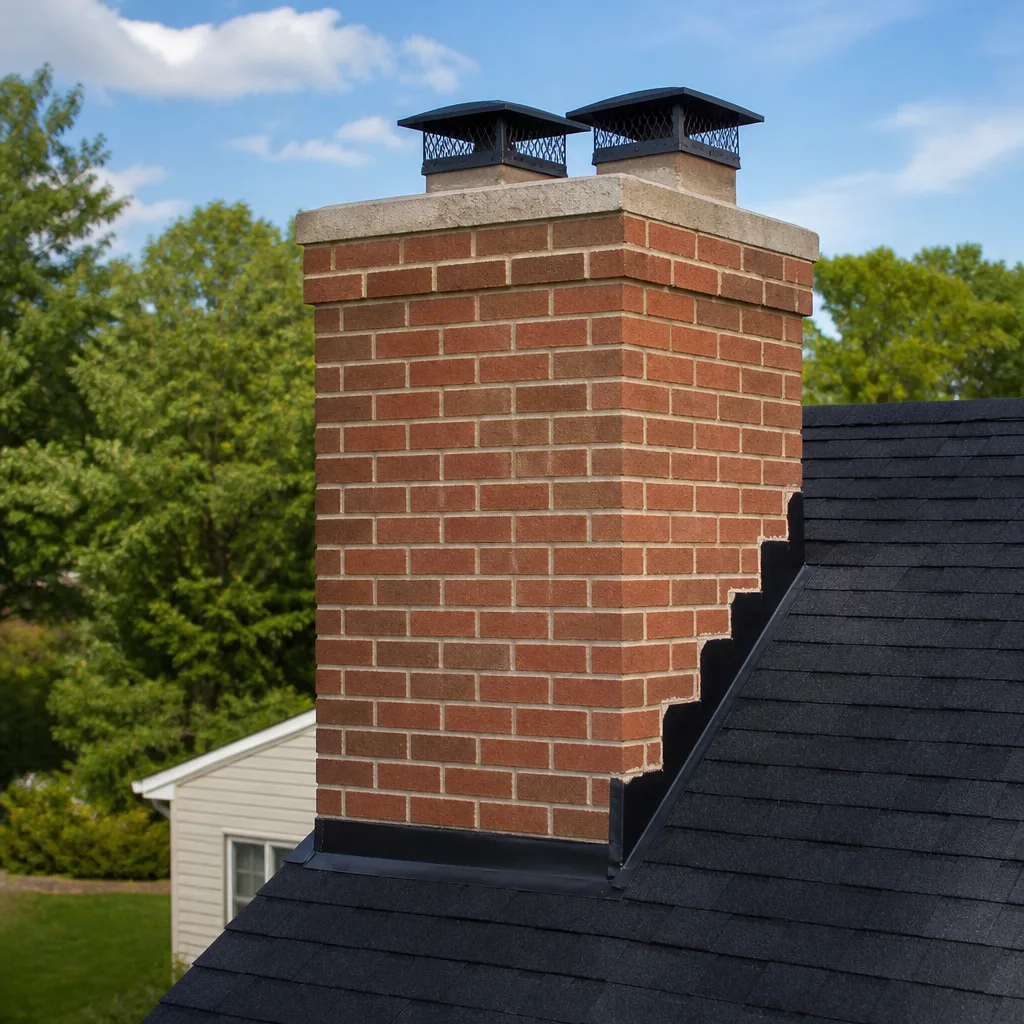
- Masonry and mortar joint review: The bricks and mortar joints absorb heat and weather for years. A 3 to 5 year look at the mortar joints catches repointing needs before they cascade into structural repair.
The point of this split is to stop the pattern of calling a sweep every year and assuming that addresses everything. A sweep cleans the flue. It does not resurface a deteriorating crown or rebuild a flue liner. Those are separate maintenance items with longer intervals, and the only way to know when they are due is to look at them.
The Burn-Log Method: Data-Driven Service Triggers
You do not need a complicated app or a maintenance degree to know when your chimney is due for service. You need a burn log. The burn log is the simplest data tool in home maintenance, and it converts guessing into a service trigger you can actually act on.
Here is how it works:
- Get a small notebook or a notes app. Keep it near the fireplace or the wood storage.
- Each time you light a fire, write down the date and estimated burn hours. A three-hour fire gets logged as 3 hours. A five-hour fire gets logged as 5. Round to the nearest hour.
- Each time you add wood, estimate the quantity. A standard log is roughly a quarter cubic foot. Four logs is about a cubic foot. No need to be precise; estimate is fine.
- Track totals against these triggers:
- 40 to 50 burn hours: Schedule your next sweep. At this point, enough creosote has formed on the flue walls that a mid-season or pre-season cleaning is warranted.
- One full cord of wood burned: Same trigger. A cord is about 128 cubic feet, and if you log 128 cubic feet of wood through the fireplace, the sweep is overdue.
- Notice a change. If you hear a fluttering or rumbling sound from the chimney, or if smoke starts spilling into the room instead of drafting up, stop burning and call. Those are mechanical signs, not calendar signs.
- Reset the log after each sweep. The counter starts over, because the flue is clean again.
The burn-log approach is not about making homeowners into chimney technicians. It is about giving you a reason to call that is based on your actual usage rather than a generic annual recommendation written for someone else’s fireplace. When you call Shield Chimney Cleaning and tell us you have burned 45 hours since your last sweep, we know exactly what condition the flue is likely in before we even look at it.
Why Timing Matters in Lake View Terrace
Lake View Terrace has a fire season, but it is not the fire season most of the country thinks about. We are not dealing with a furnace running six months straight or a chimney stack fighting sub-zero temperatures. Winters here are mild, which means the fireplace tends to run in bursts: cool mornings, chilly evenings, the stretch from late fall through early spring when the house is genuinely cold for an hour or two at a time.
That pattern has a maintenance implication. Because the burn season is irregular, a post-season sweep in the spring often finds a flue that has barely been used since February. The creosote that formed during those cool evenings has been sitting on the flue walls for months, hardening and becoming more difficult to remove. The smarter move is a late-summer inspection before the first fall fire. The flue has been dormant for months. Any creosote present is what it is, and the sweep removes it before it gets baked on by the first fire of the season.
Here is the timing logic for a Lake View Terrace homeowner:
- Late summer or early fall: The ideal window for a pre-season sweep and inspection. The flue is clean and ready for the irregular burn season ahead.
- Mid-season (for heavy wood burners): A second sweep if you are on the heavy-use track. The irregular nature of local burn patterns means mid-season creosote accumulation varies, but the burn log tells you when 40+ fire hours have passed.
- Post-season (optional, and only if you burned heavily): If you logged a full cord or more, a spring sweep removes the accumulated creosote and leaves the flue clean for the dormant months. Otherwise, let it sit until the late-summer window.
The same timing logic applies to dryer vent cleaning. If you have not cleaned the dryer vent in a year or more, getting it done before the cooler months is sensible. The dryer runs on the same schedule all year in Lake View Terrace, but the lint accumulation is continuous, and a clogged vent in a house with the windows closed for the cooler season is a worse problem than in the middle of a hot spell with every window open.
Common Mistakes to Avoid
- Applying the wood-burning schedule to a gas insert. A gas appliance that is swept every year is being over-serviced, and the homeowner often skips the actual important item, which is vent and component inspection. Gas systems have their own schedule, and it is slower than the wood schedule.
- Waiting until the smoke tells you there is a problem. Smoke spilling into the room is a late-stage symptom. By the time it happens, the flue is either badly restricted or the draft is being disrupted by something else. The whole point of a maintenance schedule is to arrive before the symptom.
- Ignoring the dryer vent because the dryer still works. A restricted dryer vent forces the dryer to run hotter and longer. The lint does not stop accumulating just because the dryer still produces dry clothes. The first symptom most Lake View Terrace homeowners notice is a load taking two cycles, and by then the vent is already significantly packed.
- Assuming the chimney cap is fine because it was there last year. Caps get damaged by wind, debris, and animals. A cap that is slightly crushed or has pulled away from the flue is no longer doing its job, and the flue below it does not send a notification. The cap needs to be checked every time the flue is inspected.
- Treating the sweep as the entire maintenance package. A sweep cleans the flue. It does not inspect the crown, the masonry, the liner, or the damper in any depth unless those items are specifically included. Understanding the difference between annual and multi-year tasks prevents both over-servicing and under-servicing.
- Using the calendar instead of the burn log. A fireplace that burned eight times all winter does not need the same service interval as one that burned four nights a week. The calendar is the fallback when no data exists; the burn log is the actual trigger.
- Skipping the pre-season inspection because the last sweep was recent. Even if the flue was clean six months ago, animals can build nests, debris can fall in, and a cap can fail. The pre-season check is not a throwaway; it is the one inspection that catches problems before you light the first fire in a cooler house.
See the difference
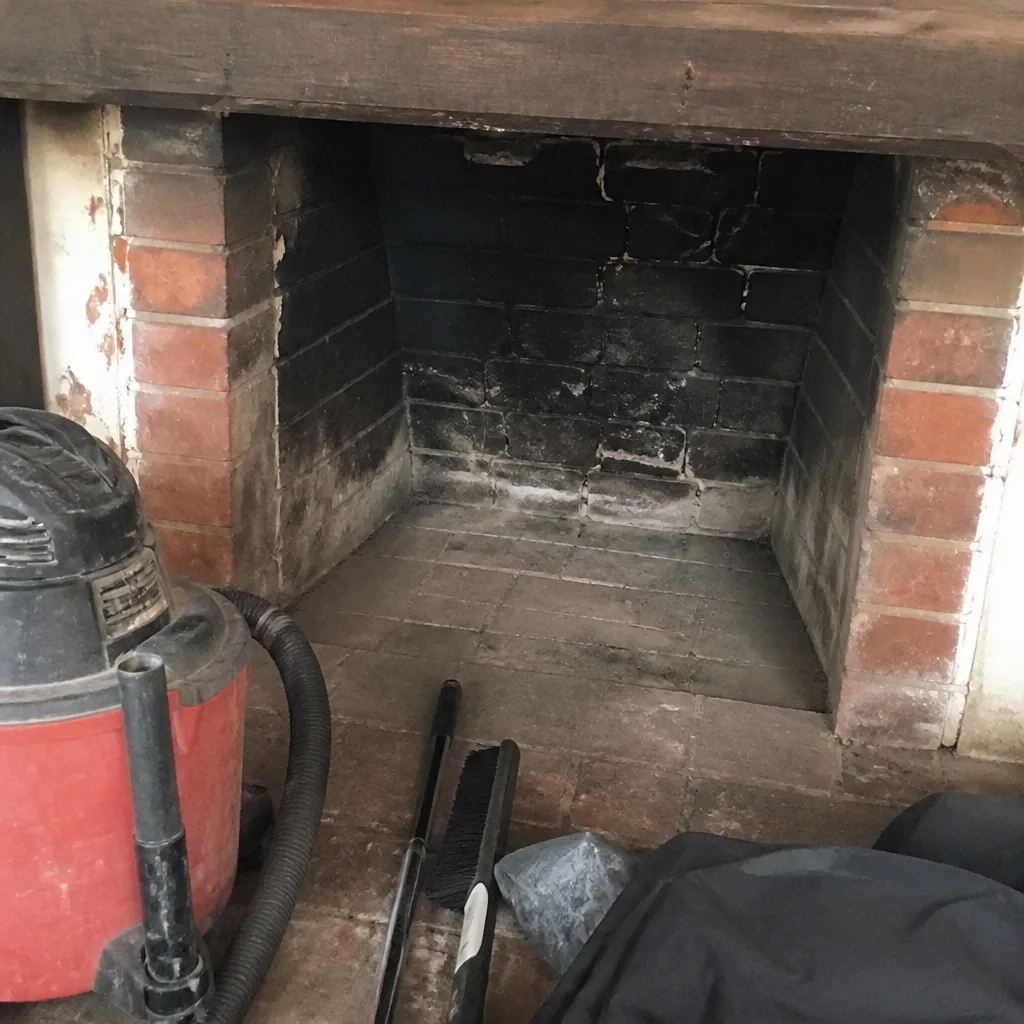 Before
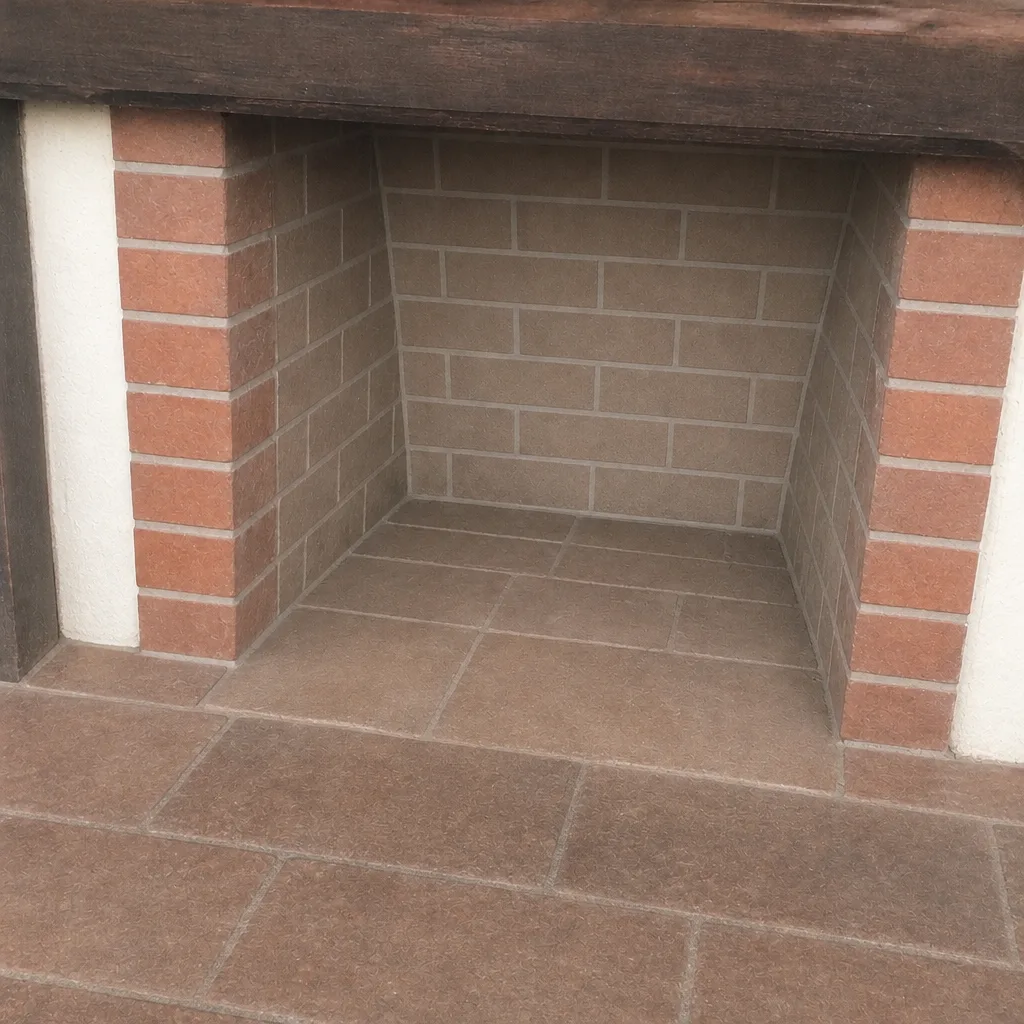 After
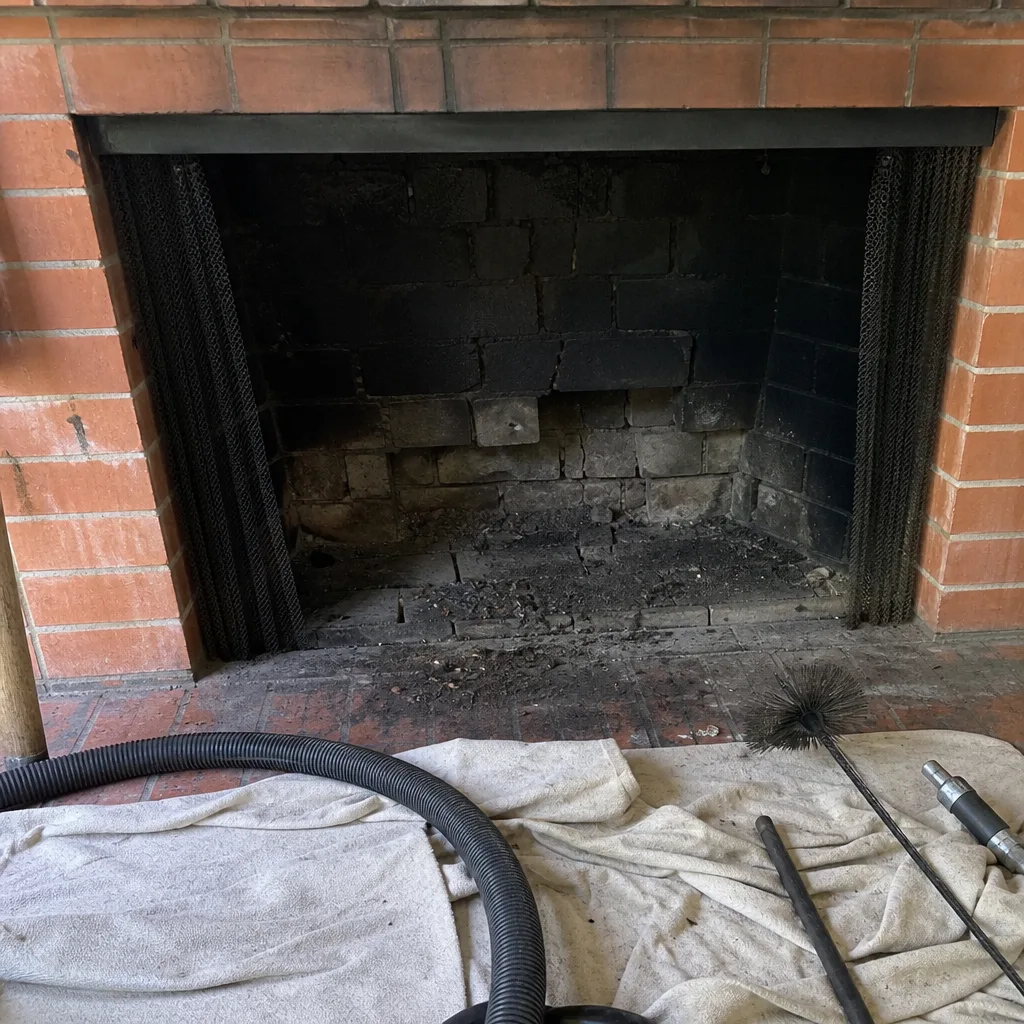 Before
 After
 Before
 After
When to Call a Professional
Some maintenance tasks are yours: emptying a pellet stove burn pot, logging your burn hours, watching for the signs that the dryer is running slower than it should. Others are not. Anytime you see smoke spilling into the room, smell something odd from the fireplace when it is in use, hear a rumbling sound from the chimney, or notice the flame on a gas insert burning a strange color, stop using the system and call. Those are not maintenance items; they are failure warnings. Shield Chimney Cleaning offers free estimates in Lake View Terrace. Call (833) 593-4561. We answer 24/7. Fast dispatch from 7am to 7pm, Sunday through Friday.
Frequently Asked Questions
A wood-burning fireplace used regularly should be swept after every cord of wood burned or at least once per year. A gas fireplace or insert needs a professional inspection and cleaning every 2 to 3 years, because gas produces almost no creosote but does develop vent-blockage and component-wear issues that a wood sweep would miss. The schedules are fundamentally different because the fuels are fundamentally different.
Chimney sweep pricing in Lake View Terrace depends on the flue size, the amount of creosote accumulation, and whether any repair items are found during the service. The estimate is free, and the final price is set by a written estimate before any work begins. Call (833) 593-4561 for an exact quote.
No. A gas insert produces almost no creosote, so an annual sweep is not necessary. A professional inspection every 2 to 3 years is appropriate, and sooner if you notice soot, a strange smell, or a change in flame color. The important maintenance item on a gas insert is the vent path and the exhaust connections, not the inside of the flue.
Creosote continues to accumulate inside the flue, hardening into a glazed layer that is more difficult to remove and more combustible. The chimney becomes a fire risk, and the flue liner may begin to degrade from exposure to the acidic creosote deposits. Skipping maintenance does not pause the process; it just lets the problem get more expensive to fix.
Most households should have the dryer vent professionally cleaned every 12 to 18 months. Larger households, homes with pets, or families running the dryer daily should shorten that to every 12 months. The trigger is load volume, not the calendar.
You can remove loose ash and debris from the firebox, but cleaning creosote from a flue requires a professional. Creosote removal involves specialized brushes, rods, and sometimes chemical treatment for glazed deposits. More importantly, a professional sweep includes a flue inspection, and the inspection is where the actual safety findings come from. That is not a homeowner task.
The Bottom Line
The right chimney maintenance schedule is not the same for every house in Lake View Terrace. A wood fireplace burns toward a cord of wood and the creosote that comes with it. A gas insert runs on a different clock, one defined by vent integrity and component wear. A pellet stove carries mechanical tasks that a fireplace never asks for. Your dryer vent accrues lint on its own household-volume schedule. The unifying principle is fuel through the flue: track what moves through each system, and service it when the material adds up. That is how you get a clean flue without overpaying, and how you catch a failing liner or a blocked vent before it becomes a hazard.
Written by the team at Shield Chimney Cleaning, serving Lake View Terrace since 2013.