
Last updated November 5, 2026
 Sweep & inspection
 Caps & crowns
 Flue relining
 Masonry repair
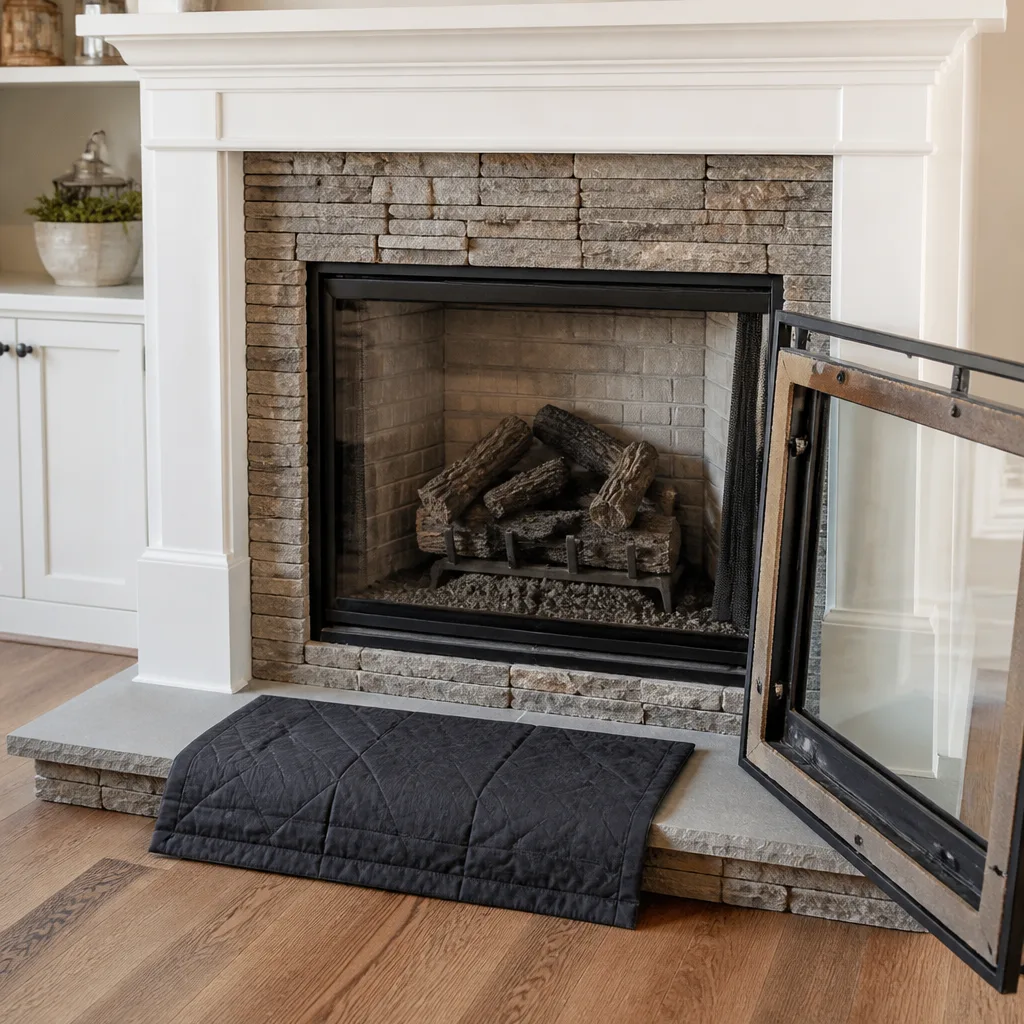 Gas fireplace service
Level 1 sweep and inspection to the NFPA 211 annual standard - flue, crown, cap, and flashing checked and photographed
Chimney sweep logs do not sweep chimneys. They loosen some creosote - which then falls where a brush and vacuum still have to collect it.
Seasonal Chimney Cleaning Care for Lake View Terrace: Year-Round Homeowner’s Guide
October in Lake View Terrace arrives with Santa Ana winds, single-digit humidity, and the first cold snap that sends homeowners to the fireplace switch. The same week that regional wildfire risk peaks, thousands of chimneys that sat untouched for nine months get their first fire of the season. That timing isn’t a coincidence. It’s the clearest argument for understanding your chimney’s condition before that first spark, not after. This guide walks through the full year-round care cycle as it actually plays out here in the San Fernando Valley, not as generic chimney websites describe it for places with real winters.
Quick Answer
Seasonal chimney care in Lake View Terrace should center on September as the critical inspection window, not the traditional “pre-winter” timing national guides push. The biggest risks here are accumulated summer debris, mortar contraction from dry heat, and compromised spark arrestors during Santa Ana wildfire season. A professional chimney sweep in early fall, a light spring maintenance pass, and a mid-season check for frequent burners covers the realistic needs of a Southern California chimney.
Styles & brands we work with
- Sweep & inspection
- Caps & crowns
- Flue relining
- Masonry repair
- Gas fireplace service
Table of Contents
- Why September Matters More Than November in Lake View Terrace
- What a Dry Lake View Terrace Summer Does Inside Your Flue
- Santa Ana Winds, Spark Arrestors, and Chimney Cap Integrity
- Winter Burning Habits: When a Mid-Season Check Makes Sense
- Spring Tasks That Prevent Months of Sitting Damage
- Gas Inserts and Fireplaces: A Different Seasonal Rhythm
- The Dryer Vent Connection: Seasonal Lint Buildup in Valley Homes
- What a Homeowner Can Safely Check Between Sweeps
Why September Matters More Than November in Lake View Terrace
Most chimney guides you’ll find online were written for climates where winter means freezing temperatures, snow on the roof, and a burning season that starts in October and runs hard through March. Lake View Terrace doesn’t work that way. Our burning season is shorter, more intermittent, and bookended by weather patterns that create a different risk calendar entirely. September, not November, is the month that deserves the circled date on your calendar.
Here’s the reasoning. By September, your chimney has just finished enduring the hottest, driest stretch of the year. Temperatures in the San Fernando Valley routinely push past 100 degrees from July through early September. That heat does specific things to masonry and metal flue components. It also means any debris that fell into the chimney during spring, any nesting material, any creosote left over from last winter’s final fires, has spent months baking in place. When you light that first October fire, all of it is primed.
A September chimney sweep gives you room to address problems before the first cold evening, not scramble for an appointment when every other homeowner in the 91342 ZIP code is doing the same thing. We’ve seen October and November fill our schedule faster than any other stretch of the year. Booking in September means you’re ahead of that rush, and if the sweep turns up a cracked flue tile or a deteriorating liner, you have weeks to plan the repair rather than staring at a fireplace you can’t safely use when the temperature finally drops.
September also aligns with the tail end of what’s often called the “Santa Ana pre-season.” While the strongest winds usually arrive in October, September is when dry brush, low humidity, and elevated fire danger begin their annual climb. Understanding your chimney’s condition before regional fire risk peaks isn’t just smart planning, it’s a small act of neighborhood responsibility in a community where wildfire awareness is part of daily life from late summer through fall.
What a Dry Lake View Terrace Summer Does Inside Your Flue
A chimney isn’t a static structure. It expands and contracts with temperature changes, and in Lake View Terrace, the swings between a 100-degree afternoon and a 60-degree night are more pronounced than in coastal communities. That daily thermal cycling, repeated for three or four consecutive months, takes a toll on mortar joints and flue liners.
Mortar absorbs moisture from the air. During humid periods, it swells slightly. During extended dry heat, it contracts and can develop hairline cracks. Those cracks, even small ones, become entry points for heat and combustion gases if the chimney is actively used. Over multiple seasons, this is how a flue that passed inspection two years ago develops problems nobody noticed because nobody looked.
Debris accumulation is the other summer factor that catches homeowners off guard. Without rain to wash things away or encourage decomposition, whatever lands inside or on top of your chimney stays there, desiccated and flammable. Leaves from nearby oak and sycamore trees, bird nests, and even insect activity all contribute. In our experience, early fall sweeps in Lake View Terrace frequently remove more dried debris by volume than sweeps in neighboring communities with more moisture and tree cover.
Creosote also behaves differently in our dry heat. The creosote left from last winter’s burning hardens and cures during a long, hot summer. Fresh creosote is sticky and easily scraped. Summer-aged creosote in a dry climate becomes brittle and glazed, adhering stubbornly to flue walls. It often requires more thorough mechanical removal than the same amount of creosote would need in a more humid environment. This is one reason an annual professional sweep here matters more than the calendar suggests.
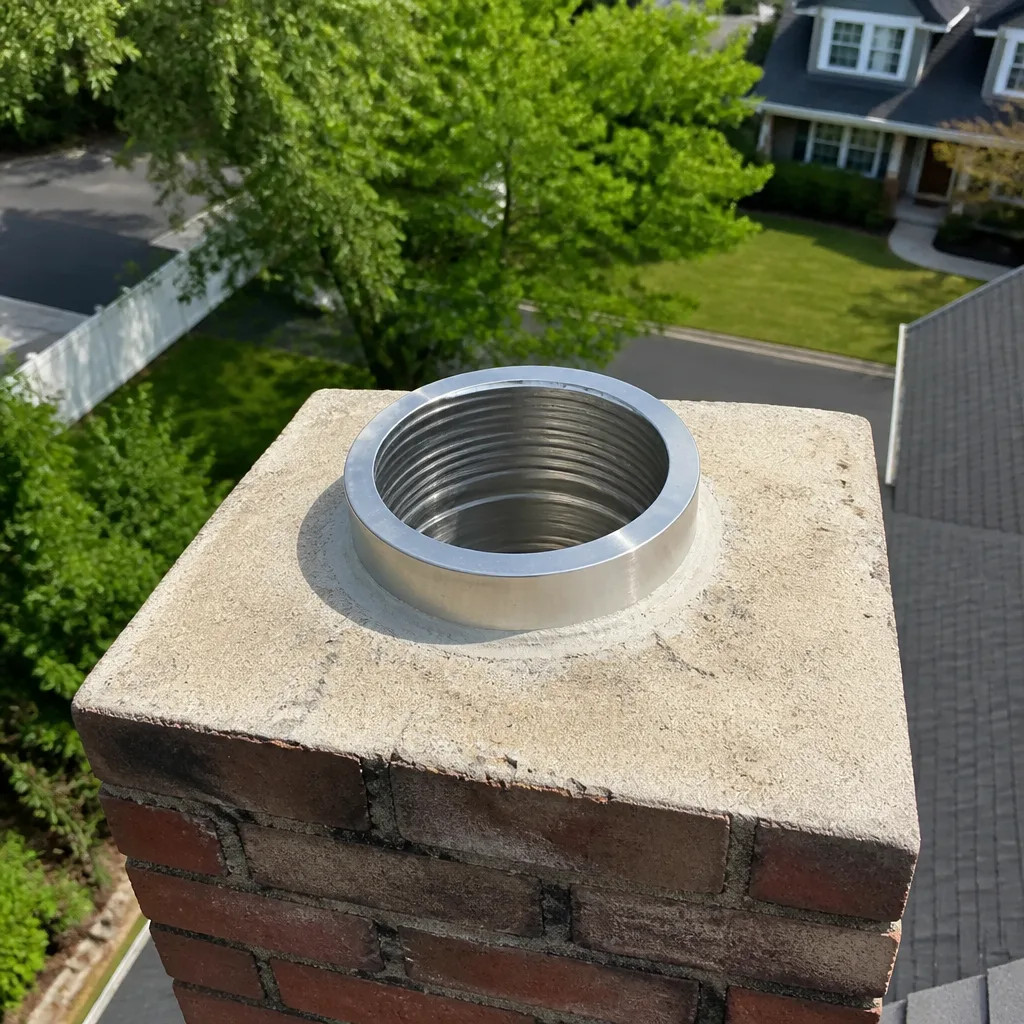
If your home has a clay tile liner that’s been in place for decades, that liner has absorbed far more thermal stress than a newer stainless liner would. Clay tiles crack under repeated expansion and contraction. A cracked tile is not just a cleaning issue; it’s a structural fire-safety issue that a sweep should identify early. Shield Chimney Cleaning uses HeatShield resurfacing systems and DuraFlex liner installations to address flue damage when it’s found, which means the company you call for the sweep is also equipped to handle the repair if one is needed.
Santa Ana Winds, Spark Arrestors, and Chimney Cap Integrity
Lake View Terrace sits in a part of the San Fernando Valley where wildfire awareness is baked into the culture. We watch wind patterns, clear brush, and track fire danger ratings with a vigilance that surprises people from other regions. Chimney care intersects with wildfire safety in one specific and often overlooked way: spark arrestors.
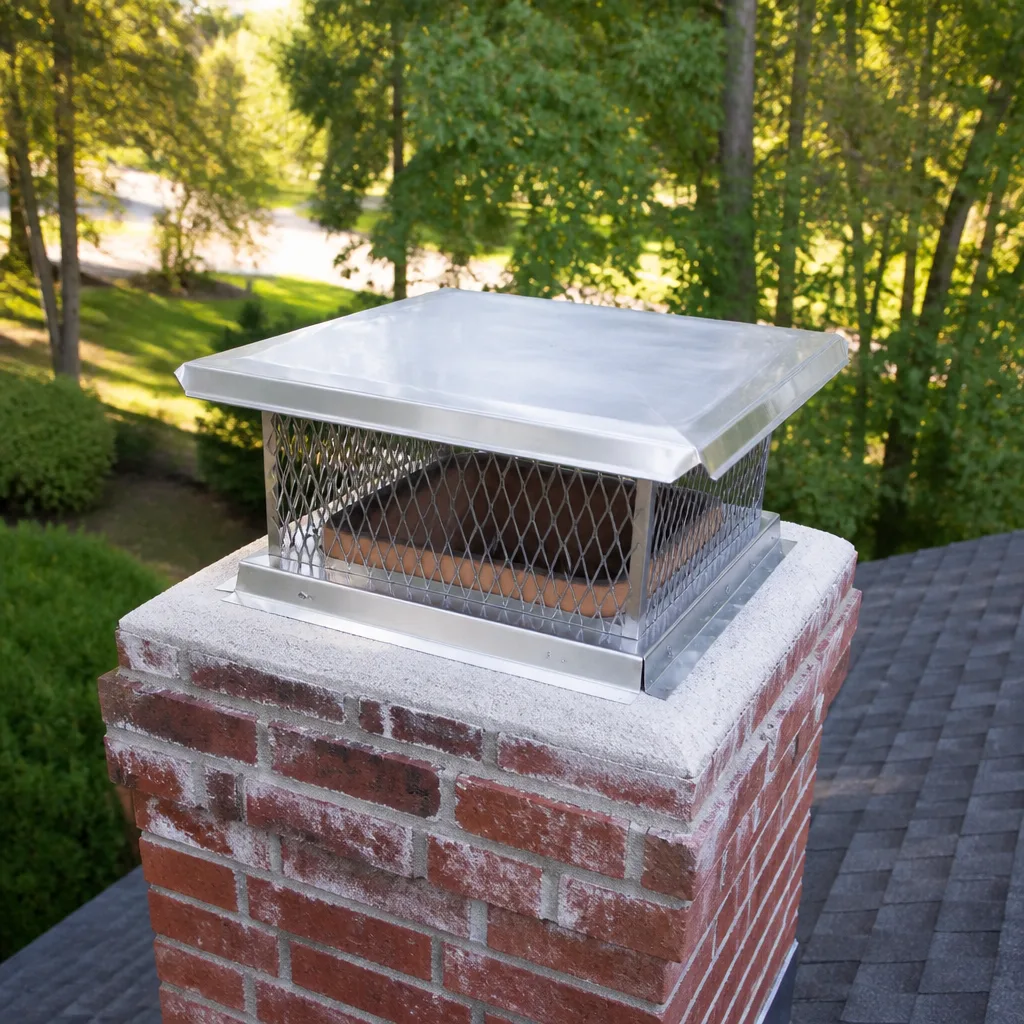
A spark arrestor is a mesh screen built into or installed below your chimney cap. Its job is to catch embers and burning particles that rise with the exhaust and prevent them from landing on your roof or blowing into dry brush. During a wood fire, small glowing particles are constantly traveling up the flue. Most burn out before reaching the top. Some don’t. The spark arrestor is the last line of defense.
Spark arrestors degrade. The fine mesh corrodes over time, especially under years of hot exhaust and weather exposure. Birds peck at it. Debris clogs it. If the mesh loses its structural integrity, those embers can pass through openings that shouldn’t exist. During Santa Ana conditions, with sustained winds and humidity in the single digits, an ember landing in dry landscape is a legitimate fire hazard. This isn’t scare talk. It’s the same reason building codes in high-fire-risk zones require spark arrestors on any chimney connected to a wood-burning appliance.
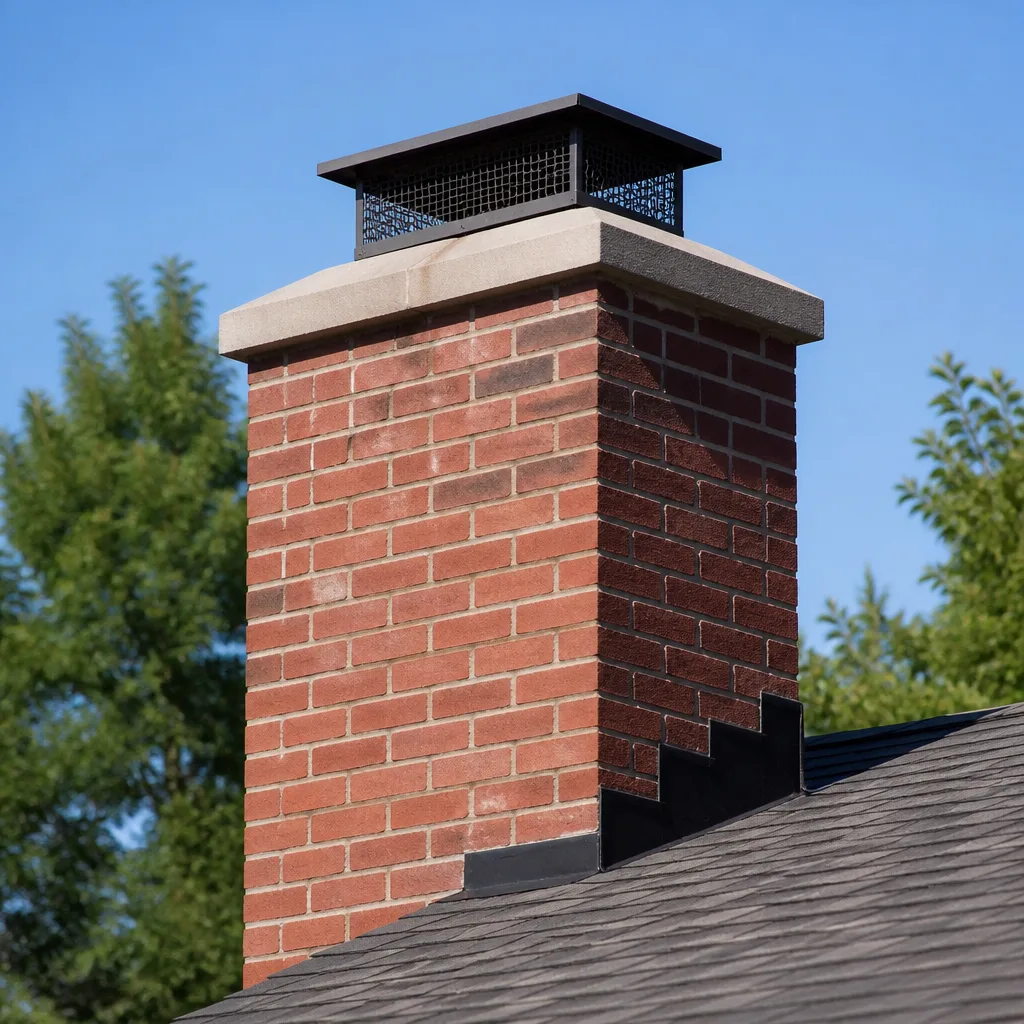
A September sweep includes a visual inspection of the cap and spark arrestor. If the mesh is compromised, the fix is straightforward and relatively inexpensive compared to the risk it mitigates. Shield uses professional-grade components from manufacturers like Olympia Chimney and Copperfield for cap and termination work, materials designed for longevity rather than off-the-shelf substitutes.
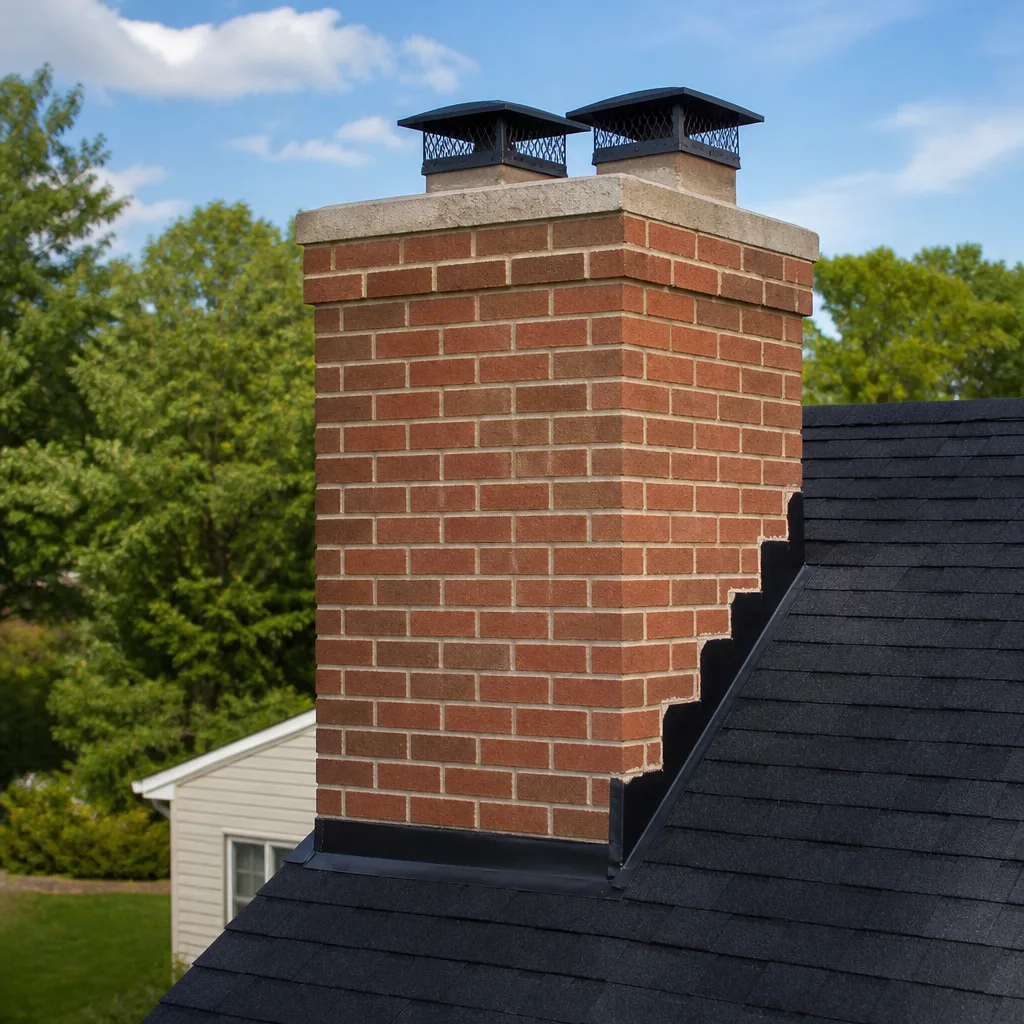
Chimney caps themselves serve another function in our specific climate. During dry, windy months, an uncapped flue becomes a wind tunnel. Embers from neighborhood sources, dust, and debris all blow in. A properly fitted cap with an intact spark arrestor keeps your chimney from collecting the very material that becomes a fire hazard when you light your next fire. If your cap is missing, rusted through, or poorly fitted, your chimney is actively accumulating flammable material every time the wind blows.
Winter Burning Habits: When a Mid-Season Check Makes Sense
Lake View Terrace winters are mild. We get cold nights, but rarely a true cold snap that lasts more than a few days. Most homeowners burn wood sporadically: a fire on a chilly evening, another on a weekend, maybe a stretch of nightly fires around the holidays. That sporadic pattern is what shapes realistic maintenance needs.
Here’s a practical rule of thumb. If your household burns wood more than twice a week consistently during the winter months, consider a mid-season inspection around January. This doesn’t need to be a full sweep every time. It can be a visual check of the firebox, damper, and accessible flue areas to confirm creosote isn’t building up faster than expected. The type and moisture content of your wood matters enormously here. Well-seasoned hardwoods produce far less creosote than wet wood or softwoods like pine.
Burning habits to watch for:
- Frequent short fires build creosote differently than occasional long burns because the flue never reaches the sustained high temperature that helps burn off deposits.
- Green or unseasoned wood smokes heavily and deposits wet creosote quickly, even in a well-functioning chimney.
- Fires with restricted air supply, where the damper is partially closed or the glass doors are shut tight, starve the fire of oxygen and generate more creosote.
- Artificial logs burn differently than natural wood and can leave waxy residues that interact with existing creosote.
If you notice a change in how your fireplace draws, a smell that persists when the fireplace is cold, or visible buildup you can scrape with a finger, that’s your signal to call sooner rather than later. A mid-season check in January also gives you a full assessment heading into the spring shutdown, which means less guesswork about what needs attention before the long summer idle.
Spring Tasks That Prevent Months of Sitting Damage
When winter’s sporadic burning season winds down, usually by March or April in Lake View Terrace, the instinct is to close the damper and forget about the fireplace until fall. Closing the damper is correct. Forgetting about the fireplace entirely is where problems start.
Spring is the right time for a post-season sweep if you burned frequently over the winter. The logic is simple: creosote is acidic and hygroscopic, meaning it attracts and holds moisture. Leaving a winter’s worth of creosote sitting inside your flue for six months gives it time to work into the masonry, corrode metal components, and create persistent chimney odors that worsen as temperatures rise. A spring sweep removes that creosote while the season’s buildup is still relatively fresh and easier to clean.
Spring tasks that take ten minutes but prevent real problems:
- Close the damper tightly and confirm the seal is intact. A damper that doesn’t seal properly lets warm air escape, conditioned air leak, and insects find their way in.
- Visually check the cap and spark arrestor from the ground with binoculars. Look for obvious damage, missing sections, or visible debris buildup.
- Remove any bird or insect activity around the chimney exterior. Nesting activity in spring is common, and early intervention prevents structural damage.
- Inspect the firebox for cracked brick, deteriorated mortar, or any changes since your last sweep.
- Schedule a sweep if you burned wood more than a dozen times over the winter. If you’re not sure, a professional inspection costs less than a repair.
Spring is also the ideal time to address repairs. Contractors doing masonry or liner work have more scheduling flexibility in spring than in the October rush. If your fall sweep identified a developing issue that could wait through the winter, spring is the window to fix it before another summer of thermal cycling adds stress to an already compromised system.
Gas Inserts and Fireplaces: A Different Seasonal Rhythm
Not every Lake View Terrace fireplace burns wood. Many homes in the area have converted to gas inserts, and a significant number were built with gas fireplaces from the start. Gas appliances have their own seasonal maintenance needs that differ from wood-burning systems, and it’s a mistake to assume they need nothing.
Gas fireplaces produce moisture as a byproduct of combustion. That moisture, combined with the venting configuration of a gas insert, means the flue needs attention differently than a wood-burning flue. Gas inserts are typically vented through a smaller-diameter liner, often aluminum, which corrodes over time and needs periodic replacement. The burner assembly accumulates dust and debris during months of disuse, and spiders have a documented habit of building nests inside gas burner tubes and venturis, especially during the long idle summer months.
A gas appliance that hasn’t been checked since last winter may fire up with a strange smell, an uneven flame, or worse, produce carbon monoxide without obvious warning. The seasonal care calendar for gas is simpler than for wood: an annual inspection before first use, a mid-season check only if anything seems off, and a spring shutdown that’s mostly about confirming the pilot is off and the exterior vent cap is clear.
One note specific to Lake View Terrace: dust from our dry climate finds its way into gas appliances more readily than in wetter regions. Summer and fall dust, especially during windy periods, settles inside the fireplace in quantities that genuinely affect burner performance. If your gas fireplace has been sitting dormant since the spring, plan on an inspection before that first evening you want it running.
The Dryer Vent Connection: Seasonal Lint Buildup in Valley Homes
Shield Chimney Cleaning handles the complete home venting system, which is why seasonal dryer vent cleaning belongs in this guide. Your dryer vent and your chimney share a seasonal pattern: they both accumulate flammable material through regular use, and both sit unexamined for long stretches.
Lint accumulation follows usage patterns. Winter months mean heavier clothes, more laundry loads, and more lint produced per load. Spring and summer in Lake View Terrace bring their own factor: static from low humidity causes more lint to cling to the inside of vent runs rather than escaping through the exterior termination. By late summer, a dryer vent that seemed fine in January may have a substantial lint coating reducing airflow.
The seasonal recommendation for dryer vents in this climate is straightforward: at minimum, an annual cleaning timed around late summer or early fall. Households with large families or heavy laundry volume may need cleaning twice a year. The signs of a clogged vent, clothes taking longer to dry, the dryer running hot, or a burning smell in the laundry room, are urgent signals regardless of the season.
Shield uses professional-grade venting components from Famco and Copperfield when repairs or replacements are needed, which means the same company that cleans your chimney can also address whatever the dryer vent inspection turns up. Single-company accountability across the whole venting system, from chimney crown to laundry room wall cap, saves coordination hassle and ensures nothing gets overlooked.
What a Homeowner Can Safely Check Between Sweeps
There’s a meaningful difference between what a homeowner can safely inspect and what requires a trained professional. Understanding that line keeps you informed without putting yourself at risk. A professional chimney sweep involves specialized brushes, vacuums, and often rooftop access. That’s not DIY territory.
What you can do safely from the ground or inside your home:
- Visual cap check from the ground using binoculars. Look for missing sections, rust, or obvious debris accumulation.
- Firebox inspection with a flashlight. Look for cracked brick, crumbling mortar, or any gap between the firebox and the hearth.
- Damper operation check. Open and close it a few times to confirm smooth movement and a solid seal when closed.
- Odor awareness. A strong smoky smell in summer, when no fire has burned in months, often signals a creosote or moisture problem.
- Debris check at the cleanout door, if your chimney has one at the base. Accumulated material there indicates what’s happening above.
What you should never attempt yourself: anything requiring roof access, any work involving a gas line, any liner repair, any resurfacing work, and any sweep that would put you on a ladder above ground level. Chimney work on a pitched roof, especially during windy periods common in Lake View Terrace, has real safety consequences. Falls from roofs are a leading cause of serious injury among well-intentioned DIYers. Call a professional.
The value of a professional sweep extends beyond basic cleaning. A trained chimney technician sees things a homeowner doesn’t know to look for: early-stage spalling on the exterior masonry, subtle liner damage, improper clearances, and venting issues that won’t show up in a casual inspection. That diagnostic element is part of what you’re paying for, and it’s what catches small problems before they become expensive ones.
Common Mistakes to Avoid
- Waiting until November to schedule a sweep. The October rush in Lake View Terrace means November appointments are scarce, and you’ll likely burn before you get inspected. September is the right time to book.
- Assuming a mild winter means no chimney maintenance. The damage happens during the long, dry summer, not the winter. Skipping the fall sweep ignores the season that actually stresses your flue.
- Ignoring a missing or damaged spark arrestor. In a community where Santa Ana winds and wildfire risk are part of life, an intact spark arrestor is a responsibility, not an optional accessory.
- Closing the damper and forgetting the fireplace until next fall. A post-season spring sweep removes creosote before it has six months to corrode your flue from the inside.
- Burning unseasoned wood because it’s cheap or convenient. Wet wood produces exponentially more creosote per fire. The savings from cheap wood evaporate when you need more frequent cleanings and possibly liner repairs.
- Neglecting the dryer vent as a separate system. Your chimney and your dryer vent both move hot air and flammable particles. Both need seasonal attention, and neglecting either one is a fire risk.
- Attempting roof-level chimney work without proper equipment or training. The injury risk is real, the insurance implications are real, and the diagnostic value of a trained sweep is part of what you’re paying for.
See the difference
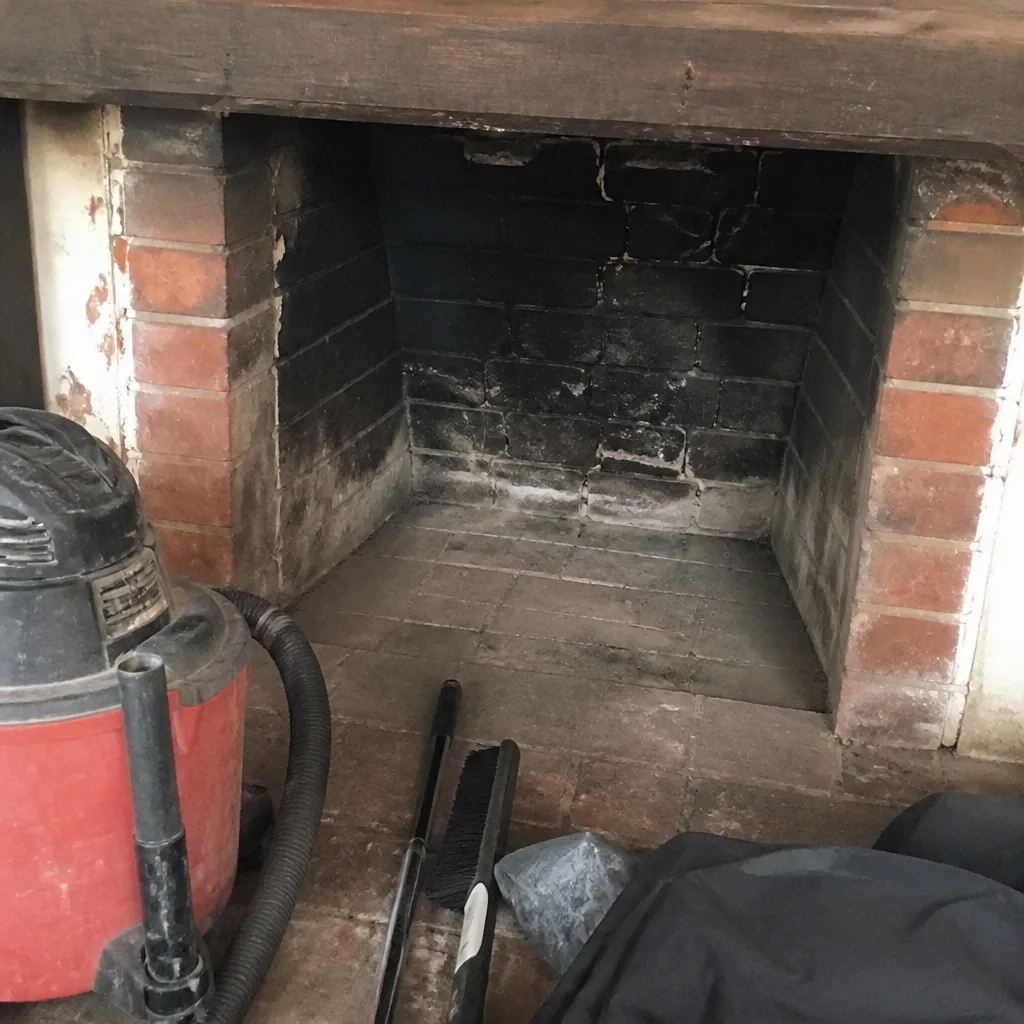 Before
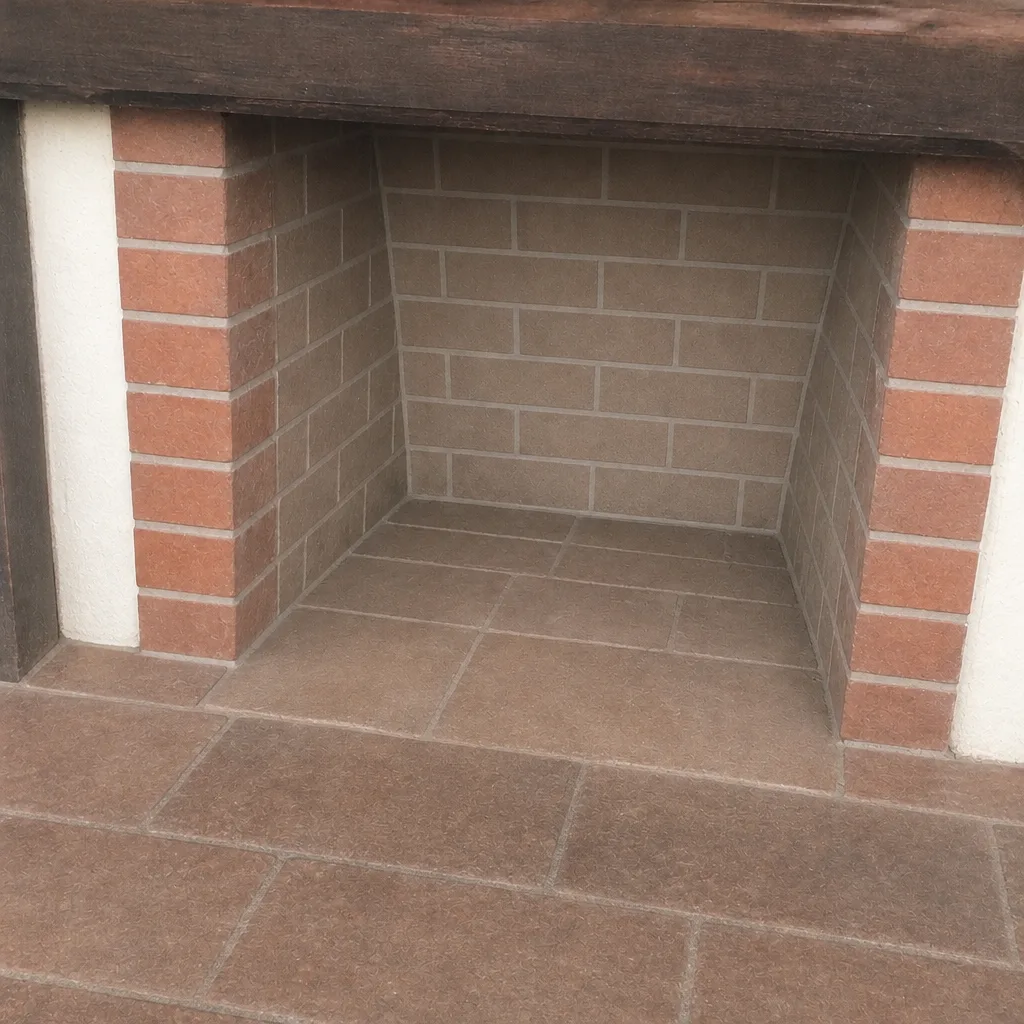 After
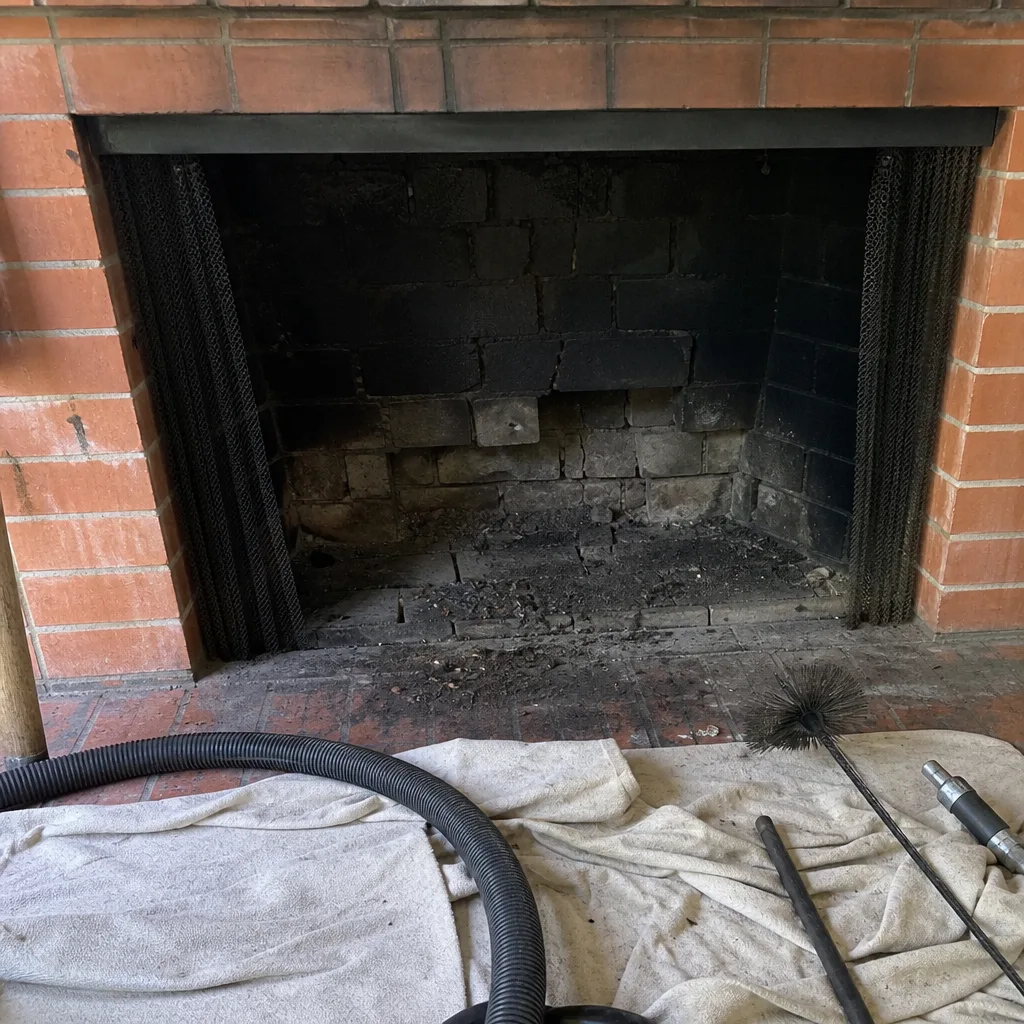 Before
 After
 Before
 After
When to Call a Professional
Call for a professional sweep if it’s been more than a year since your last one, if you notice smoke entering the room instead of drafting up the flue, if you see visible creosote buildup (dark, tar-like or flaky substance) on the firebox walls, or if you smell something persistently smoky when the fireplace is cold. Call immediately if you hear animals in the chimney, if water is entering around the chimney during rain, or if you see cracking in the firebox or on the exterior masonry. Gas fireplace owners should call if the flame changes color to yellow or orange, if there’s a gas smell that isn’t the normal brief odor at startup, or if the carbon monoxide detector alerts. For dryer vents, a professional cleaning is warranted if clothes are taking longer to dry than they did six months ago. Shield Chimney Cleaning offers free estimates in Lake View Terrace. Call (833) 593-4561. We answer 24/7. Fast dispatch from 7am to 7pm, Sunday through Friday.
Frequently Asked Questions
Most homes in Lake View Terrace should have a professional sweep once per year, with the ideal timing in September before the fall burning season begins. Homes that burn wood more than twice a week during winter may need an additional mid-season check, and homes that burn heavily across an entire winter benefit from a spring post-season cleaning.
Chimney sweep pricing in Lake View Terrace depends on the chimney’s condition, size, accessibility, and how much creosote or debris is present, so we set the price per job with a free written estimate after evaluating the specifics. The estimate is free, and the written quote you receive is the price, with no surprises. Call (833) 593-4561 for an exact quote.
Even occasional use doesn’t mean your chimney needs nothing, because the summer months in Lake View Terrace still deposit debris, allow nests, and stress the flue through temperature cycling. A yearly inspection identifies issues from the idle season as much as from burning, so we recommend at least an annual look regardless of how often you light a fire.
Creosote accumulates and hardens, debris builds up, mortar joints crack, and the flue liner degrades, all of which increases the risk of a chimney fire and carbon monoxide intrusion. The longer these conditions persist, the more extensive and expensive the repair becomes, and in some cases a full liner replacement is required instead of a simple resurfacing.
Yes, gas fireplaces need an annual inspection because they produce moisture, attract dust and spider nests during idle months, and rely on venting that can clog or corrode. Carbon monoxide is a real risk with gas appliances, and an annual check before first use is the standard safety recommendation.
Santa Ana winds blow dry air and debris into uncapped chimneys, dry out any remaining creosote into a more stubborn and flammable state, and make spark arrestor integrity critically important for fire safety. The winds also signal the seasonal shift toward peak wildfire danger, which is why September work should include a cap and arrestor inspection.
The Bottom Line
Seasonal chimney care in Lake View Terrace follows a different calendar than the national norm. September inspection and cleaning, before the Santa Ana season and the October burning rush, is the most important appointment of the year. Spring maintenance after the burning season ends prevents months of corrosive creosote contact, and a mid-season check catches problems for households that burn frequently. The dry summer heat, not winter weather, is what tests your chimney most in this climate, and the spark arrestor deserves elevation from an afterthought to a neighborhood safety priority. One company that can handle the sweep, the repair, and the dryer vent under one roof reduces the friction of doing the right thing. Call (833) 593-4561 to schedule a free estimate. We answer 24/7. Fast dispatch from 7am to 7pm, Sunday through Friday.
Written by the team at Shield Chimney Cleaning, serving Lake View Terrace since 2013.