
Last updated November 5, 2026
 Sweep & inspection
 Caps & crowns
 Flue relining
 Masonry repair
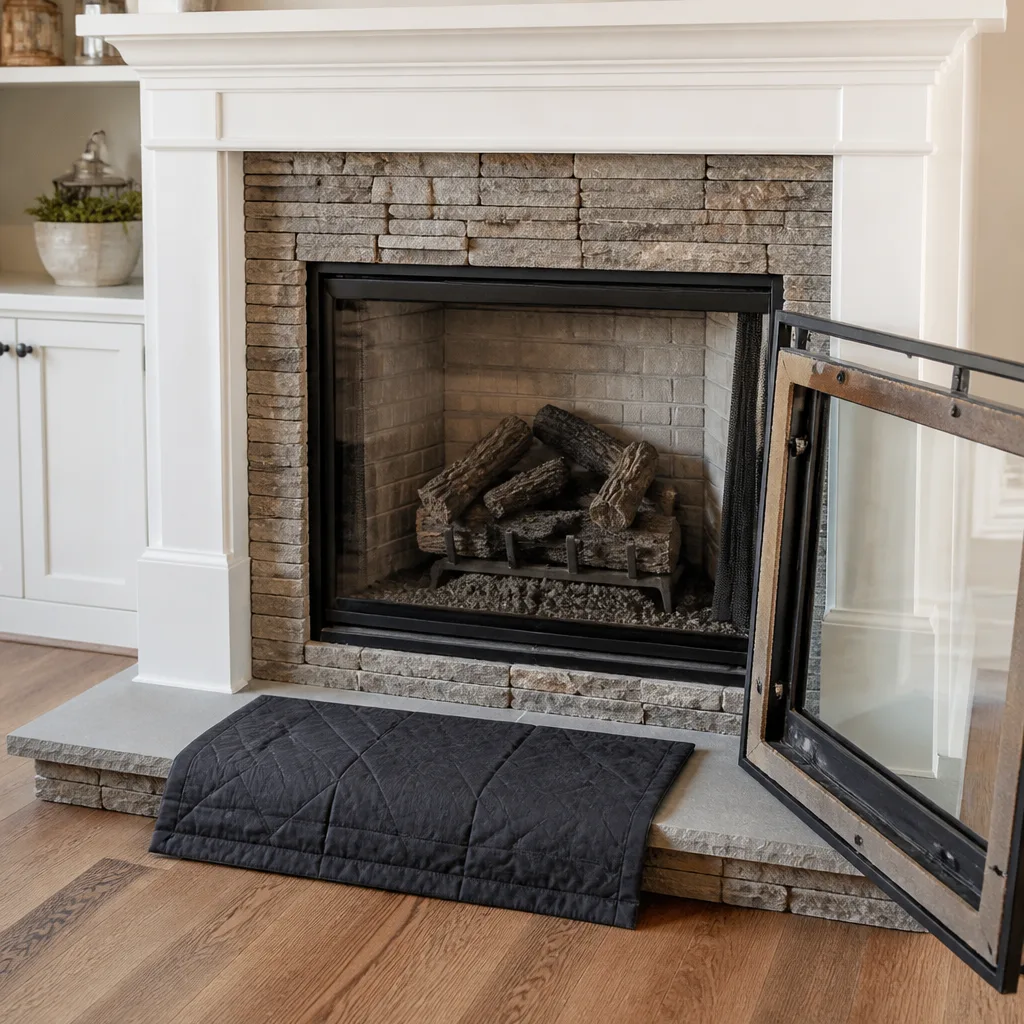 Gas fireplace service
Level 1 sweep and inspection to the NFPA 211 annual standard - flue, crown, cap, and flashing checked and photographed
Chimney sweep logs do not sweep chimneys. They loosen some creosote - which then falls where a brush and vacuum still have to collect it.
Chimney Cleaning Permits, Codes & Inspections in Lake View Terrace, CA: What You Need to Know
Most homeowners in Lake View Terrace assume a chimney cleaning is just a broom and a shop vac. The real question is not whether sweeping requires a permit; it does not. The question is whether the conditions a sweep uncovers, a cracked flue liner, improper clearances, an unlisted wood stove, will trigger a code issue that should have been permitted years ago. This guide explains where the permit line actually sits in Los Angeles County, what “existing nonconforming” means for older masonry chimneys here, and what paperwork protects you when you sell, insure, or file a claim on a home in Lake View Terrace.
Styles & brands we work with
- Sweep & inspection
- Caps & crowns
- Flue relining
- Masonry repair
- Gas fireplace service
Quick Answer
A routine chimney cleaning does not require a permit anywhere in Lake View Terrace or unincorporated Los Angeles County. However, most structural repairs, liner replacements, firebox rebuilds, and appliance or flue reconfigurations do require a building permit and an inspection. If prior owners completed chimney repairs without permits, that unpermitted work can surface during escrow or an insurance claim after a chimney fire.
Table of Contents
- Which Chimney Services Are Permit-Exempt in Lake View Terrace
- Which Chimney Repairs Trigger LA County Building Department Review
- How California’s Title 24 Interacts With Chimney Venting Standards
- What “Existing Nonconforming” Means for Older Lake View Terrace Chimneys
- Documentation to Request and Retain After a Permitted Chimney Repair
- How to Check Whether Prior Chimney Work Was Permitted Before You Buy or Sell
- What Actually Happens During a Chimney Inspection in Lake View Terrace
- Common Mistakes to Avoid
- When to Call a Professional
- Frequently Asked Questions
- The Bottom Line
Which Chimney Services Are Permit-Exempt in Lake View Terrace
Routine chimney sweep work, the removal of soot, creosote, and basic debris from the flue, is classified as maintenance. No permit is required for it anywhere in Lake View Terrace, and no inspection follows a standard cleaning. The same applies to visual inspections, camera scans, and minor component replacements that do not alter the structure or venting configuration.
Here is what sits on the permit-exempt side of the line:
- Chimney sweeping and creosote removal
- Level 1 and Level 2 chimney inspections, including video scanning
- Chimney cap replacement with a like-for-like cap
- Damper repair or replacement with a compatible unit
- Chase cover replacement on a factory-built chimney
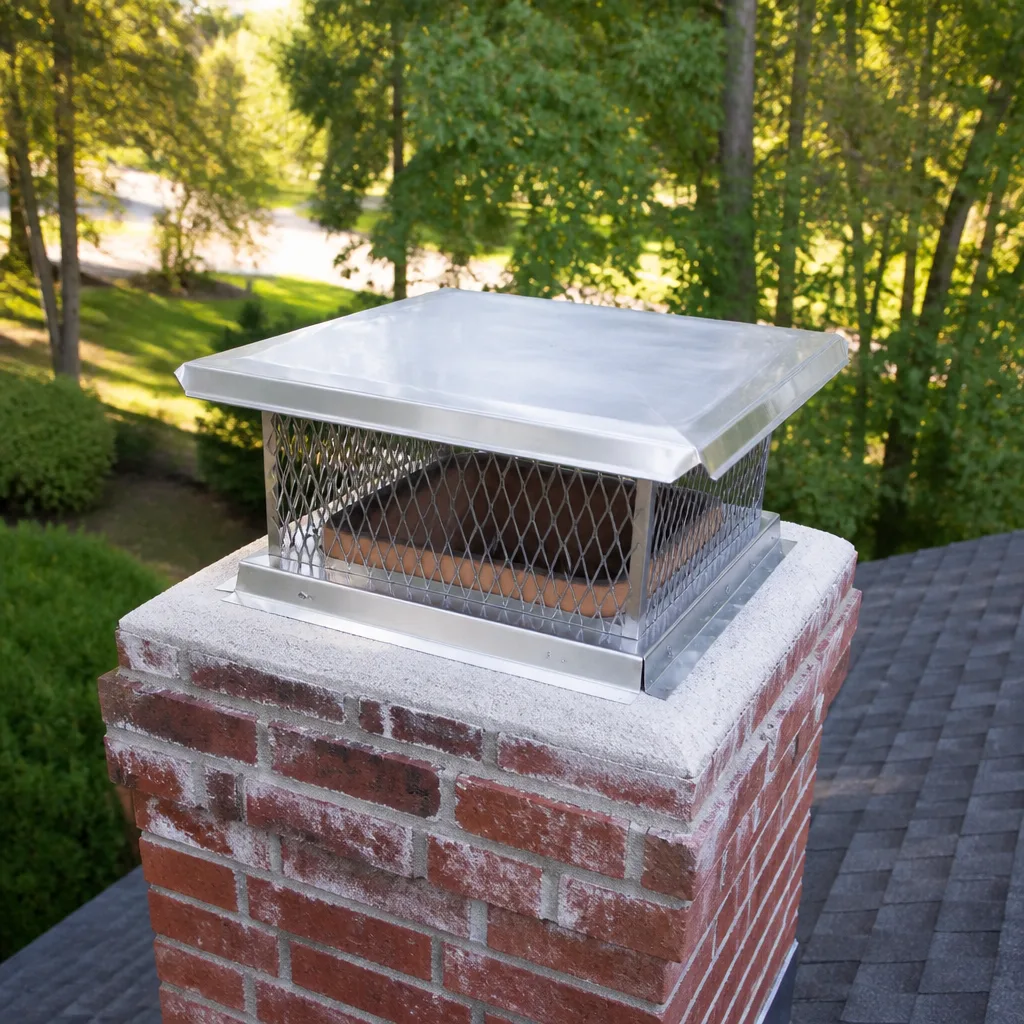
- Replacing a deteriorated rain cap or spark arrestor
- Cleaning or minor servicing of an existing gas log set
None of this work changes how the chimney draws, what it vents, or how it is framed into the house. Because the flue remains as it was originally built, the LA County Building and Safety Division treats these services as ordinary upkeep. That said, even permit-exempt work should be performed by someone who knows what a compliant chimney looks like. If a sweep finds a hidden defect while cleaning, the repair that follows often crosses into permit territory.
Which Chimney Repairs Trigger LA County Building Department Review
The permit line in Lake View Terrace follows a simple principle: if the repair alters the flue, the firebox, the structure, or the combustion appliance connection, the county wants to review it. Here are the typical chimney services that require a permit in unincorporated Los Angeles County:
- Flue liner replacement or installation. Replacing a clay tile liner or installing a stainless steel liner system is a structural alteration of the venting system. The LA County building department requires a permit and an inspection after completion.
- Firebox rebuilds. Rebuilding the masonry firebox with new firebrick and refractory mortar changes the combustion chamber dimensions and must be reviewed.
- Chimney rebuilds above the roofline. Partial or full teardown and reconstruction of the chimney stack changes structural load paths and requires engineered or prescriptive review.
- Chase repairs on factory-built systems. Replacing more than the chase cover, such as reframing or re-sheathing the chase, falls under the county’s general building permit requirements.
- Changing fuel type. Converting a wood-burning fireplace to gas, or switching from one gas appliance to another, requires an alteration permit because the venting and clearance requirements change.
- Installing a new fireplace insert or stove. Any new wood stove, pellet stove, or fireplace insert requires a mechanical permit and an inspection of the connection to the existing flue.
Where does that leave a repair-capable company like Shield Chimney Cleaning? We work with professional-grade liner systems such as DuraFlex and repair materials like HeatShield that are recognized by code officials. When your project requires a permit, we point you to the county’s process and make sure the actual work product will pass the inspection the first time. A flue repair that fails inspection is a redo nobody wants.
How California’s Title 24 Interacts With Chimney Venting Standards
California’s Title 24, Part 2, the California Building Code, and Title 24, Part 6, the energy code, govern chimneys and venting systems differently depending on the scope of work. In Lake View Terrace, any time a chimney or venting repair rises to permit level, the reviewing agency checks two things: structural safety and energy performance.
On the structural side, the California Building Code sets prescriptive requirements for:
- Flue liner sizing relative to the appliance input and fireplace opening
- Clearances from combustible framing, typically 2 inches for exterior masonry chimneys and 1 inch for factory-built chimneys unless the manufacturer says otherwise
- Chimney height, termination, and spark arrestor requirements
- Firebox and hearth dimensions for new or rebuilt masonry fireplaces
On the energy side, Title 24 Part 6 matters most when a new gas appliance, fireplace, or insert is installed. The energy code requires tight-fitting dampers on new wood-burning fireplaces, gasketed doors on certain factory-built units, and prohibits standing pilot lights in some new gas fireplace installations in California. An unpermitted fireplace insert installed in a Lake View Terrace home 15 years ago may have been legal then but now fails current Title 24 standards, another reason pre-sale chimney review matters.
For homeowners, the practical takeaway is that local building departments do not inspect chimneys in isolation. They check the chimney as part of the building envelope and the combustion appliance system. Keeping documentation that shows the fireplace or stove was installed under a permit that was finaled, or that the home predates the current code, is often the difference between a smooth transaction and a stalled escrow.
What “Existing Nonconforming” Means for Older Lake View Terrace Chimneys
Lake View Terrace has a mix of housing stock, including mid-century ranch homes with original masonry fireplaces built well before California’s current energy and seismic codes. Those chimneys often hold what code officials call “existing nonconforming” status. The phrase means the chimney was built legally under the code in effect at the time, but it does not meet every requirement of today’s code. And that is generally acceptable, until the chimney is modified.
In practice, existing nonconforming status works like this:
- Doing nothing keeps the status. A homeowner may continue using an older fireplace as long as it does not present an immediate hazard. Routine sweeping and inspection are allowed and encouraged.
- Ordinary maintenance keeps the status. Replacing a damper, a cap, or a screen does not force the chimney into current code compliance.
- Major repairs can trigger upgrades. If the firebox is rebuilt, if more than a threshold amount of the chimney is reconstructed, or if a liner is replaced, the county may require the entire affected portion to meet current code, including clearances, seismic strapping, and spark arrestor details.
This is the trap hidden inside an older Lake View Terrace chimney. A homeowner with a cracked clay liner may assume the fix is a simple stainless liner drop-in. The building department may instead review the whole chimney above the roofline and require seismic reinforcement or a full rebuild if the masonry is too degraded. That is not bureaucracy; it is how unincorporated LA County keeps older houses from turning a retrofit into a collapse risk.
The good news is that when a liner repair does not change the chimney structure above the roofline, the path is often a simple mechanical permit. Products like HeatShield ceramic resurfacing, which restores the inside of an existing flue without removing the outer masonry, can sometimes be done as a repair rather than a replacement. Which path applies to your chimney depends on what the camera inspection shows. That is the conversation we have with Lake View Terrace homeowners before they spend a dollar on repair.
Documentation to Request and Retain After a Permitted Chimney Repair
Paperwork is the part of chimney work most homeowners skip, and it is the part that matters most when selling a home or filing an insurance claim. After any permitted chimney repair in Lake View Terrace, you should hold a small file that includes every one of these items:
- The permit card or permit number. The county issues a permit number when the application is accepted. Write it down or photograph the card.
- The inspection record showing the work passed. An inspection that was never scheduled at the end of a job leaves the permit open, and an open permit is a cloud on a title report.
- The finaled permit or certificate of completion. “Finaled” is the code official’s word for the permit being closed after a passing inspection. If your contractor says the work is done but the permit is not finaled, the job is not done.
- Material documentation. Keep the manufacturer’s listing information for the liner, firebrick, or other materials used. A listing number proves the component was tested to a recognized standard.
- Before and after photos or video. A camera scan before and after a liner repair is straightforward evidence that the work described was the work performed.
- The contractor’s license number and scope of work. If a dispute arises later, you want a clear record of who did what and under what permit.
For work that does not require a permit, the documentation standard is lighter: keep the invoice, the inspection report, and any video footage the sweep provides. A clean invoice from a Lake View Terrace chimney company that shows what was inspected and what was found is often enough for a buyer’s inspector during escrow.
How to Check Whether Prior Chimney Work Was Permitted Before You Buy or Sell
The most common chimney surprise in Lake View Terrace real estate transactions is unpermitted prior work. A fireplace insert, a rebuilt firebox, or a stainless liner installed years ago without a permit can be invisible until the buyer’s home inspector flags it. And when a home inspector flags it, the deal stalls until the seller either proves the work was permitted or permits it retroactively.
Here is the practical sequence for checking prior chimney work on a property:
- Ask the seller directly. Request documentation for any chimney or fireplace work. If the seller says the work was done before they bought the house, move to the next step.
- Check the LA County Department of Building and Safety permit records. The county maintains an online permit lookup by property address. Search the address and review every permit pulled for the property. If no permit appears for chimney or mechanical work, assume the work was unpermitted unless the seller can produce records.
- Look for the physical signs. A newer stainless liner cap on an older brick chimney, a gas line run into a masonry fireplace that shows no permit history, or a factory-built chimney that does not match the home’s original plans are red flags.
- Request a Level 2 chimney inspection. A camera scan of the flue interior is the only way to see whether the liner is installed correctly, whether the clearances are right, and whether the connection at the appliance is safe. The seller often splits the cost because it protects them too.
- Get written disclosure. If no permit exists, the seller must disclose the unpermitted work in California. The buyer then decides whether to accept the chimney as-is, request a retrofit permit, or walk.
For sellers, the smart move is to pull your own permit history and have the chimney inspected before listing. A seller who already knows the answer controls the negotiation. A seller who learns about the unpermitted liner from the buyer’s inspector has already lost the high ground.
What Actually Happens During a Chimney Inspection in Lake View Terrace
Chimney inspections follow the three-level system established by the National Fire Protection Association. Understanding what each level covers helps you know what to expect when a sweep or home inspector looks at your fireplace.
Level 1: A visual examination of the readily accessible portions of the fireplace, chimney, and appliance connection. This is what a standard dryer vent cleaning visit or a routine sweep includes for the chimney. No special tools, no camera, no climbing onto a steep portion of the roof. A Level 1 is appropriate when the chimney has been in continuous use and no changes have occurred.
Level 2: A more in-depth inspection that includes the accessible attic, crawlspace, and exterior portions of the chimney, plus a video scan of the flue interior. This is the inspection required when a property is being sold, when the fuel type changes, when a new appliance is connected, or after a chimney fire, an earthquake, or a severe weather event. Lake View Terrace homeowners who have never had their flue scanned should consider a Level 2 the baseline for peace of mind, especially before a sale.
Level 3: An inspection that requires opening or removing portions of the chimney or building to access concealed areas. This is rare and is usually limited to cases where a Level 2 suggests hidden damage that threatens the structure, such as a chimney fire that compromised mortar joints behind the drywall.
Most Lake View Terrace homes need a Level 1 every year with a sweep and a Level 2 when ownership changes hands or major repairs are planned. A company that does chimney sweep work and repairs under one roof can move from inspection to scoped repair without handing the job to a third party, which keeps the documentation trail clean.
Common Mistakes to Avoid
- Assuming a cleaning is enough after years of heavy burning. A sweep removes creosote, but it cannot restore a cracked flue liner or a rusted-out firebox. If the chimney has been working hard for a decade without a camera scan, schedule a Level 2 inspection.
- Paying for a liner repair without asking whether the old liner was permitted. Homes with unpermitted prior chimney work in Lake View Terrace can pass through multiple owners before the problem surfaces. A repair that fixes a symptom without addressing an unpermitted prior install may still leave a disclosure issue at sale.
- Letting the permit lapse before the final inspection. A permit that is pulled but never finaled is functionally worse than no permit at all in a transaction. If you are doing permitted chimney work, schedule the final inspection as soon as the job is done.
- Ignoring a chimney that has survived a nearby wildfire or severe storm. Hail is uncommon here, but heavy wind and intense heat events can damage a chimney chase, cap, or spark arrestor. After any severe weather, a quick visual check from the ground is worth the time.
- Treating gas fireplaces as no-maintenance appliances. Gas logs and inserts still vent into a flue that can block with soot, debris, or even bird nests. Unmaintained gas vents can leak carbon monoxide indoors.
- Replacing a liner with whatever is cheapest. A generic liner may meet code, but a professional-grade system like DuraFlex installs more cleanly through existing offset flue tiles and is built to the standards a county inspector expects to see.
When to Call a Professional
Call a chimney professional when you smell smoke or gas inside the house, when you see spalling brick or cracked mortar, when the fireplace has not been swept in more than two years, when you are buying or selling a home in Lake View Terrace, or when an insurance adjuster asks about the condition of the flue after a loss. A camera scan settles whether the issue is maintenance or repair.
Shield Chimney Cleaning offers free estimates in Lake View Terrace – call (833) 593-4561. We answer 24/7. Fast dispatch from 7am to 7pm, Sunday through Friday.
Frequently Asked Questions
No, routine chimney sweeping and visual inspection are permit-exempt maintenance in unincorporated Los Angeles County, including Lake View Terrace. A permit becomes necessary only when structural repair, liner replacement, firebox rebuild, or appliance changes alter the venting system.
Call (833) 593-4561 if you are not sure whether the work your chimney needs crosses the permit line – we will tell you straight.
A standard chimney sweep and Level 1 inspection in Lake View Terrace typically falls in the range of $180 to $340, depending on chimney height, accessibility, and the amount of creosote present. A Level 2 camera inspection adds to that, and repairs are quoted separately by written estimate.
Call (833) 593-4561 for an exact quote – estimates are free.
Even in Lake View Terrace’s mild climate, a wood-burning fireplace should be swept at least once per year if used regularly, and more often with heavy use of unseasoned wood. Gas fireplaces and inserts can be inspected every one to two years, since vent blockages can develop slowly.
The primary risks are creosote accumulation, which can fuel a chimney fire, and hidden flue damage, which can allow heat and combustion gases into framing. A blocked or damaged flue also risks carbon monoxide re-entry. The dangers are cumulative and often invisible without a camera scan.
A new liner is required only when the existing clay liner is cracked, spalling, or missing pieces, or when the flue is oversized or undersized for the appliance. A camera inspection is the only reliable way to tell whether liner repair is needed, and no reputable company should recommend one without showing you the video.
Call (833) 593-4561 for a camera inspection and a straight answer – estimates are free.
Yes, a clean chimney with a current inspection report is a sale asset, not a liability. A neglected chimney with visible soot, a missing cap, or a damper that does not close will be flagged by a buyer’s inspector, often causing negotiation delays that cost more than the sweep would have.
The Bottom Line
The permit question in Lake View Terrace is not about sweeping; it is about the repairs that sweeping uncovers. A clean flue is maintenance. A new liner, a rebuilt firebox, or a changed appliance is a permit event. The smartest move for every homeowner is to know what your chimney needs before anyone else asks. A camera inspection, honest documentation, and a repair done with materials that pass code are the three things that protect your family, your insurance claim, and your home sale. When the time comes to inspect, clean, or repair, we are glad to be the ones who show you the footage and tell you the truth.
Written by the team at Shield Chimney Cleaning, serving Lake View Terrace since 2013.
See the difference
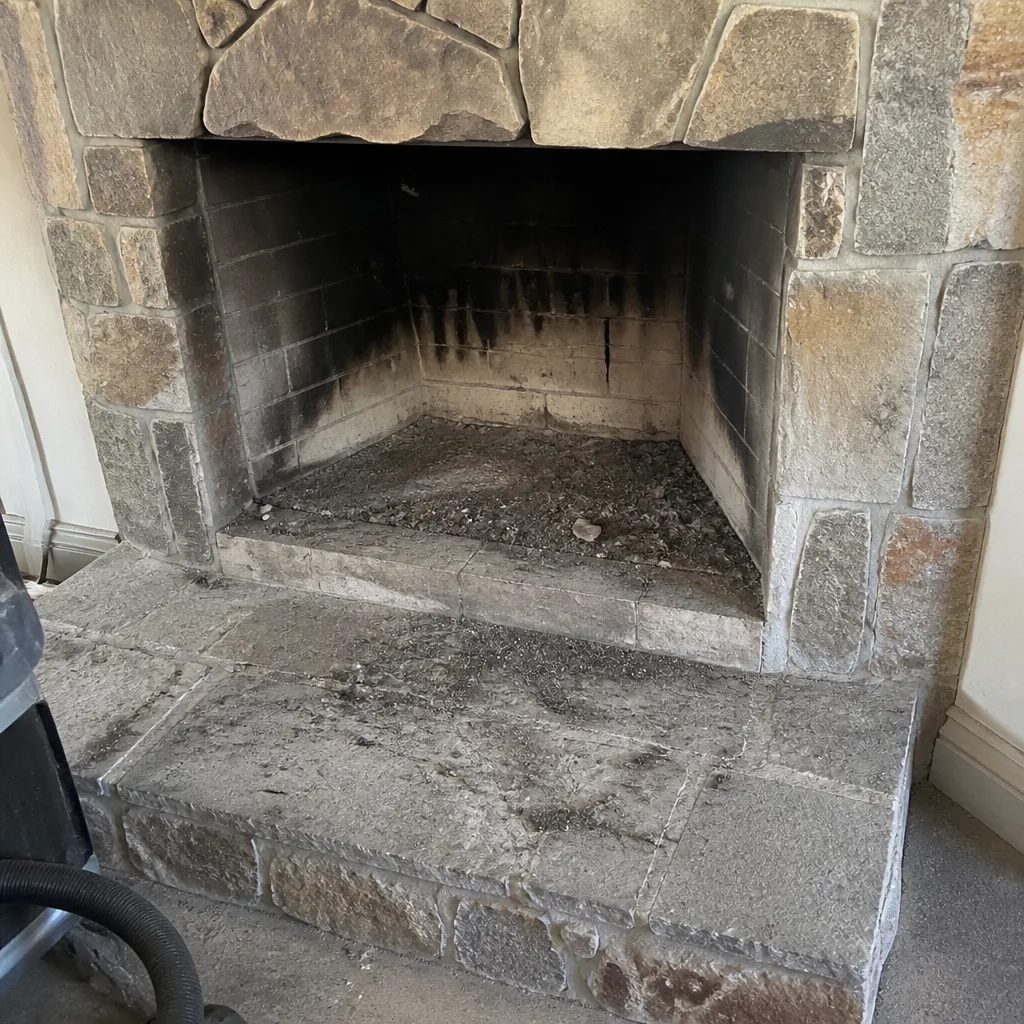
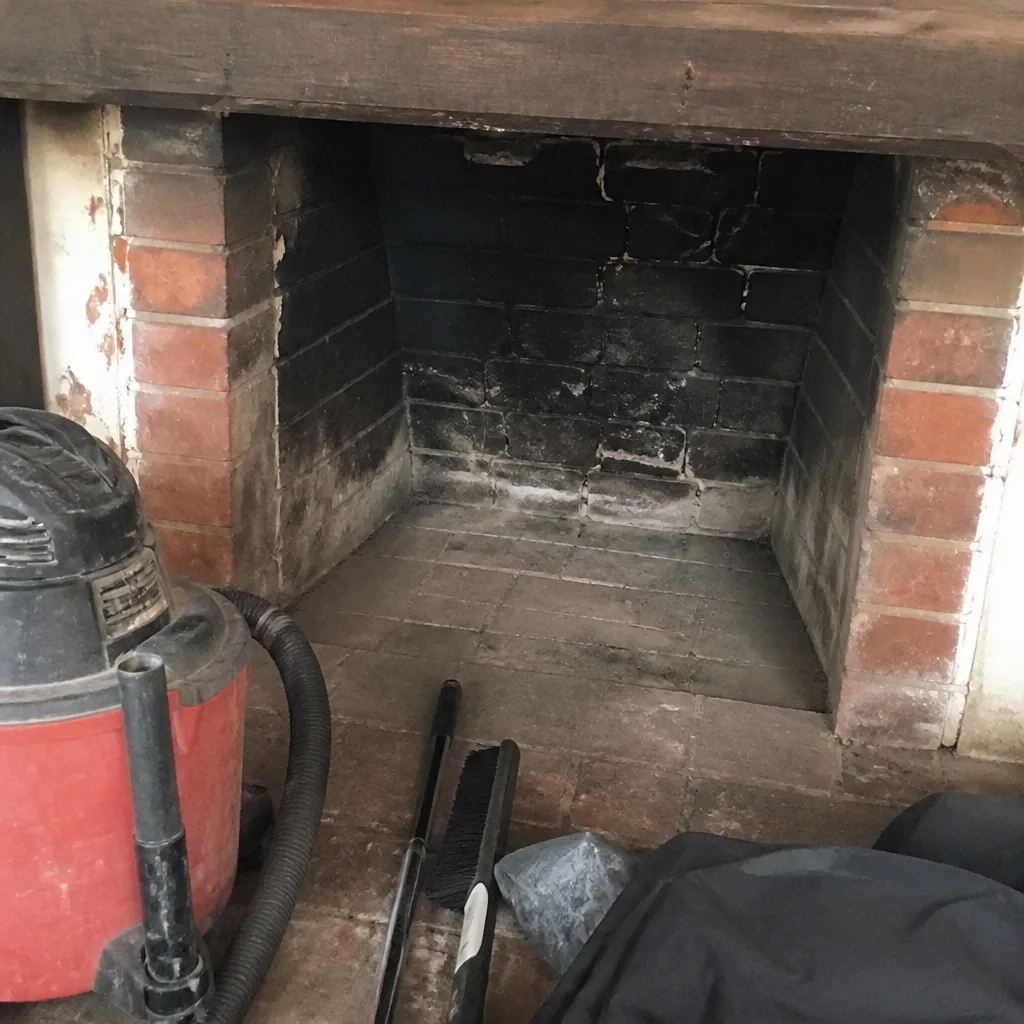 Before
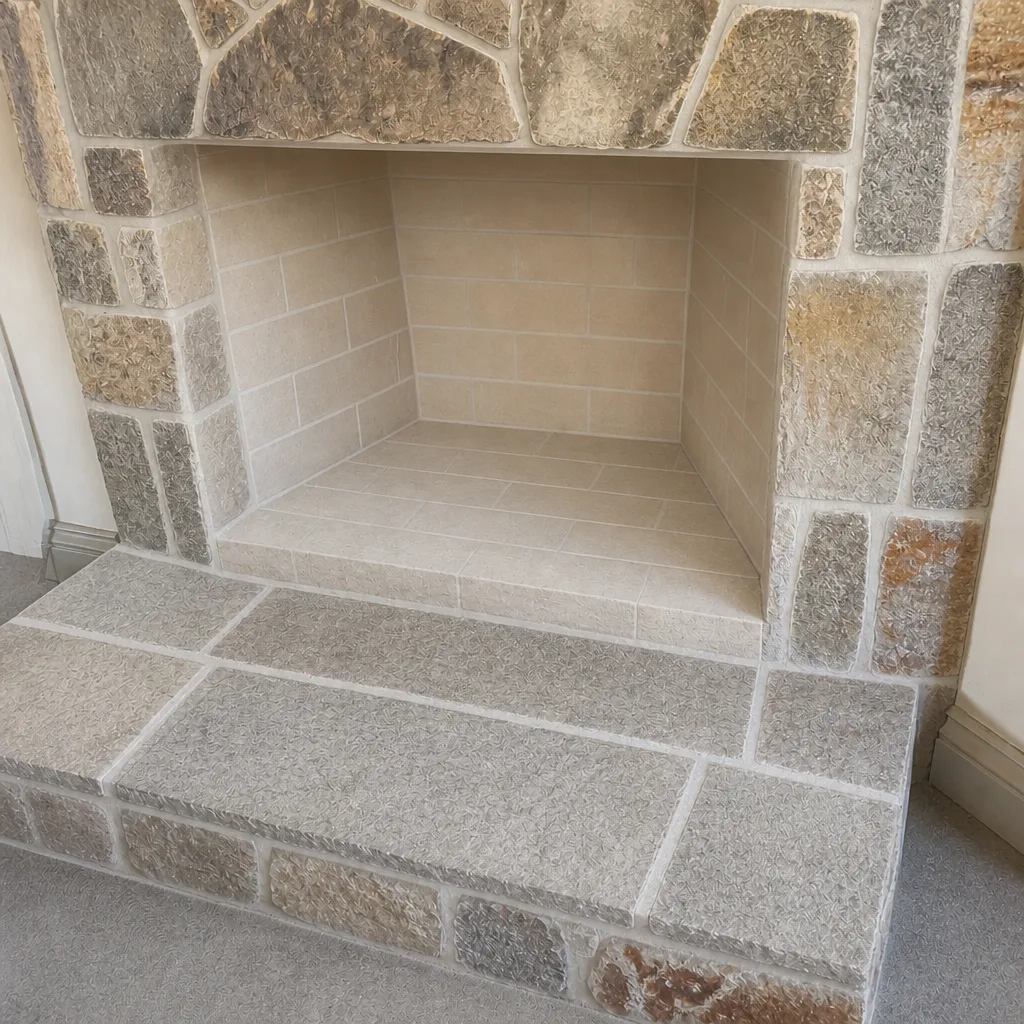
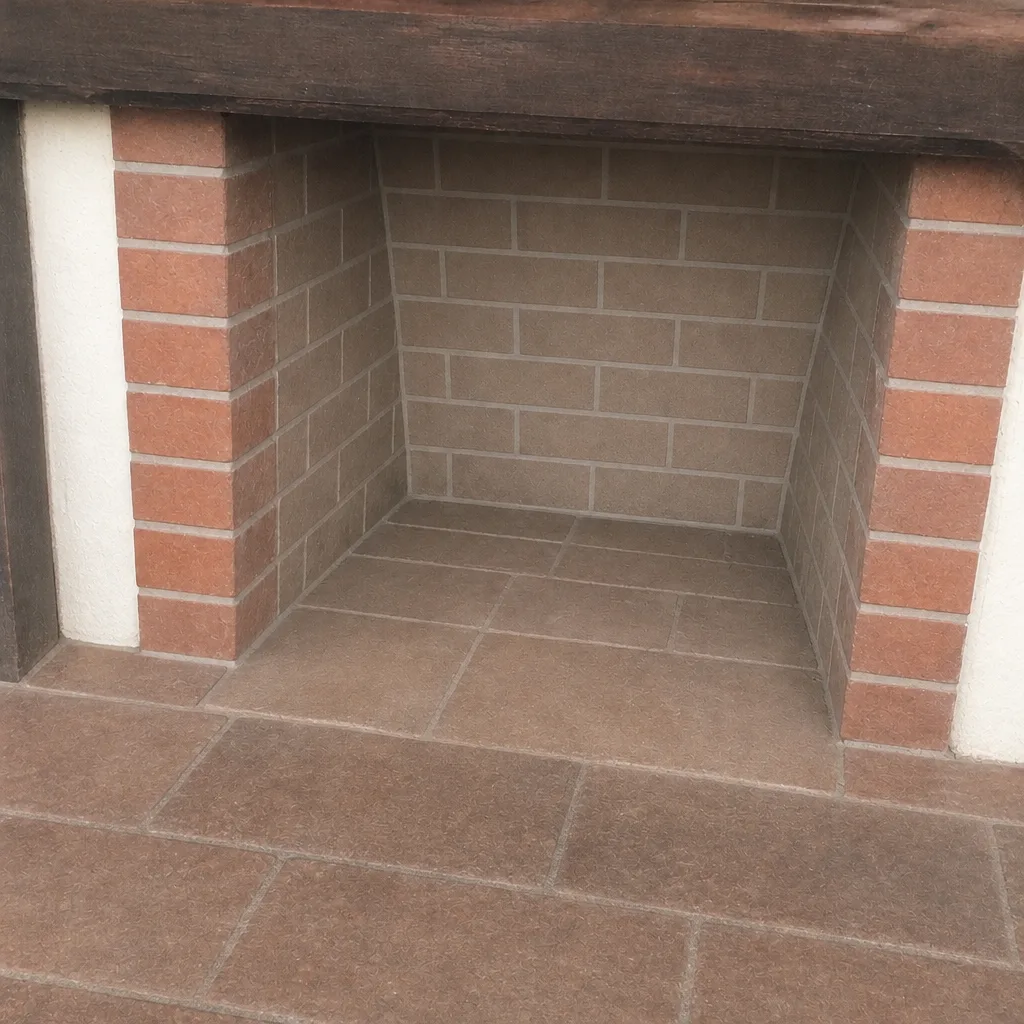 After
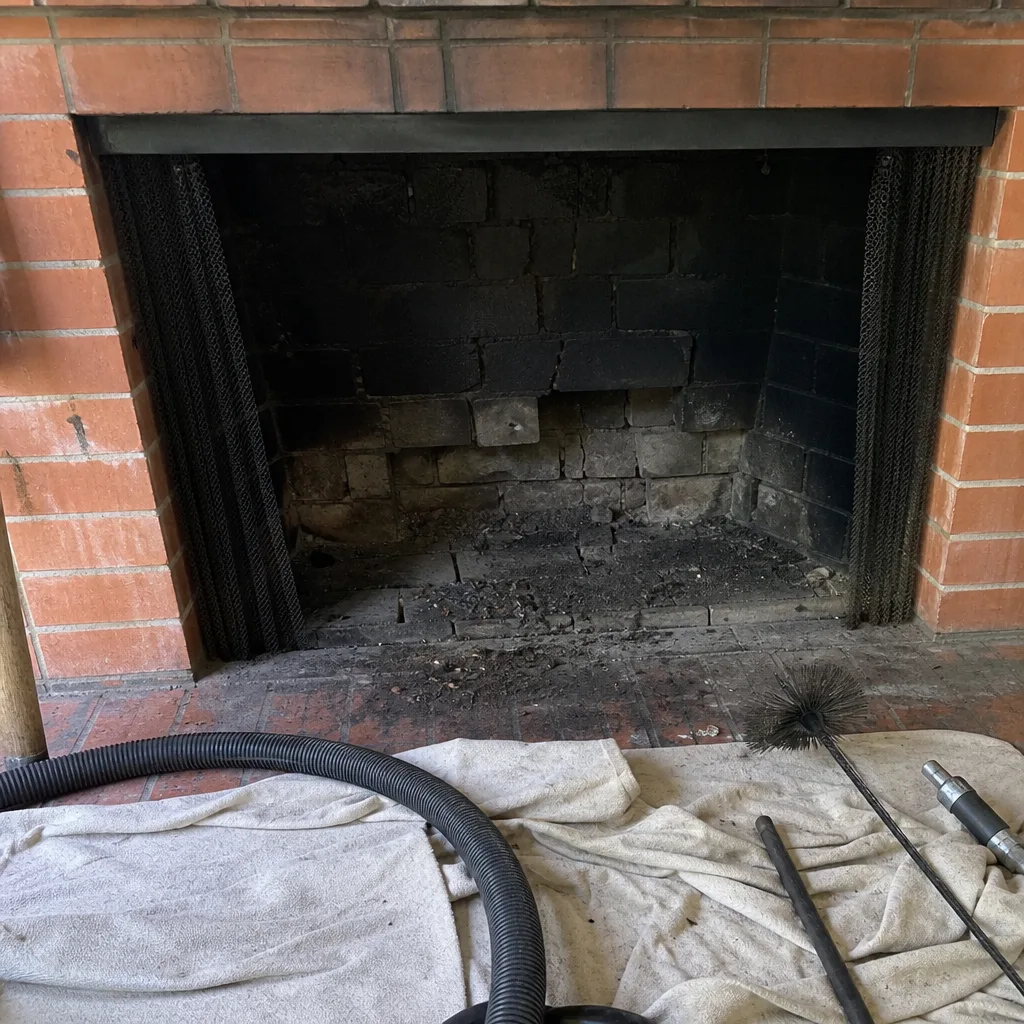 Before
 After
 Before
 After