
Last updated November 5, 2026
 Sweep & inspection
 Caps & crowns
 Flue relining
 Masonry repair
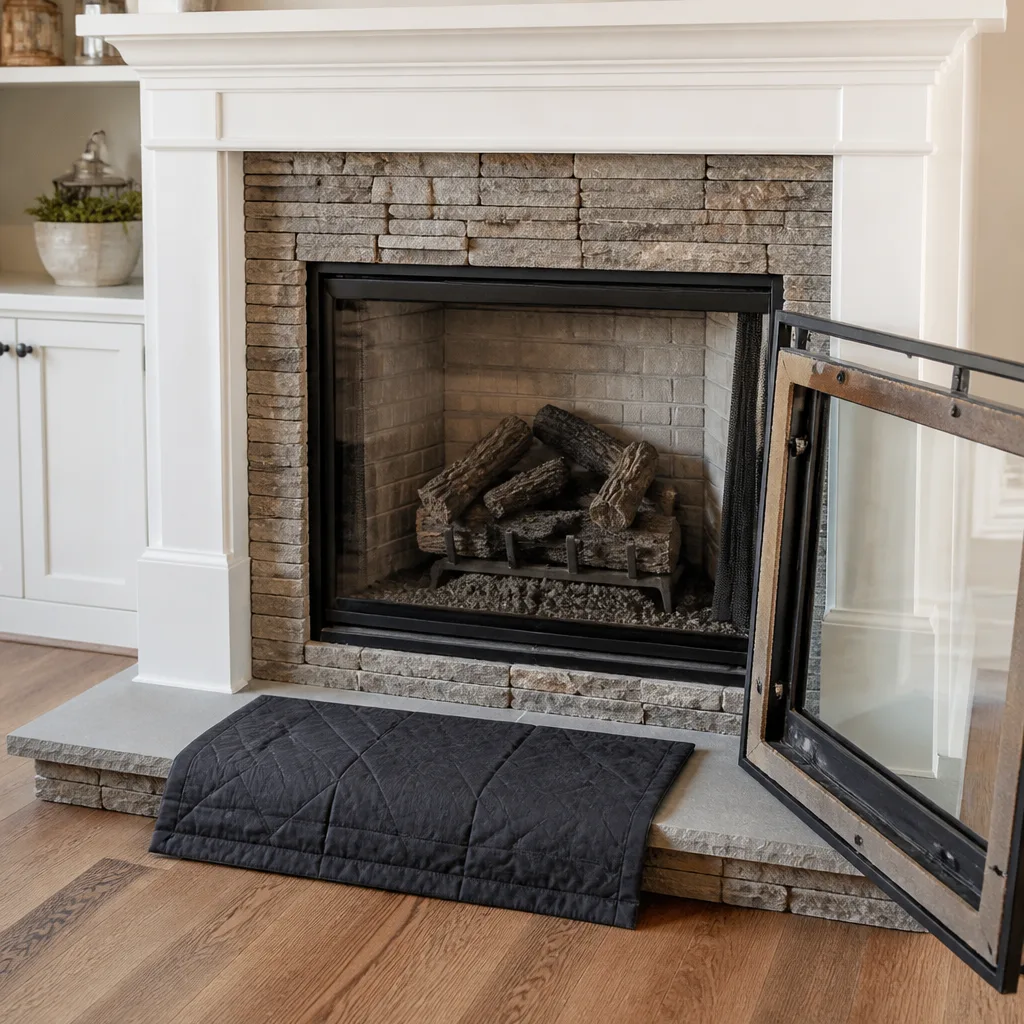 Gas fireplace service
Level 1 sweep and inspection to the NFPA 211 annual standard - flue, crown, cap, and flashing checked and photographed
Chimney sweep logs do not sweep chimneys. They loosen some creosote - which then falls where a brush and vacuum still have to collect it.
Chimney Sweep Maintenance Checklist for Lake View Terrace Homeowners
The most expensive chimney repairs we see in Southern California rarely trace back to heavy fireplace use. They trace back to deferred inspection. A homeowner in Lake View Terrace may use the fireplace for three months a year, then forget about it for nine. During those nine months, heat, dry air, and nesting animals do their work quietly. By the time a problem becomes visible, the fix is structural, not routine. This checklist is built around that reality: a short burning season, a long dry off-season, and the specific things every Lake View Terrace homeowner should inspect, document, and address before the next fire season begins.
Styles & brands we work with
- Sweep & inspection
- Caps & crowns
- Flue relining
- Masonry repair
- Gas fireplace service
Quick Answer
A chimney maintenance checklist for Lake View Terrace homeowners should include an annual professional chimney sweep, a visual inspection of the exterior masonry and cap each spring, monthly checks of the spark arrestor during fire season, and a yearly documentation of any cracks, staining, or efflorescence. Because Lake View Terrace sits in a high-fire-risk zone, the checklist also needs to include ember intrusion protection, which most national guides omit entirely. Homeowners can handle basic visual checks, but anything involving the flue interior, liner condition, or structural mortar requires a certified technician’s tools and training.
Table of Contents
- Why Lake View Terrace Needs Its Own Chimney Checklist
- The Seasonal Calendar: What to Do When
- Monthly Visual Checks You Can Do Yourself
- Wildfire Ember Intrusion: The Checklist Item Most Guides Miss
- How to Document Chimney Condition Year Over Year
- Why Your Dryer Vent Belongs on the Same Checklist
- Common Mistakes to Avoid
- When to Call a Professional
- Frequently Asked Questions
- The Bottom Line
Why Lake View Terrace Needs Its Own Chimney Checklist
Lake View Terrace sits in the northeastern San Fernando Valley, where summers are long, dry, and consistently hot. The hard rule for chimney care in this climate is different from what a homeowner in Minneapolis or Seattle would follow. There is no freeze-thaw cycle here, no ice dams, no frost depth to worry about. What we do have is heat that bakes the exterior masonry and a burning season that lasts from roughly November through February, sometimes shorter.
This pattern creates a specific maintenance rhythm. The chimney does its hard work for about four months, then sits idle for eight. During the idle months, rain occasionally hits the crown and soaks into any hairline cracks. Birds and squirrels build nests at the top. The dry Santa Ana winds in the fall may carry embers from wildfires in the surrounding hillsides. A maintenance checklist for Lake View Terrace has to account for all of this. The generic “sweep it every fall” advice does not, because it ignores the ember risk, the dry heat, and the long idle stretch when deterioration happens unseen.
What we have seen in our work across Lake View Terrace is that most fireplaces here are used intermittently, not daily. That is actually a good thing for creosote buildup, since creosote accumulates faster with heavy burning. But light use introduces its own problem: homeowners assume light use means no maintenance needed. A chimney that burns ten fires a year still gets animals inside it, still takes weather on the crown, and still sits in a wildfire-prone area. The checklist below addresses the full cycle, not just the weeks around Thanksgiving.
The Seasonal Calendar: What to Do When
This is the month-by-month breakdown we recommend for Lake View Terrace homeowners. The calendar follows the local climate, not a generic national schedule.
- September: Pre-season visual check. Walk around the exterior of the chimney. Look for cracks in the crown, gaps where the chimney meets the roofline, and any loose or lifted flashing. Check that the spark arrestor is intact and free of bird nests. This is also the month to schedule your professional sweep before the first fire.
- October: Professional inspection and sweep. Even if you burned only a few fires last year, schedule the sweep now. October in Lake View Terrace is dry and usually mild, which means the technician can work safely on the roof. This inspection should include a camera scan of the flue interior, which is the only reliable way to see hairline liner cracks that visible inspection misses.
- November through February: Monthly ember and spark checks. During the burning season, do a quick visual check of the spark arrestor and the chimney crown once a month. After any high-wind event, check again. The Shield Chimney Cleaning approach is built around seasonal readiness, and this monthly check takes under ten minutes.
- March: Post-season cleaning. Once the burning season ends, sweep the firebox and remove ash. A thin layer of ash left over the summer can absorb moisture and hold it against the firebrick, which accelerates deterioration in the dry heat. This is also the right time to schedule any masonry repairs identified during the winter.
- April: Rain and drainage check. After the last spring rains, inspect the chimney crown for water staining or efflorescence, which is a white powdery deposit that signals moisture moving through the masonry. In Lake View Terrace, rain is not constant, but when it comes, it exposes every crack quickly.
- May through August: Animal and debris monitoring. Check monthly for birds flying in and out of the chimney, twigs visible in the firebox, or droppings on the hearth. Nesting birds and squirrels are active in spring and early summer across the San Fernando Valley. A cap with a functioning spark arrestor screen is the primary defense.
Monthly Visual Checks You Can Do Yourself
There are items on any chimney checklist that a homeowner can handle without special equipment. These checks are not substitutes for a professional inspection, but they catch obvious problems early, which is half the battle. The key is doing them consistently, once a month, and making a habit of it.
What you can safely check from the ground or from inside the house:
- The exterior mortar joints. Look for crumbling mortar, loose bricks, or gaps that have widened since the last check. In Lake View Terrace’s dry heat, mortar loses moisture and can spall, which is when the surface flakes away in sheets. Early detection saves thousands in masonry repair.
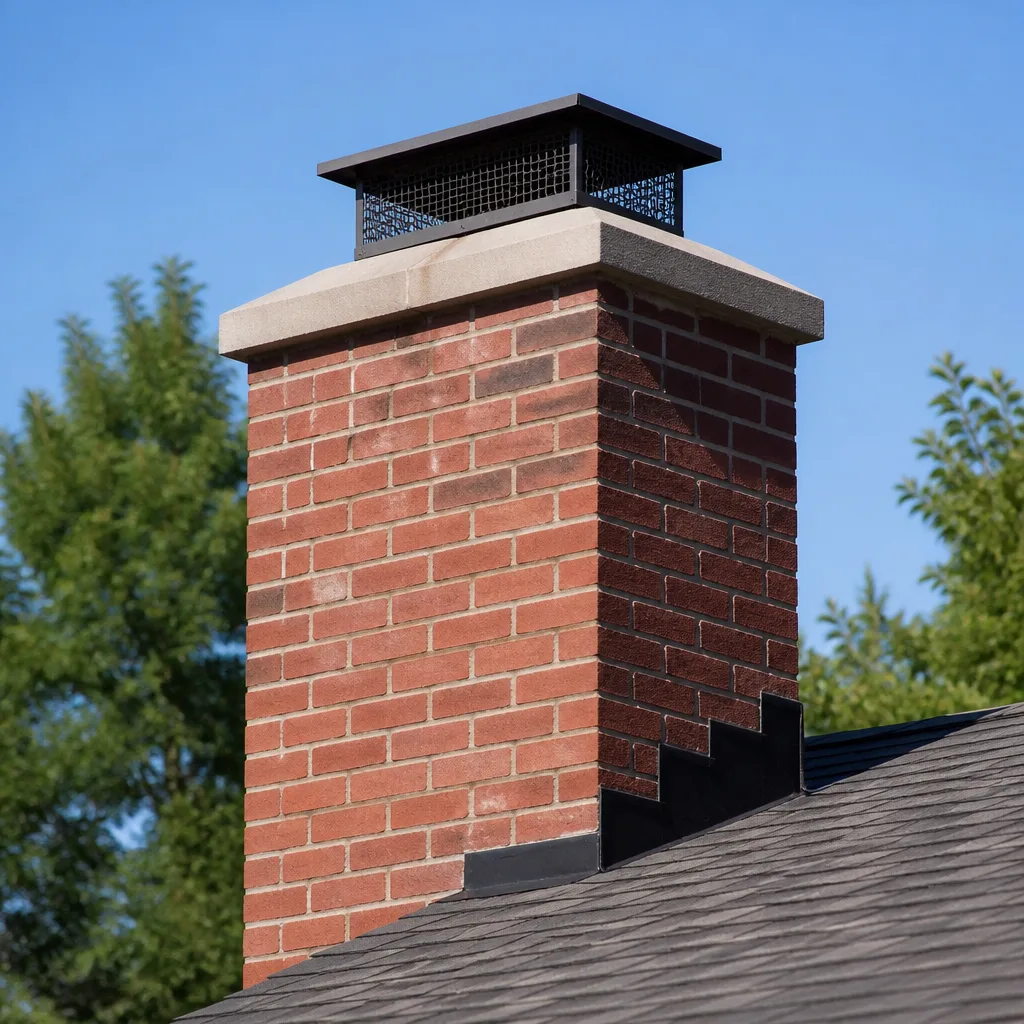
- The chimney crown. The crown is the concrete cap at the very top. If you can see it from the ground, check for cracks or pieces missing at the edges. Water intrusion through a cracked crown is the single most common cause of interior chimney damage in this climate.
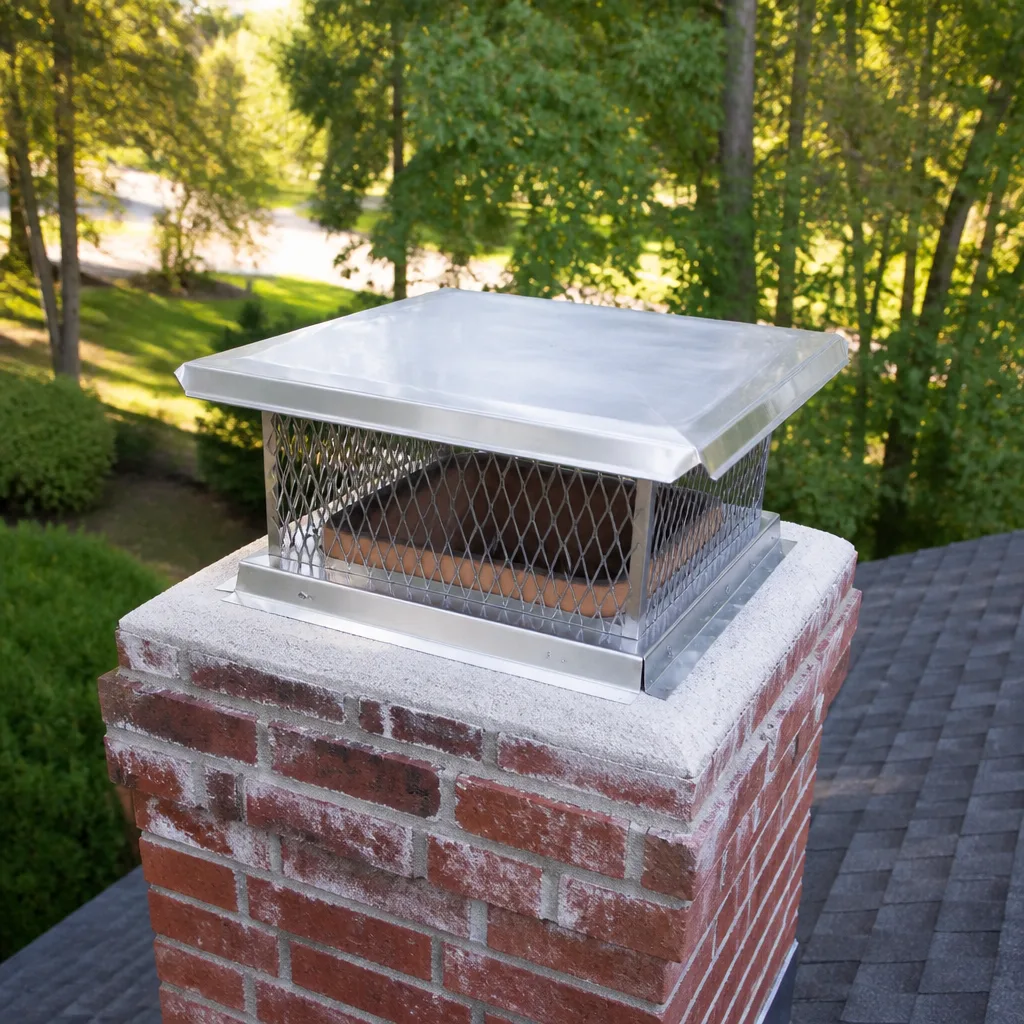
- The spark arrestor. This is the metal screen at the top of the flue. It needs to be intact, not rusted through, and not clogged with nesting material. A torn spark arrestor is a direct ember intrusion risk during wildfire season.
- The hearth and firebox. Look for loose firebrick, gaps in the mortar, or a buildup of ash that is more than a couple of inches deep. Also note any unusual staining on the firebox walls, which can indicate moisture or a draft problem.
- The damper. Open and close it fully. It should move smoothly and seal completely. A damper that sticks or does not close tight lets conditioned air escape during hot Valley summers and lets embers drift into the house during winter.
- Dryer vent exhaust. Walk outside while the dryer is running and confirm the airflow is strong and steady. Weak airflow signals a lint accumulation inside the vent, which is a different hazard from the chimney but shares the same maintenance principle: inspect before it fails.
What you should not attempt to check yourself is anything involving the flue interior, the liner, or the structural integrity of the masonry above the roofline. Climbing onto a roof without proper equipment is dangerous, and the interior of a flue simply cannot be assessed without a camera scope. That is where a certified technician’s role begins.
Wildfire Ember Intrusion: The Checklist Item Most Guides Miss
Lake View Terrace sits in a High Fire Hazard Severity Zone, which is the official designation for areas where wildfire risk is elevated. The hills to the north and east, including the Hansen Dam area, experience dry brush conditions through much of the year. When the Santa Ana winds pick up in September and October, embers can travel far ahead of the fire line. A single ember entering a chimney with a damaged spark arrestor can ignite creosote or debris inside the flue, turning a distant wildfire into a house fire.
This is why the checklist for Lake View Terrace must include items that a chimney guide written for Ohio or Texas would never mention. Here is what to add:
- Verify the spark arrestor mesh is 3/4-inch or smaller. Anything larger lets embers through. If the mesh has rusted or torn, replace it before fire season.
- Confirm the spark arrestor covers the entire flue opening. Gaps at the edges defeat the purpose. A loose or shifted cap is a common finding after strong winds.
- Check for combustible debris on the roof and in gutters near the chimney. Dry leaves, pine needles, and twigs within ten feet of the chimney become an ignition source if embers land there.
- Inspect the chimney cap for structural soundness. A cap that is cracked or missing lets not only embers in but also rain and animals. The cap and the spark arrestor work together, and both need to be intact.
- Consider a screened top-top damper. If the chimney currently has only a throat damper, a top-sealing damper with an integrated screen provides an additional ember barrier at the top of the flue.
Most national chimney maintenance checklists simply say “check the cap.” For a homeowner in Lake View Terrace, that is not detailed enough. The difference between a well-maintained chimney and one that invites a disaster during a Santa Ana wind event is the integrity of the screen mesh, the seal of the cap, and the clearance of combustible material around the structure.
How to Document Chimney Condition Year Over Year
The most useful habit we can recommend to any Lake View Terrace homeowner is simple: photograph the chimney every year. A smartphone photo taken from the same spot each September creates a record that shows change over time. Cracks widen. Efflorescence spreads. Staining darkens. None of these changes are visible week to week, but over three or four years they tell a clear story.
Here is a documentation method that works:
- Choose two or three consistent vantage points. One from the front yard, one from the side yard, and one close-up of the crown if visible from an upstairs window or a neighboring vantage point. Take the photos from the same positions every year.
- Photograph the firebox interior. Stand in front of the firebox and take a clear, well-lit photo of the back wall, side walls, and floor. Note any cracks or spalling in a dated note on the photo.
- Photograph the damper. Open the damper and take a photo looking up. This will show rust, creosote accumulation, or nesting material visible from below.
- Keep a dated log. Either a paper log or a note on your phone. Record the date of each professional sweep, any repairs made, any observations from your monthly checks, and any weather events worth noting, such as heavy rain or high wind.
- Compare photos before each burning season. The comparison is the point. A crack that has widened by a quarter inch in a year is a repair priority. A stain that has not changed in three years is a non-issue.
This documentation costs nothing and takes less than fifteen minutes a year. What it does is give you evidence before spending money on repairs. When a technician identifies a problem, you can look back through your photos and understand whether it is new, worsening, or stable. For our team, a homeowner who keeps a photo record makes our inspection faster and makes the conversation about recommended repairs more concrete, because we can point to the visual evidence together.
Why Your Dryer Vent Belongs on the Same Checklist
Most chimney checklists stop at the chimney. That is a mistake. A dryer vent is a venting system with the same core maintenance principle: a narrow passage that moves hot air and combustible material, and when it gets blocked, it becomes a fire hazard. In Lake View Terrace, where the dry air already makes lint and dust more prone to ignition, the dryer vent deserves a place on the same annual schedule.
Our company handles dryer vent cleaning alongside chimney sweeping and repair because the same homeowners have both systems, and the same annual visit can address both. Here is what belongs on the dryer vent checklist:
- Annual cleaning. Lint accumulates inside the vent even with a clean lint trap. One cleaning per year is the baseline, and homes with long vent runs or multiple adults doing laundry may need it more often.
- Check the exterior vent flap monthly. The flap should open fully when the dryer runs and close when it stops. A stuck flap is a bird, rodent, or lint signal.
- Monitor dry time. If a load that used to take 40 minutes now takes 60, the vent is obstructed. This is the earliest and most reliable warning sign, and it appears long before any visible buildup at the exterior.
- Verify the vent material. Foil or plastic accordion-style duct is a fire risk and does not meet current standards. Rigid metal ducting is the standard, and if the home still has the old style, replacement is a priority.
- Check the connection at the dryer. The clamp at the back of the dryer should be tight and sealed. Gaps let lint escape into the laundry area and reduce vent airflow.
Including the dryer vent on the same maintenance calendar makes practical sense. Both systems move hot air out of the house. Both accumulate combustible material. Both are hidden from view and easy to ignore. A Lake View Terrace homeowner who sweeps the chimney but ignores the dryer vent has fixed one fire risk and left another running.
Common Mistakes to Avoid
- Assuming light fireplace use means no maintenance needed. In Lake View Terrace, a fireplace that burns ten times a year still collects animal nests, absorbs rain through cracks, and sits exposed to embers during wildfire season. The maintenance schedule does not scale down with usage.
- Skipping the camera inspection during a sweep. A standard brush sweep removes creosote but does not reveal hairline liner cracks or damaged mortar joints. A camera scan is the only way to see the flue interior, and skipping it to save money leaves structural problems undetected.
- Waiting until October to schedule the annual sweep. Every chimney company in the San Fernando Valley books up in October. By scheduling in September, you get the inspection done before the rush and before the first fire, without competing for the technician’s calendar.
- Ignoring efflorescence on the exterior masonry. The white chalky deposit is a moisture signal. It means water is moving through the masonry and evaporating at the surface. In Lake View Terrace’s dry climate, efflorescence develops slowly over years, but it indicates a leakage path that will eventually damage the structure.
- Using the fireplace while the spark arrestor is damaged. During Santa Ana wind season, a torn or rusted spark arrestor is an open invitation for embers to enter the flue. Replacing a spark arrestor is inexpensive compared to the risk of a chimney fire.
- Neglecting the dryer vent because it is not a chimney. Dryer vents cause structure fires too, and lint ignites easily in dry air. The same annual call that handles the chimney can address the dryer vent, and homeowners who combine both save time and reduce their overall fire exposure.
- Attempting to inspect the flue from the rooftop without training. Getting on a roof with no safety equipment is how falls happen. The flue interior is not visible from above without a camera, so the DIY inspection yields little information anyway. Let a trained technician handle it.
When to Call a Professional
Certain findings on a maintenance checklist mean it is time to pick up the phone. If you see crumbling or missing mortar on the crown, a white powdery residue spreading across the bricks, a damaged spark arrestor, or animal nesting material visible at the top of the flue, schedule an inspection. If you smell smoke inside the house after a fire has been burning for ten minutes, the draft is not working correctly and the flue needs to be checked. If the dryer vent shows weak airflow even after the lint trap is cleaned, the vent needs a professional cleaning. Any of these conditions warrants a call, because each one represents a system working against you rather than for you. Shield Chimney Cleaning offers free estimates in Lake View Terrace. Call (833) 593-4561. We answer 24/7. Fast dispatch from 7am to 7pm, Sunday through Friday.
Frequently Asked Questions
A chimney in Lake View Terrace should be swept once a year, ideally before the burning season starts in late October or early November. Even with light use, an annual sweep removes creosote, clears animal nests, and includes a visual inspection of the crown, cap, and spark arrestor. If a fireplace is used heavily, meaning more than 50 fires per season, a second sweep in the spring is a reasonable precaution.
The cost of a chimney sweep in Lake View Terrace depends on the condition of the flue, the height of the roof, and whether a camera inspection is included. The written estimate sets the final price, and the estimate is free. Call (833) 593-4561 for an exact quote based on your chimney’s specifics. We answer 24/7. Fast dispatch from 7am to 7pm, Sunday through Friday.
You can inspect the exterior masonry, the firebox, the damper, and the spark arrestor yourself from the ground. What you cannot inspect safely or accurately is the flue interior, the liner, or the structural condition of the upper chimney, which requires roof access and a camera scope. Monthly visual checks are useful, but they do not replace an annual professional inspection.
A spark arrestor is a metal mesh screen installed at the top of the flue inside the chimney cap. It prevents embers from escaping the chimney during normal use and, in Lake View Terrace, it prevents outside embers from entering the flue during wildfire conditions. The mesh must be intact and no larger than 3/4 inch to be effective.
Yes. The lint trap catches most lint but not all of it. Fine particles pass through the trap and accumulate inside the dryer vent duct, where they harden and restrict airflow over time. An annual dryer vent cleaning, done with a rotating brush and a high-powered vacuum, removes the embedded buildup that a lint trap cannot catch.
If you skip the annual sweep, creosote accumulates, animals nest, water intrusion goes unnoticed, and the spark arrestor may fail without anyone seeing it. The chimney still works until it does not, and the moment it does not is usually a chimney fire, a smoke-filled house, or a water leak that has already damaged the interior masonry. The maintenance is designed to find problems when they are small and inexpensive, not after they have become structural. Call (833) 593-4561 for a free estimate. We answer 24/7.
The Bottom Line
The chimney maintenance checklist for Lake View Terrace is not a generic fall task. It is a year-round rhythm calibrated to a short burning season, a long dry off-season, a mild but real rain pattern, and a wildfire risk that national guides do not address. Homeowners who follow a monthly visual check routine, document their chimney with photos, include the dryer vent on the same schedule, and prioritize ember protection will catch most problems early. The remaining part, the flue interior and the structural upper chimney, belongs to a trained professional with a camera scope. Get the sweep scheduled before the October rush, and you will go into the burning season with a clean system and a clear record of its condition.
Written by the team at Shield Chimney Cleaning, serving Lake View Terrace since 2013.
See the difference
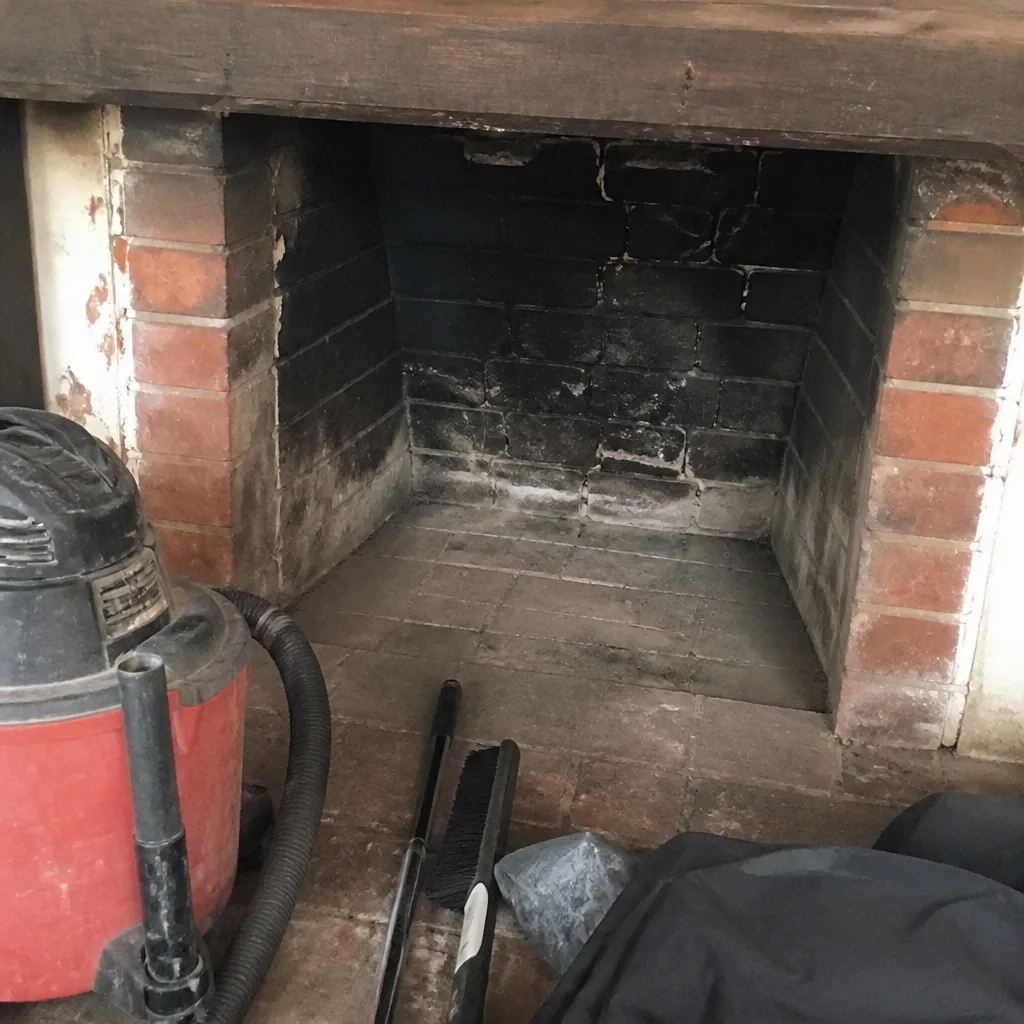 Before
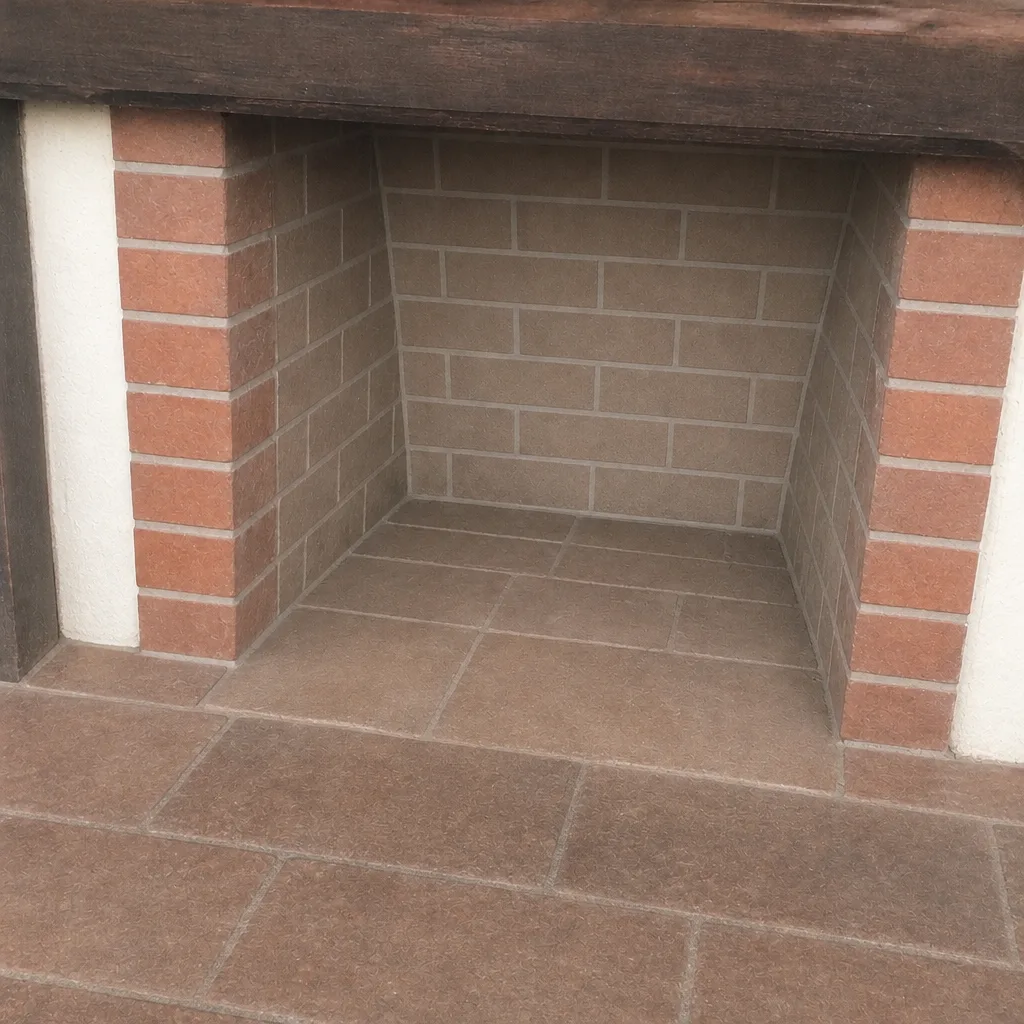 After
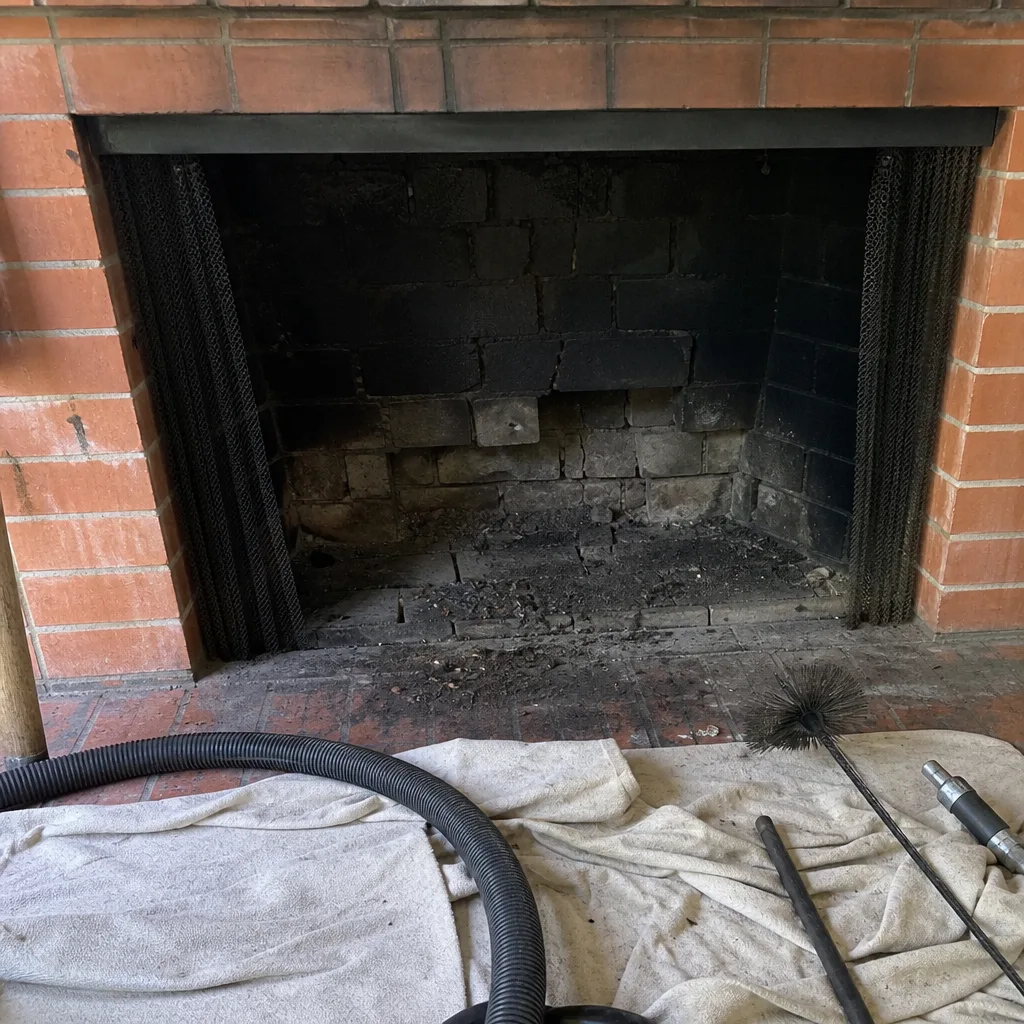 Before
 After
 Before
 After